
Contingent Offer Oregon: Buy While You Sell Your Home

Contingent Offers in Oregon: Can You Buy and Sell at the Same Time?
Yes — you can absolutely make an offer contingent on selling your current home in Oregon. Whether a seller will accept it is a different question, and the honest answer is: it depends on where the market is and how the offer is structured. Here's what you need to know before you start your search.
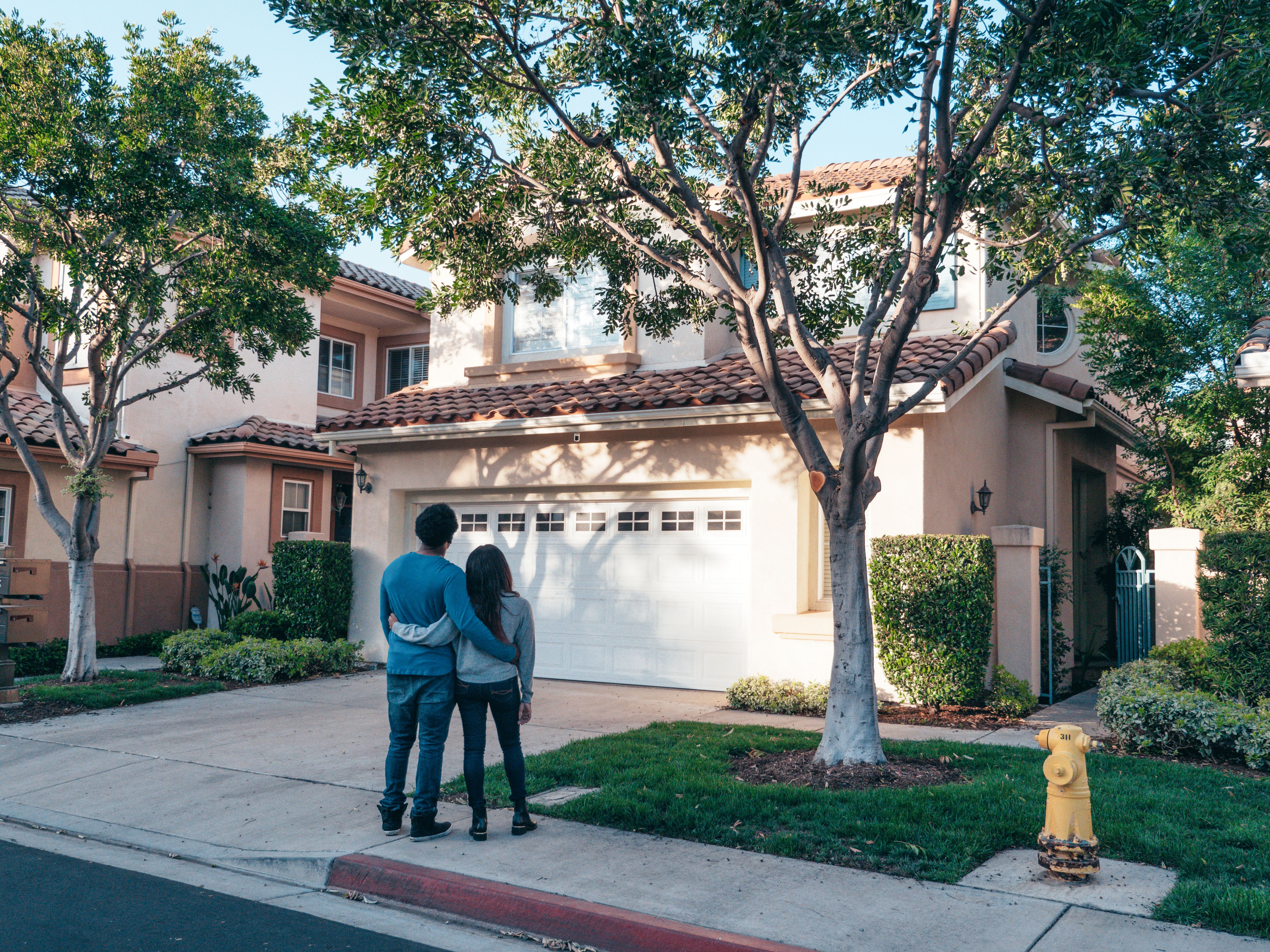
What a Sale Contingency Actually Means
A sale contingency means your purchase offer is conditional on selling your existing home first. If your home doesn't sell within the agreed timeframe, you can exit the contract and get your earnest money back. It's a legitimate, widely used tool — not some edge-case workaround.
In Oregon, this arrangement is formalized through OREF 083, the Buyer's Contingent Right to Purchase Addendum. This is the standard form Oregon Realtors use to attach a sale contingency to the OREF 001 Residential Sale Agreement. It spells out the timeline, what happens if the seller receives another offer, and how long the buyer has to respond if that occurs.
The form also gives the seller some protection. If a non-contingent offer comes in while yours is accepted, the seller can issue a "notice to perform" — you'll typically have 72 hours (or whatever the form specifies) to either remove the contingency and proceed without the condition, or let the contract go. That's the mechanism that makes sellers more willing to say yes in the first place, because they're not completely locked out of other opportunities.
When Sellers Accept Contingent Offers — and When They Don't
In a hot seller's market where multiple offers are common and well-priced homes are receiving competing bids within days, a contingent offer is often the weakest card you can play. A seller staring at a clean cash offer and your contingent offer isn't likely to gamble on whether your home sells. That's just the reality.
The situation in 2026 is more nuanced. Oregon's statewide inventory has risen meaningfully — active listings across the state were around 33,211 as of mid-2026, up significantly year-over-year (Realtor.com data), and the statewide median days on market is running around 52 days. That's a more balanced environment than the frenzied conditions of 2021–2022. In a balanced market, sellers are generally more open to contingent offers because they're not fielding four other competing bids on day two.
South Clackamas County cities like Canby and Oregon City are a bit different — inventory is tighter and move-in-ready homes at fair prices still move quickly. But even here, there's more room to negotiate than there was two years ago. The key is how your offer is packaged: your price, your earnest money, your closing timeline, and how far along you are on your own home sale.
The closer your current home is to sold, the easier the conversation. A contingent offer where your home is already on the market, under contract, or even in escrow is far more compelling than one where you haven't listed yet. Sellers and their agents are evaluating not just whether you'll perform — but when.
The Oregon Process: OREF 083 in Practice
When you submit an offer using OREF 083, here's what the addendum typically addresses:
The contingency timeline. You and the seller agree on a deadline by which your home must be in contract (not necessarily closed). This is negotiable — common windows run 30 to 60 days depending on your situation.
The notice-to-perform clause. If the seller receives a competing offer during your contingency period, they issue a written notice. You then have the timeframe specified in the addendum — often 72 hours — to decide whether to remove the contingency and proceed with your purchase regardless of whether your home has sold, or to release the contract. If you remove it, you're committing to buy even if your home falls through.
Earnest money handling. If you can't remove the contingency in time, earnest money is typically returned to you in full. The contract unwinds cleanly.
Your agent should walk you through the addendum before you make any offer — it has specific blanks that matter a lot, including the exact contingency period and response timeframe. These aren't boilerplate details; they're the terms you're negotiating.
Alternatives If a Sale Contingency Isn't Viable
Sometimes the home you want is in a market where sellers won't consider OREF 083, or you need more flexibility. A few other paths worth knowing about:
Bridge loan. A short-term loan secured by the equity in your current home, designed to give you the funds to close on the new home while you prepare your existing one for sale. Rates are higher than standard mortgages — typically in the high-7% to 9% range for bridge products — and terms run six months to a year. But for buyers with substantial equity and a solid exit plan, it removes the contingency entirely. Oregon-based lenders specializing in bridge products can walk you through whether your equity position makes this realistic.
HELOC on your current home. If you have significant equity, a home equity line of credit can provide liquidity for a down payment on the new home before your current one sells. Oregon HELOCs typically take three to five weeks to fund from application. The trade-off: you're carrying two payments until the first home closes, and HELOC rates are variable. This works better for buyers whose current home will sell quickly and who can float both payments temporarily.
Sell first, move temporarily. The least elegant option but the cleanest financially. You sell your home, rent short-term or negotiate a post-closing occupancy agreement with your buyer, and shop without the contingency weight. You're a non-contingent buyer with proceeds in hand, which is a genuinely strong position.
Post-closing occupancy. Some buyers negotiate a rent-back agreement on their current sale — selling to a buyer who agrees to let you stay for 30 to 60 days after closing. This gives you time to close on the new purchase. Oregon real estate contracts can accommodate this through the standard occupancy addendum.
None of these paths is automatically better. It comes down to your equity position, how competitive the home you're targeting is, your risk tolerance for double payments, and your timeline.
What This Means for You in the Current Market
Oregon's 2026 market is more forgiving for contingent buyers than it was during the inventory-scarce years — but it's not a buyer's market either. Statewide, median sold prices are holding around $524,000 (Realtor.com mid-2026), and while days on market have stretched, desirable homes in established South Clackamas County communities still attract serious interest.
If you're considering a contingent purchase, here's how to put yourself in the best position:
Get your own home sale-ready before you make an offer. A seller evaluating your contingency wants to believe your home will sell. Photos taken, minor repairs done, and ideally a pre-listing showing or pricing conversation with your agent — these things signal seriousness.
Know your equity number precisely. If your home sells at the price you expect, what does your net look like after paying off your mortgage? That net funds your down payment and closing costs. Know this number precisely, not roughly.
Think through your timing needs. Coordinating two closings in Oregon requires precision — title companies manage this regularly, but it works best when the timelines are realistic and your lender is looped in early.
Talk to a lender before writing any offer. Whether you plan to use the sale contingency or explore a bridge loan, your lender needs to pre-underwrite your scenario. Some loan programs won't allow a sale contingency; others have specific rules about how the contingent home's equity factors into your qualification.
Jennifer Schurter serves buyers, sellers, and investors throughout South Clackamas County and the North Willamette Valley — including Canby, Oregon City, Wilsonville, Aurora, Hubbard, Molalla, Woodburn, Newberg, Sherwood, Tualatin, West Linn, Lake Oswego, and the greater Portland metro south. Her goal is simple: to be the most knowledgeable, most responsive, and most genuinely helpful real estate agent in the area — every single time. Jennifer is a licensed Oregon real estate broker with Real Broker LLC.
Ready to talk through your next move? Schedule a time with Jennifer here. No pressure, no pitch — just a real conversation.
Categories
Recent Posts









“I see my job as a Real Estate Advisor is to educate consumers about the realities of the Real Estate market of today. If you're ready to learn more about what it could mean for you to buy, sell, or invest in Real Estate, let's connect!"