
Solar Panels and Home Value in Oregon: A Seller's Guide

How Solar Panels Affect a Home's Value and Sale in Oregon
Solar panels can add value when you sell an Oregon home, but only if you own them outright. If the system is leased or tied to a power purchase agreement (PPA), the panels aren't really part of the house. They're a contract the buyer has to agree to take on, and that can slow the sale down or change who is willing to buy. Owned or leased is the first question, and most of what follows depends on the answer.
Here's how it plays out in real transactions around the Willamette Valley, and what to line up before you list.
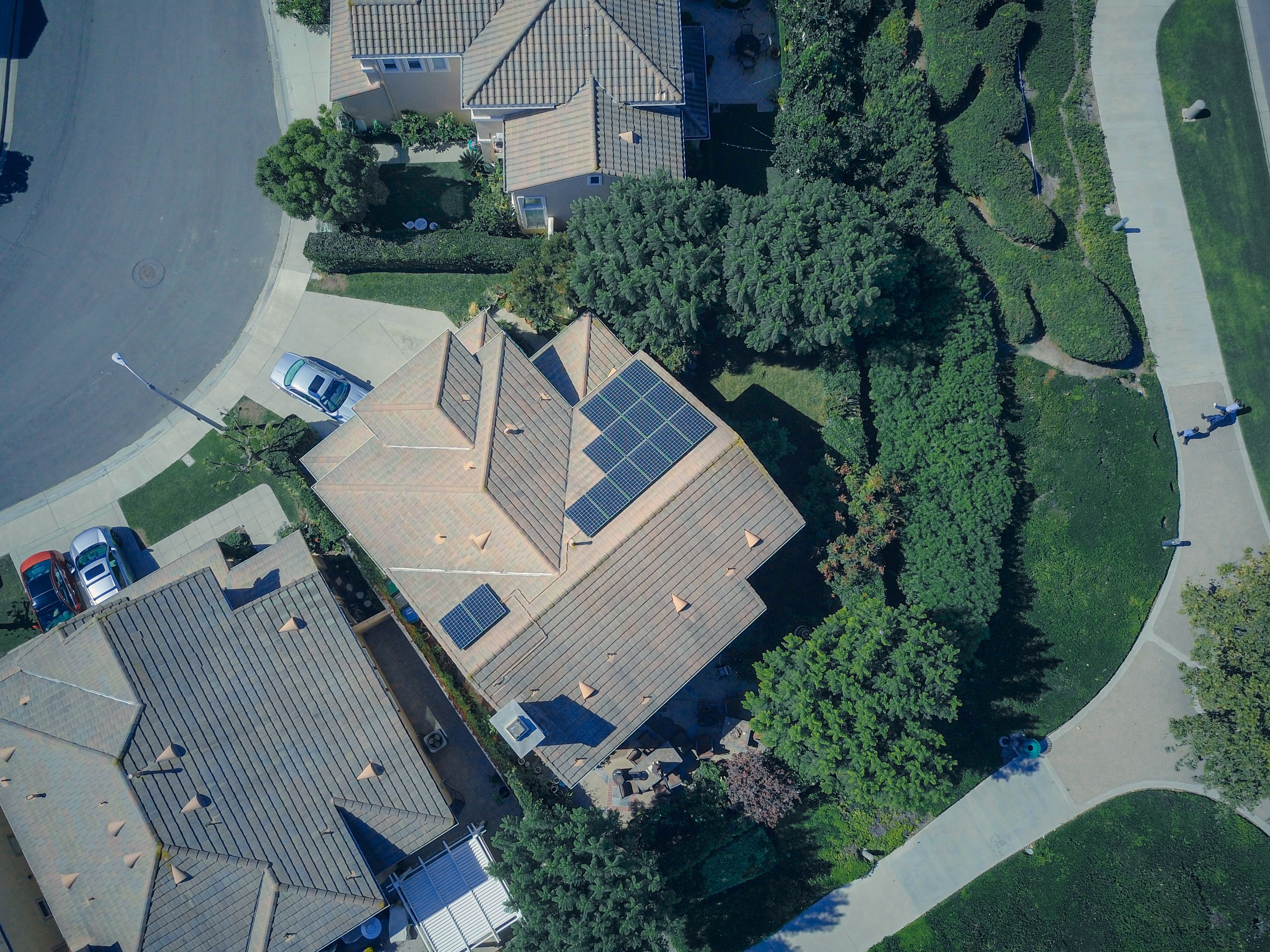
Owned Solar: Where the Value Actually Shows Up
When you own the system, whether you paid cash or financed it with a loan that gets paid off at closing, the panels are treated like any other permanent improvement. Research from Lawrence Berkeley National Laboratory has found that buyers pay a premium for homes with owned solar, and Zillow's analysis of listings has pointed the same direction. The size of that premium changes with location, system size, and local electricity rates. It usually lands in the low single digits as a percentage of the sale price, not the full cost of the install.
That second part matters. A seller who paid $25,000 for a system shouldn't expect $25,000 back. Buyers pay for what the panels do: lower power bills, predictable costs, and less exposure to rate increases. They don't pay for what you spent. A 10-year-old system that's out of warranty and sits on a roof that needs replacing will get far less credit than a 3-year-old system with a transferable warranty and a clean production history.
Oregon also offers a quieter benefit. Under ORS 307.175, a qualifying alternative energy system is exempt from property taxes, so the added market value of the panels generally isn't taxed. Buyers weighing their total monthly cost like hearing that, and it's worth putting in your listing materials.
Leased Solar and PPAs: Where Sales Get Complicated
A leased system or PPA belongs to the solar company. You're paying for the equipment, or for the power it makes, under a contract that often runs 20 to 25 years. When you sell, you have three realistic options: the buyer takes over the lease, you buy the system out, or you pay to have it removed. Removal is rare and expensive.
The buyer taking over sounds simple, but the buyer has to qualify with the leasing company, usually with a credit review, and agree to the remaining payments. Some buyers don't want a monthly obligation they didn't negotiate. Their lender will count that payment toward debt-to-income, which can cut into what they qualify for, especially with rates where they are now. Appraisers also generally give little or no value to equipment the homeowner doesn't own.
There's a paperwork problem, too. Many solar companies record a UCC fixture filing against the property to protect their ownership of the equipment. That filing shows up in the title search, and the title company will want it handled before closing. If nobody spots it until the last week of escrow, closing can be delayed while everyone waits on the solar company. It's one of the more common last-minute surprises we see.
How Appraisers and Buyers Look at Solar
Appraisers need comparable sales to support a value, and homes with owned solar are still a small share of sales in most South Clackamas County and North Willamette Valley neighborhoods. When there aren't enough solar comps, some appraisers fall back on an income approach that estimates the value of the system's future energy savings. Others give it modest credit, or none. You can help by giving the appraiser real numbers instead of leaving them to guess.
The Appraisal Institute's Residential Green and Energy Efficient Addendum is built for exactly this. It records system size, age, ownership, production estimates, and warranty terms in a format appraisers recognize. Sellers who fill it out before listing, and give it to the listing agent to share with the buyer's lender, tend to get more consistent appraisal results.
Buyers pay attention to the practical details: How old is the roof under the panels? What does the monthly bill look like? Is the inverter still under warranty? Who do they call if something stops working? A buyer who gets clear answers right away sees the panels as a feature. A buyer who can't get answers starts to see a risk.
What's Happening in the Oregon Market Right Now
Selling conditions set the stage for all of this. According to Redfin data, Oregon's statewide median sale price was $523,118 in July 2026, up 1.6% from a year earlier, and the number of homes sold was up 3.5% year over year. Prices are steady, not surging, so buyers are comparing homes closely and features with a real, measurable benefit get noticed.
Financing costs matter too. Freddie Mac's Primary Mortgage Market Survey put the average 30-year fixed rate at 7.03% as of September 24, 2026, up from 6.30% a year earlier. When the mortgage payment is high, lower utility bills from owned solar help with the monthly budget. For the same reason, a lease payment tacked onto a mortgage can look worse to a buyer, and to that buyer's lender, than it would have a year ago.
The incentive picture has changed as well. The federal residential solar tax credit has ended, and the Oregon Department of Energy reports that the Oregon Solar + Storage Rebate Program was fully reserved soon after it reopened in June 2026. New systems now cost homeowners more out of pocket, so a home that already has working, owned panels can stand out to buyers who were considering adding solar themselves.
What This Means for You
If you own your system, gather everything before you list: the purchase contract, proof of payoff (or the loan balance if it will be paid at closing), warranty documents for the panels and inverter, 12 months of utility bills, and a production report from your monitoring app. Fill out the green addendum. Mention the property tax exemption. That's how solar gets recognized in the price instead of being a line item buyers skim past.
If you lease or have a PPA, call your solar company early. Ask for the transfer process, how long buyer approval takes, the buyout amount, and whether a UCC filing has been recorded. Put the lease terms in your disclosure package so buyers know about them from the start. Sometimes buying out the lease before listing makes sense, because it turns a contract into an owned improvement. Other times the buyout is too high to justify. Run the numbers both ways.
If the roof is near the end of its life, get a roofing estimate before listing. Removing and reinstalling panels for a roof replacement can add real cost, and buyers' inspectors will flag an aging roof under the array. Knowing the number ahead of time keeps it from turning into a surprise during repair negotiations.
Either way, don't count on solar to cover a pricing gap. Price the home on the market, present the panels clearly, and let the documentation make the case.
Jennifer Schurter serves buyers, sellers, and investors throughout South Clackamas County and the North Willamette Valley — including Canby, Oregon City, Wilsonville, Aurora, Hubbard, Molalla, Woodburn, Newberg, Sherwood, Tualatin, West Linn, Lake Oswego, and the greater Portland metro south. Her goal is simple: to be the most knowledgeable, most responsive, and most genuinely helpful real estate agent in the area — every single time. Jennifer is a licensed Oregon real estate broker with Real Broker LLC.
Have questions or want to get started? Connect with Jennifer here. She'd love to hear from you.
Categories
Recent Posts









“I see my job as a Real Estate Advisor is to educate consumers about the realities of the Real Estate market of today. If you're ready to learn more about what it could mean for you to buy, sell, or invest in Real Estate, let's connect!"