
Living in Canby Oregon: Pros, Cons, and What Homes Really Cost in 2026
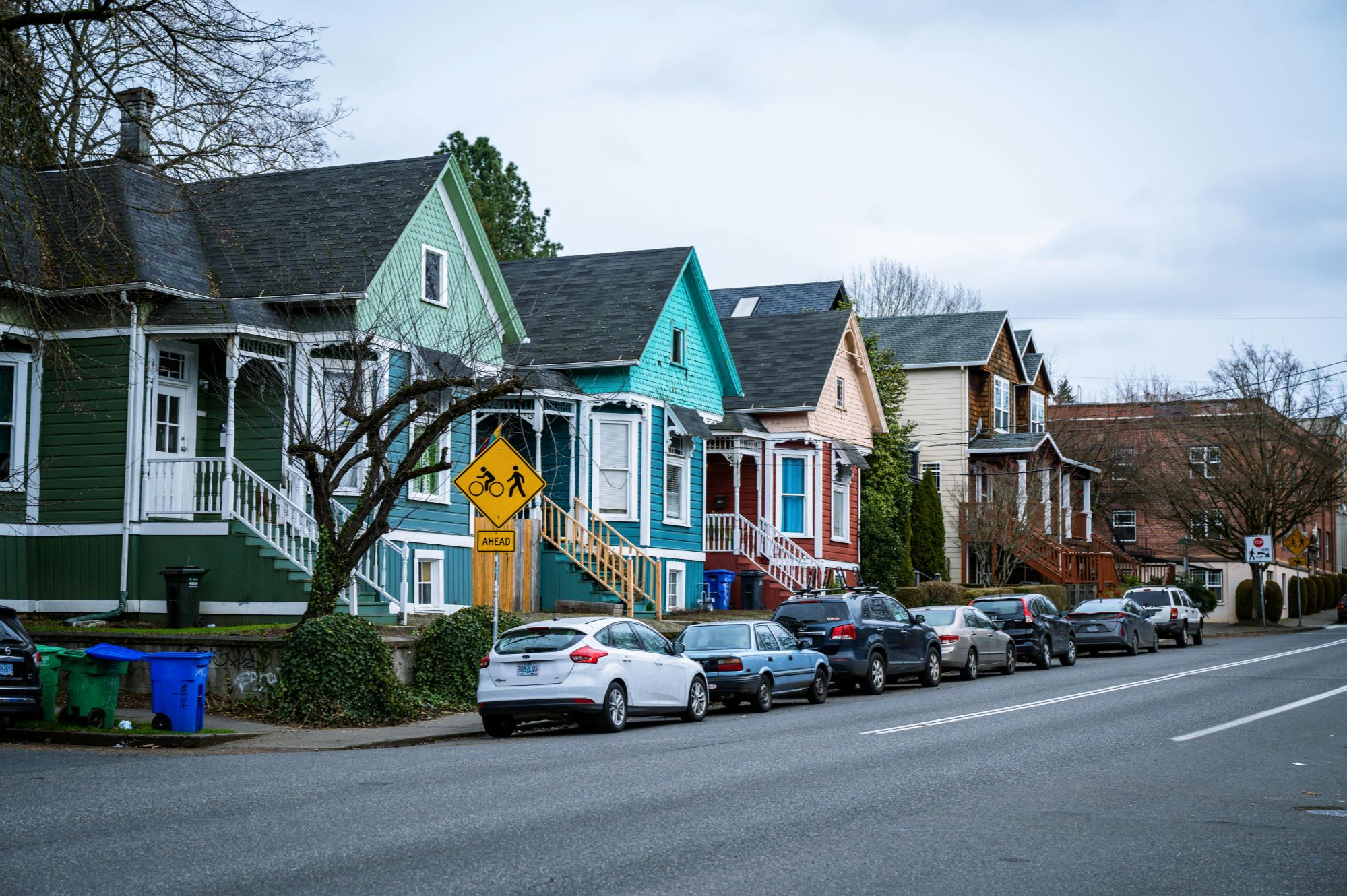
Canby is a small city of about 18,000 people in Clackamas County, roughly 30 miles south of downtown Portland. If you're thinking about buying here, here's the short version: the median sale price hit $650,000 in early 2026 according to Redfin, median household income is right around $100,000, and the vibe is more rural-rooted community than suburban sprawl. It's not for everyone, and that's the point.
This post covers the real pros, the real cons, and what your money actually gets you if you're looking at Canby.
What People Love About Living Here
Canby doesn't try to be Portland. It doesn't try to be Wilsonville or Lake Oswego or any of the suburbs that market themselves as "close to everything." What Canby actually is: a tight community with farmland views, slower pace, and enough to do locally that you're not constantly driving somewhere else.
The Wooden Shoe Tulip Festival draws tens of thousands of visitors every spring, but for the people who live here, it's the smaller stuff. First Thursday Night Markets that run from April through fall. The Canby Rodeo. Dahlia Festival. The Molalla River and Clackamas River for fishing, floating, and getting outside without a two-hour drive.
What draws people here isn't a price tag — it's what daily life actually looks like. You're choosing a different kind of living. A real yard instead of a shared courtyard. A garage with room for a workbench. Neighbors who recognize your kids. Streets where you can walk the dog at 9pm and not think twice about it.
Canby is roughly 18,000 people. It's small enough that the guy at the hardware store knows what project you're working on, and big enough that you've got the essentials covered without driving 30 minutes for groceries. That trade-off — space and community for proximity — is the entire decision. If that sounds appealing, keep reading. If you need walkable urban life, Canby probably isn't your fit, and that's okay.
The Cons — And They're Worth Knowing
Let's be direct about what gives some buyers pause.
The commute. If you work in downtown Portland, you're looking at 45 minutes to over an hour each way, depending on traffic and whether you're taking Highway 99E through Oregon City or hopping on I-205. That I-205 corridor through Oregon City and West Linn has ongoing construction projects right now that can add time. If you're hybrid or remote, this matters a lot less. If you're commuting five days a week to the Pearl District, it's going to wear on you. Most Canby residents who commute are heading to Wilsonville, Oregon City, or the south metro — not deep into Portland.
Dining and nightlife are limited. You've got solid local restaurants and coffee shops, but if you want a wide variety of cuisines or a vibrant bar scene, you're driving to Portland or Lake Oswego. Canby is a place where people tend to cook at home, hang out with neighbors, and meet up at the local spots.
Growth is slow and flat. Canby's population has actually dipped slightly in recent years — from about 18,219 in the 2020 census to roughly 17,900 in 2026, according to World Population Review projections. That's not alarming, but it does mean the city isn't seeing the same development pressure as places like Wilsonville or Sherwood. For some buyers that's a pro (less congestion, more character), for others it raises questions about long-term appreciation.
What Homes Actually Cost Right Now
So what does the market look like on the ground?
Redfin data from January 2026 shows the median sale price in Canby at $650,000, up 5.3% from last year. Median price per square foot is $278. Most homes are selling at about 1% below list price and going pending in around 60 days, though well-priced, move-in-ready properties are still moving in 16 days or less.
What you'll find on the market shifts depending on when you look, but in general: the lower end of Canby's inventory tends to include older ranch-style homes and townhomes. The middle of the market — around that $500K to $700K range — is where you'll see three- and four-bedroom homes with garages and yards with real space. Above $700K, you start seeing more land, newer builds, shops, outbuildings, and the kind of properties that people move to Canby specifically to find.
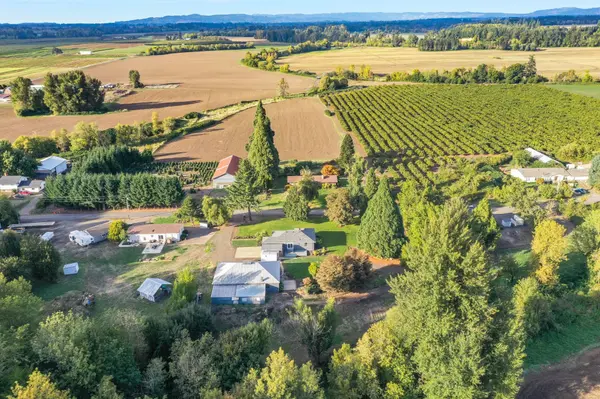
If you're looking at acreage or hobby farm setups, Canby and the surrounding areas (Aurora, Hubbard, Molalla) have more of that inventory than most parts of the metro — and those typically start in the $800Ks and go up from there.
For the most current picture, browse current Canby listings here or reach out directly — inventory moves and I can tell you what's actually available right now versus what the aggregator sites are showing.
Schools, Commutes, and Daily Life
The Canby School District (86) serves about 4,200 students across 9 schools, K–12. Canby High School enrolls roughly 1,400 students. For detailed school performance data, GreatSchools and the Oregon Department of Education publish ratings and test scores that are worth reviewing based on what matters to your family.
The district also has a dual-language immersion program at Cecile Trost Elementary, which is a real draw for those looking for that option.
For daily logistics: you've got a Safeway, a Fred Meyer in nearby Woodburn, and local groceries in town. Average Oregon utility costs run about $383 per month according to the Bureau of Economic Analysis data — electricity, gas, internet, water combined. No state sales tax in Oregon, which still catches relocating Californians off guard in the best way.
Property taxes in Canby typically fall in the range of $15 to $25 per $1,000 of assessed value depending on your specific taxing districts, per Clackamas County records. Assessed value in Oregon is usually lower than market value thanks to Measure 50, so your actual annual bill is often less than the sticker shock suggests.
What This Means for You
If you're thinking about Canby, here's how to think about it honestly:
You'll love it if you want more space, you work remotely or commute to the south metro, you like a community where people actually wave at each other, and you're okay trading proximity to Portland for a different kind of daily life.
It might not be the right fit if you need to be in downtown Portland daily, you want walkable urban amenities, or you're looking for rapid-growth areas with lots of new retail and development.
For investors: The slower growth and slightly cooling days-on-market (up from 65 days last year to 109 days in January 2026 per Redfin) mean you need to buy smart and hold — this isn't a flip market. But rental demand is solid because not everyone can or wants to buy at $650K.
For relocating buyers: If you're coming from California, Washington, or even inner Portland, Canby will feel different in ways that matter. The pace, the space, the community — all of it shifts. Spend a full day here before you make a decision. Drive the commute during rush hour. Walk around downtown on a Saturday morning. That's the only way to know if it clicks.
Jennifer Schurter serves buyers, sellers, and investors throughout South Clackamas County and the North Willamette Valley — including Canby, Oregon City, Wilsonville, Aurora, Hubbard, Molalla, Woodburn, Newberg, Sherwood, Tualatin, West Linn, Lake Oswego, and the greater Portland metro south. Her goal is simple: to be the most knowledgeable, most responsive, and most genuinely helpful real estate agent in the area — every single time. Jennifer is a licensed Oregon real estate broker with Real Broker LLC.
Ready to talk through your next move? Schedule a time with Jennifer here. No pressure, no pitch — just a real conversation.
Categories
Recent Posts






“I see my job as a Real Estate Advisor is to educate consumers about the realities of the Real Estate market of today. If you're ready to learn more about what it could mean for you to buy, sell, or invest in Real Estate, let's connect!"