
Oregon City Mayor Pushes Back on Oregon Housing Bills

Oregon City Mayor Pushes Back on Oregon’s New Housing Bills
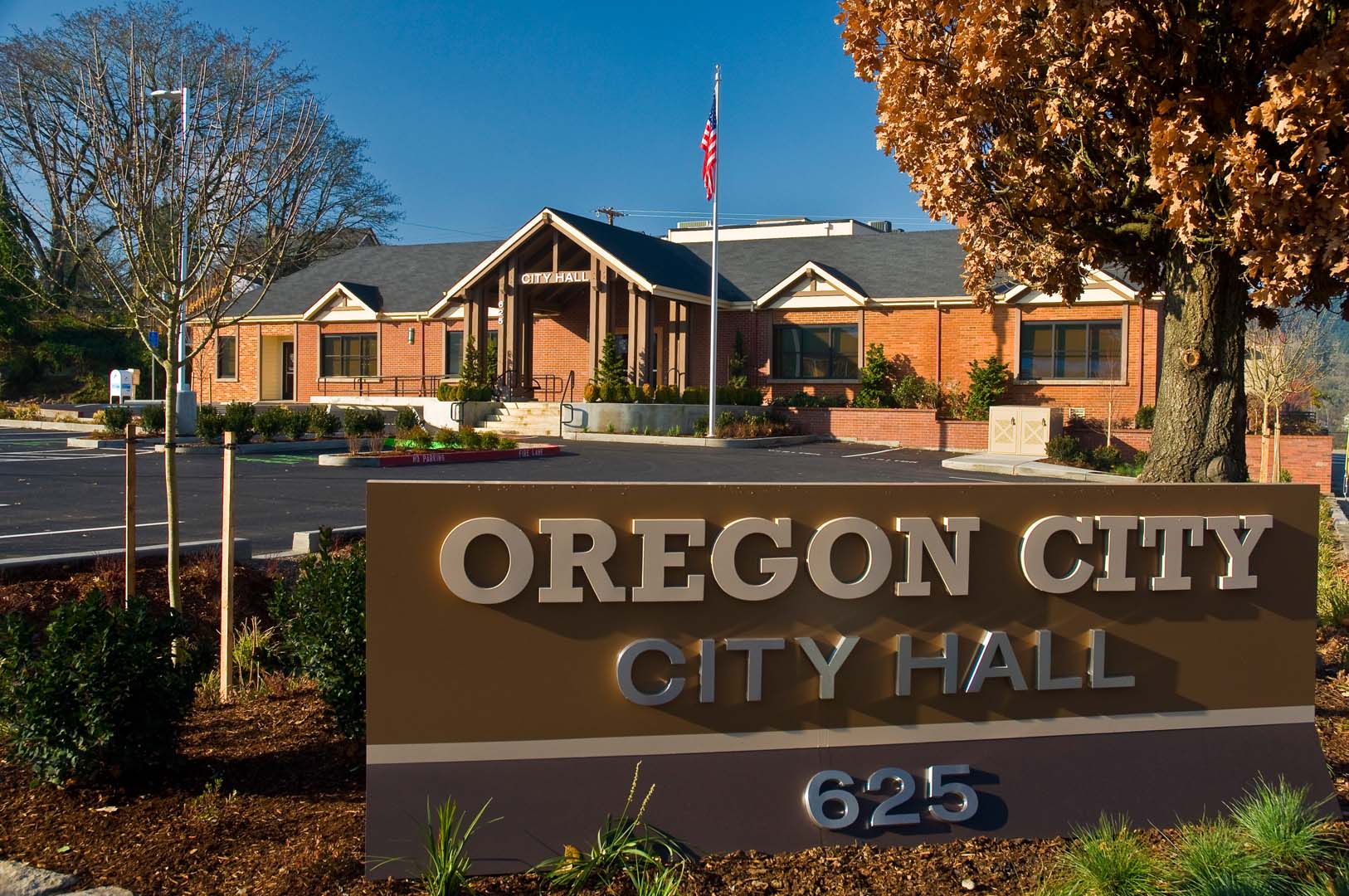
Housing affordability continues to dominate conversations across Oregon, but not everyone agrees on how the state should solve the problem. During the 2026 Oregon City State of the City address, Mayor Denise McGriff made headlines after openly criticizing the governor’s newly signed housing legislation — and she did not soften her opinion.
When asked about the state’s newest housing bills, McGriff responded bluntly: “Can I be perfectly frank? It stinks.”
The comment immediately grabbed attention, especially because McGriff is not simply a politician commenting from the sidelines. Before becoming mayor, she spent years working as a professional land use planner, giving her firsthand experience with how housing policy gets implemented at the city level.
Her frustration, however, was not with the idea of building more housing.
Instead, her concern centered on how the state established housing production goals and how local governments are now being measured against targets they had little role in creating.
Why Oregon’s Housing Debate Matters
Oregon has faced growing housing affordability challenges for years. Rising home prices, limited inventory, population growth, and increasing rental costs have placed pressure on communities throughout the state — especially in areas surrounding Portland and the Willamette Valley.
Governor Tina Kotek has made housing production one of the state’s highest priorities, pushing for legislation designed to speed up development and increase the overall housing supply.
Supporters of the bills argue the state must take aggressive action because Oregon has not built enough homes fast enough to keep pace with demand. Many believe statewide intervention is necessary to overcome zoning restrictions, permitting delays, and local resistance to development.
But city leaders like McGriff argue the issue is more complicated than simply setting production targets from Salem.
“We Didn’t Help Set That Goal”
One of McGriff’s biggest criticisms involved the process behind the housing goals themselves.
According to the mayor, local cities were not meaningfully involved when statewide housing production numbers were created. Oregon City is now being evaluated against benchmarks the city did not help establish in the first place.
Her broader argument was that local governments understand their own infrastructure, geography, transportation systems, and development limitations better than state agencies do.
What works for Portland may not work for Oregon City.
What works for Eugene may not work for Canby or Molalla.
And while statewide housing goals may appear straightforward on paper, implementation becomes much more complex once those goals reach individual communities.
McGriff suggested the housing targets would have been more realistic and achievable had local governments been part of the process from the beginning.
The Infrastructure Challenge
One of the most important points raised during the discussion involved infrastructure funding — something often overlooked in broader housing conversations.
Building more homes requires more than approving permits or rezoning land.
Communities also need:
- Roads and traffic improvements
- Water and sewer capacity
- Emergency services
- School expansion
- Public transportation systems
- Stormwater and utility upgrades
Without infrastructure investment, rapid housing growth can strain existing systems and create additional pressure on local governments already operating within tight budgets.
McGriff argued the state should spend more time helping cities fund practical housing solutions instead of relying primarily on mandates and production quotas.
She specifically mentioned support for first-time homebuyers and infrastructure improvements as areas where the state could provide more meaningful assistance.
That perspective reflects a growing concern among many suburban and smaller Oregon communities that housing policy conversations often focus heavily on unit counts while overlooking the cost of supporting long-term growth.
The Bigger Debate: State Control vs. Local Control
At the center of this issue is a debate Oregon has been having for years:
How much control should the state have over local housing policy?
Supporters of statewide reforms argue local governments have historically slowed housing development through zoning restrictions, lengthy review processes, and political resistance to density. From that perspective, state-level action becomes necessary to address affordability problems quickly.
Critics, however, argue that communities need flexibility to plan growth responsibly based on local conditions.
For cities like Oregon City, growth decisions affect far more than housing inventory. They impact traffic congestion, school crowding, utility systems, neighborhood character, public safety resources, and infrastructure maintenance costs.
That balancing act is why many local officials continue pushing for more collaboration rather than one-size-fits-all mandates.
McGriff’s comments highlighted the tension between statewide urgency and local implementation realities — a conversation likely to continue throughout Oregon for years to come.
Why This Matters for Oregon City Residents
While housing policy can sometimes feel distant or political, these decisions directly shape the future of communities throughout Clackamas County.
The outcome of these debates influences:
- Home affordability
- Future neighborhood development
- Density and zoning changes
- Transportation planning
- Infrastructure spending
- Availability of starter homes
- Property values and taxes
For homeowners, buyers, sellers, and renters alike, state housing policy ultimately affects what Oregon communities will look and feel like over the next decade.
And because Oregon City sits within one of the fastest-growing regions in the state, conversations about housing growth are becoming increasingly important locally.
A Conversation That’s Only Getting Started
The mayor’s comments during the State of the City address revealed something many residents may not realize: even officials who support additional housing can strongly disagree with how the state approaches the problem.
As Oregon continues pushing for higher housing production, debates around local control, infrastructure funding, and growth management are likely to intensify.
Some leaders believe aggressive statewide action is necessary to solve the housing crisis.
Others believe long-term success depends on giving local governments a stronger voice in how growth happens within their own communities.
Either way, one thing is clear: housing policy is no longer just a planning issue happening quietly behind closed doors. It has become one of the biggest public conversations shaping Oregon communities today.
Jennifer Schurter serves buyers, sellers, and investors throughout South Clackamas County and the North Willamette Valley — including Canby, Oregon City, Wilsonville, Aurora, Hubbard, Molalla, Woodburn, Newberg, Sherwood, Tualatin, West Linn, Lake Oswego, and the greater Portland metro south. Her goal is simple: to be the most knowledgeable, most responsive, and most genuinely helpful real estate agent in the area — every single time. Jennifer is a licensed Oregon real estate broker with Real Broker LLC.
Ready to talk through your next move? Schedule a time with Jennifer here. No pressure, no pitch — just a real conversation.
Categories
Recent Posts









“I see my job as a Real Estate Advisor is to educate consumers about the realities of the Real Estate market of today. If you're ready to learn more about what it could mean for you to buy, sell, or invest in Real Estate, let's connect!"