
Living in Canby vs Portland Suburbs: A Real Comparison

What It's Really Like to Live in Canby vs Living in Portland Suburbs
If you're weighing Canby against life in a Portland suburb, the first thing to understand is that you're not comparing price tags — you're comparing two genuinely different ways of living. Canby isn't Lake Oswego with a longer commute. It's its own thing, and whether that's the right fit depends entirely on what you actually want out of daily life.
Here's the honest version.
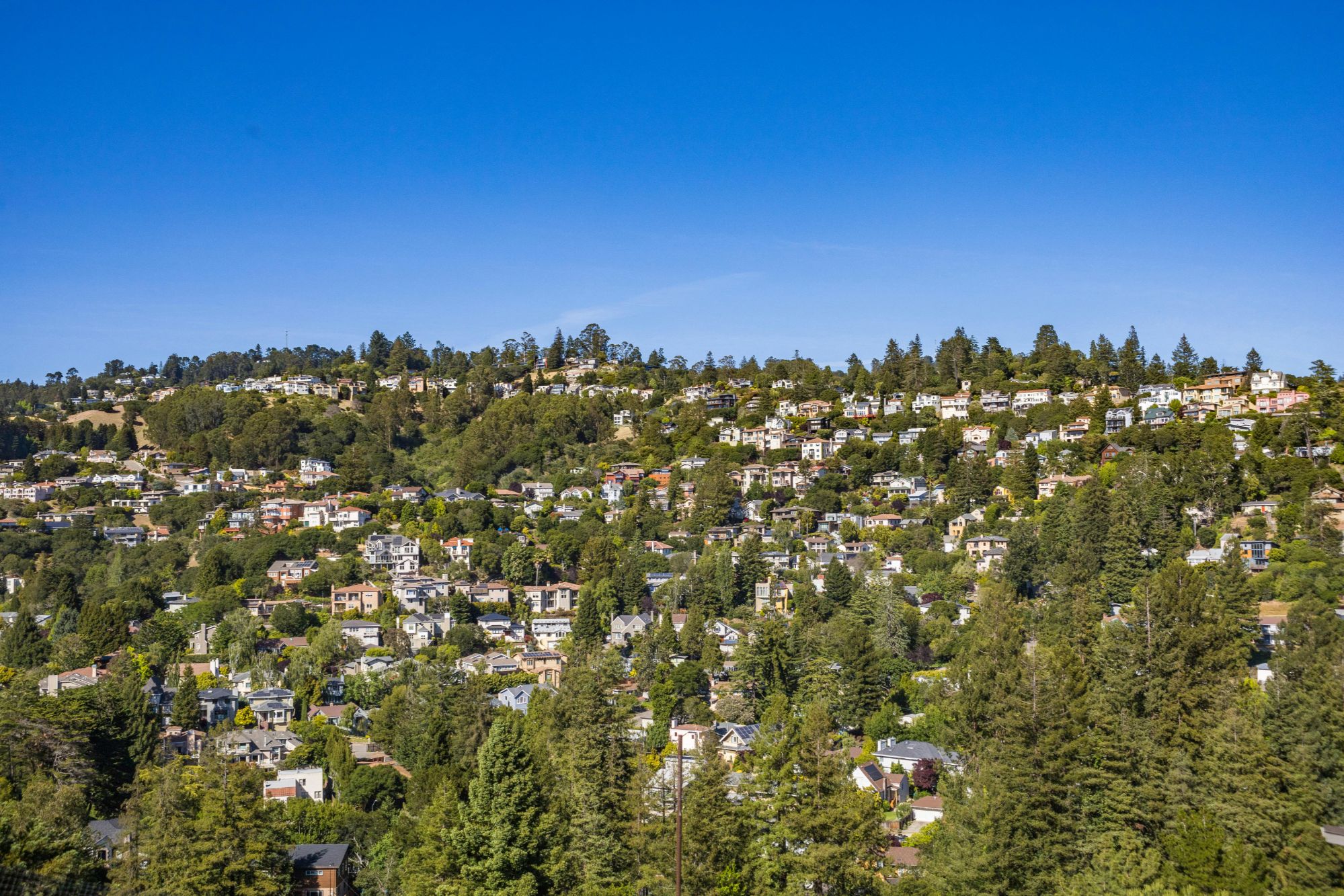
The Commute Reality (No Sugarcoating)
Let's start with the one thing people wonder about most. Canby sits about 25 miles south of downtown Portland — roughly 34 minutes in off-peak traffic. During rush hour on a Tuesday morning? That can stretch to 50–65 minutes each way depending on your destination and your route.
If you're taking Highway 99E through Oregon City, you'll hit the same chokepoints at the I-205 on-ramps that anyone commuting from the south metro deals with. There's ongoing construction along that corridor that has added time in recent years. The I-5 option through Wilsonville adds more highway miles but can move faster when 99E is stacked.
The thing that changes this calculation dramatically is remote or hybrid work. Most Canby residents who commute regularly are heading to Wilsonville, Oregon City, or the south metro — not driving daily into the Pearl District. If you're in an office five days a week in downtown Portland, that commute deserves serious thought. If you're driving in two or three days a week, or if your office is in the Tualatin-Wilsonville corridor, this is a much more manageable situation.
For comparison: commuting from Lake Oswego to downtown Portland typically runs 20–30 minutes. From Beaverton or Tigard, 20–35 minutes. Canby's commute to central Portland is real and it's longer — probably an additional 20 minutes versus most established Portland suburbs. That's the honest number.
What the Suburbs Offer That Canby Doesn't
The close-in Portland suburbs — Lake Oswego, West Linn, Tigard, Beaverton, Tualatin — have more retail density, more restaurant variety, shorter commutes, and in most cases, more walkable access to everyday errands. You're closer to major medical centers, more connected to the city's cultural offerings, and in some cases, accessing different school districts.
If you want a wide selection of restaurants without driving far, or you want to pop into a specialty grocer on the way home, the established Portland suburbs have that infrastructure already built out. Lake Oswego has a downtown you can walk around. Tigard and Beaverton have extensive retail corridors.
There's also the appreciation consideration. The inner suburbs — Lake Oswego in particular — have sustained demand from proximity to Portland that doesn't fluctuate as much with hybrid work trends. That proximity premium is real and it's priced in.
What Canby Offers That the Suburbs Don't
The space-to-price relationship is different in Canby — not because you're getting a discount on a comparable product, but because the product itself is different. According to Redfin data from early 2026, Canby's median sale price is $546,000, and the homes on the market include a meaningful share of properties on larger lots: quarter-acre, half-acre, and agricultural parcels that simply don't exist in Lake Oswego or Tigard at any price point.
In most established Portland suburbs, $500,000 to $600,000 gets you a 1,500–1,900 square foot home on a standard lot with neighbors about 15 feet away. In Canby, that same range regularly includes homes with room for a shop, a garden, raised beds, or actual yard space. Current listings show a wide variety, including properties with detached shops and multi-car garages that would carry a significant premium — or simply not exist — in the closer suburbs.
The pace of life is also genuinely slower. Canby is a city of about 18,000 people. The downtown has a First Thursday Night Market running April through fall, an annual Dahlia Festival that draws visitors from across the state, and a commercial core where local business owners actually know who you are. The Molalla River and Clackamas River are accessible for fishing, floating, and hiking without a long drive. That isn't a marketing line — it's what people describe when you ask them why they stayed after moving here.
Community integration tends to happen faster in smaller cities. If that's important to you — knowing your neighbors, feeling embedded in something — Canby has the conditions for it in a way that larger, more transient suburbs don't always provide.
The Canby Market Right Now
Redfin's March 2026 data shows Canby's median sale price at $546,000, up 7.3% year over year. Average days on market sits around 22–26 days per Redfin, though Altos Research shows a wider spread — some homes moving in under three weeks, others sitting significantly longer. About 42% of current listings have seen at least one price reduction, according to Altos Research, which means the market has clear stratification: well-prepared, correctly priced homes still move; overpriced homes sit.
For context, Redfin shows Lake Oswego's median around $900,000+ and West Linn in the $700,000–$800,000 range — closer suburbs where the premium for proximity is significant. Tualatin and Tigard typically run $500,000–$650,000 depending on the price tier, which overlaps with Canby's range, but on fundamentally different lot sizes and community character.
Inventory in Canby is healthy — Realtor.com shows approximately 121 active listings with a median list price around $661,250. Buyers have real options and room to negotiate, particularly on homes that have been sitting. Sellers who price correctly are still finding buyers.
Daily Life: What the Comparison Actually Comes Down To
Here's the framing that tends to clarify things for people who are genuinely on the fence. A Portland suburb like Lake Oswego or West Linn gives you proximity — to the city, to a range of restaurants, to major retail, to cultural amenities. You're in the metro's gravitational field and everything that comes with it.
Canby gives you a different center of gravity. Your daily life is more self-contained. You're going to the First Thursday market, driving to nearby farms for produce, taking the dog to one of the parks along the Molalla River, knowing your postal carrier. When you want the city — concerts, major sporting events, specific restaurants — you drive up and you get there. But the city isn't the backdrop of your daily routine.
For people who work remotely or in the south metro, have found that Portland's density has stopped appealing to them, or are specifically looking for larger lot sizes and a community where being a regular somewhere actually means something — Canby makes genuine sense.
For buyers who need daily proximity to Portland's core, want walkable urban amenities, or are prioritizing a shorter drive to Portland's major employment centers, the closer-in suburbs are going to serve them better. Neither answer is wrong.
What This Means for You
If you're relocating and doing the Canby vs. suburbs comparison, these are the questions worth sitting with.
How often are you actually going to be in Portland? Not hypothetically — actually? If the honest answer is three or four times a month, Canby's commute math changes significantly versus five days a week.
What do you want your home to do for you? If the answer includes meaningful outdoor space, room for a project, or a yard you can actually use — that's easier to find in Canby's price range than in most Portland suburbs.
Do you want to feel embedded in a community? Smaller cities create the conditions for that in ways larger ones don't always. Canby is the kind of place where that's possible within a year of arriving if you show up to what's there.
Jennifer Schurter is based in Canby and has helped buyers make exactly this comparison — people weighing suburban proximity against what life actually looks like once you're here. If you want someone who can walk you through current inventory, specific neighborhoods, and what the commute really looks like from different parts of town, that conversation is worth having.
Jennifer Schurter serves buyers, sellers, and investors throughout South Clackamas County and the North Willamette Valley — including Canby, Oregon City, Wilsonville, Aurora, Hubbard, Molalla, Woodburn, Newberg, Sherwood, Tualatin, West Linn, Lake Oswego, and the greater Portland metro south. Her goal is simple: to be the most knowledgeable, most responsive, and most genuinely helpful real estate agent in the area — every single time. Jennifer is a licensed Oregon real estate broker with Real Broker LLC.
Have questions or want to get started? Connect with Jennifer here. She'd love to hear from you.
Categories
Recent Posts










“I see my job as a Real Estate Advisor is to educate consumers about the realities of the Real Estate market of today. If you're ready to learn more about what it could mean for you to buy, sell, or invest in Real Estate, let's connect!"