
HOA Communities in Oregon: Rules, Fees, and Resale Value

HOA Communities in Oregon: Rules, Fees, and Resale Value
Buying into a homeowners association community changes the financial picture of ownership — and not always in the ways buyers expect. Some HOA neighborhoods offer well-maintained common areas, lower maintenance headaches, and strong long-term values. Others come with restrictive rules, surprise assessments, and fees that quietly eat into your monthly budget. Before you fall in love with a home that happens to sit inside an HOA, it's worth understanding exactly what you're buying into.
Here's a plain-language breakdown of how HOAs work in Oregon, what the fees actually cover, what the rules typically look like, and how HOA membership tends to affect resale value.
What HOA Fees Actually Cover — and What They Don't
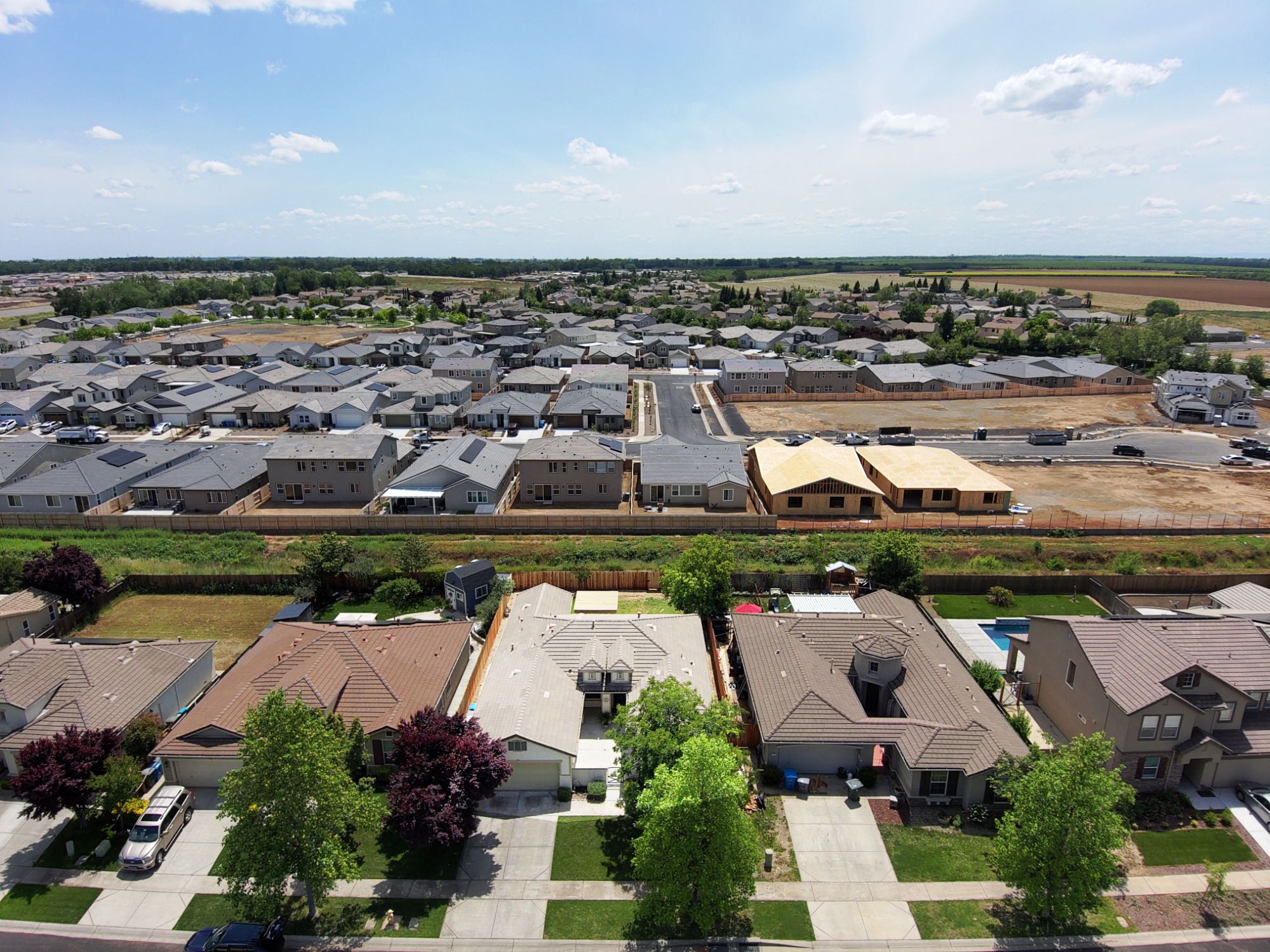
HOA fees exist to fund shared resources. In a townhouse or attached-home community, that usually means exterior maintenance, roof reserves, landscaping, common area upkeep, and sometimes water and sewer. In a single-family planned community, it's more often limited to common area landscaping, a pool or clubhouse, entry monument maintenance, and shared insurance for those spaces.
What fees don't typically cover: your homeowner's insurance, your individual lot landscaping (in most SFR HOAs), or your home's structural repairs. That distinction trips up a lot of first-time HOA buyers who assume the association handles more than it actually does.
In Wilsonville, which has several master-planned HOA communities, fees vary considerably depending on the type of home and what the association maintains. Current MLS listings show Wilsonville HOA dues ranging from around $249 per month on the lower end to $508 per month for properties where the association covers more exterior maintenance. Villebois — one of Wilsonville's largest planned communities — tends to run in the $368–$376 per month range for single-family homes. These aren't outliers; they're typical of what mid-range HOA communities cost across the Portland metro south.
For buyers doing mortgage math, HOA dues count toward your debt-to-income ratio. A $400/month HOA fee has the same impact on your qualifying DTI as roughly $80,000 in additional loan amount at current rates — lenders apply it immediately.
Understanding CC&Rs Before You Buy
Every HOA is governed by a set of documents: the CC&Rs (Covenants, Conditions, and Restrictions), bylaws, and any supplemental rules adopted by the board. These are the actual contracts that govern what you can and can't do with your property once you're inside the association — and they run with the land, which means they bind every future owner too.
Common CC&R restrictions include: exterior paint color approvals, fence style and height limits, rules on parking recreational vehicles or boats, rental restrictions (including short-term rental bans), pet count or size limits, and setback requirements for sheds or additions. Some associations have lenient rules that are rarely enforced; others have active architectural review committees that require board approval before you paint your front door.
The rental restriction issue is one of the most consequential things to check early. Some Oregon HOAs cap rental units at 10–20% of all homes — if that cap is already met when you buy, you may not be able to rent your home if your circumstances change. Boards can also amend bylaws after you move in, so reviewing recent meeting minutes gives you a read on where the association is headed, not just where it's been.
Red flags in CC&Rs include broad board authority to fine homeowners without clear due-process steps, rental caps already near their limit, and vague "use restriction" language that the board can apply however it chooses. These aren't disqualifiers — but they're worth understanding before you close.
Oregon's HOA Disclosure Laws: What Sellers Must Provide
Oregon law gives buyers real protections when purchasing inside an HOA — if you know to ask. For planned communities (the vast majority of Oregon HOAs), ORS 94.670 requires the association to provide a resale certificate to buyers. This package contains 13 mandated disclosure items, including current monthly assessments, any pending or recently levied special assessments, the association's financial condition statement, the reserve study (if one has been prepared), and restriction information under ORS 94.580.
The seller or HOA management company must deliver this package within 10 business days of a request. Buyers have a right of rescission tied to that delivery — if the package isn't provided on time, you may have grounds to walk. Request this early in the transaction, not at the last minute.
HOA closings also come with additional costs. Resale certificate fees in Oregon typically run $100–$500, with transfer fees of $50–$400 depending on the association (per ibuyer.com) — standard line items on the settlement statement that sellers should budget for.
One note on condominiums: Oregon has no condo-specific mandatory resale packet statute equivalent to ORS 94.670. If you're buying a condo with an HOA, the due diligence process looks a bit different. A good buyer's agent will know what to request regardless.
Special Assessments: The Surprise Cost Buyers Often Miss
Even a well-funded HOA can levy a special assessment — a one-time charge to all homeowners to cover a major unexpected expense or capital improvement that the reserves can't fully absorb. A new roof on a clubhouse, a parking lot repaving, a failing retaining wall: these are the kinds of events that trigger special assessments.
Before closing, the resale certificate should disclose any pending special assessments. What it can't disclose is what might be assessed after you move in. That's why the reserve study matters. A reserve study projects the expected lifespan and replacement cost of major common elements and compares that against what the association has saved. A well-funded reserve is one of the best signals that an HOA is managed responsibly. An underfunded reserve is a warning sign that a special assessment may be coming.
Oregon law (ORS 94.595) defines reserve studies and when they're required — but not all associations actually maintain current ones. If the resale certificate shows no reserve study or a study that's more than five years old, ask the association directly about its capital planning process.
How HOA Membership Tends to Affect Resale Value
The research on HOA homes and resale value is genuinely mixed. According to Portland Appraisal Blog data from Q1 2026, 279 of 362 attached-home closings in the Portland region (about 77%) occurred in dues-bearing HOA communities — meaning HOA living is mainstream, not niche, in the attached and townhouse market.
For single-family homes, the picture is more nuanced. A well-maintained HOA community with strong homeowner engagement and a healthy reserve fund tends to hold values more consistently than comparable non-HOA streets where individual property maintenance varies. The trade-off is a narrower buyer pool — HOA homes appeal to buyers who want that structure and are willing to pay dues. Buyers who want full autonomy, or who plan to run a short-term rental or ADU, may self-select out.
In Canby, the market has both HOA and non-HOA options. Many of Canby's neighborhoods and older-established areas are non-HOA, which suits buyers who want flexibility with their land. Some newer developments include HOAs for common area maintenance. Canby's median sale price as of March 2026 was $546,000 according to Redfin, up 7.3% year over year, with a median of 51 days on market per Realtor.com — reflecting a market where both HOA and non-HOA homes are moving.
The bottom line on resale value: an HOA is neither automatically a value-add nor a liability. A financially healthy HOA with reasonable rules and a well-maintained community environment can absolutely support long-term value. A poorly managed one with deferred maintenance and ongoing board conflict can do the opposite. The quality of management matters more than HOA status alone.
What This Means for You as a Buyer
If you're considering a home inside an HOA in the South Clackamas County or North Willamette Valley area, here's the practical checklist that actually matters:
Request the resale certificate as early as possible. This is your window to review financials, pending assessments, and the reserve study before your inspection period closes. Don't wait until closing week.
Read the CC&Rs for rental restrictions and modification rules. If there's any chance you'll want to rent the home, run a short-term rental, or make significant exterior changes, you need to know those constraints upfront — not after close.
Factor dues into your full monthly payment. Mortgage lenders do. When you're comparing two homes at the same price, a $400/month HOA fee is the financial equivalent of a meaningfully higher purchase price.
Ask about upcoming assessments. The resale certificate covers what's been levied, not what's being discussed. Ask your agent to request recent board meeting minutes — a pattern of deferred maintenance discussions is a useful signal.
Evaluate the reserve fund. A reserve that's 70–100% funded is healthy. Below 50% funded starts to raise questions. If no reserve study exists, ask why.
HOA or no HOA is ultimately a preference question as much as a financial one. Some buyers want the structure and shared maintenance; others want full autonomy over their property. Both are completely valid — the important thing is knowing exactly what you're choosing before you commit.
Jennifer Schurter serves buyers, sellers, and investors throughout South Clackamas County and the North Willamette Valley — including Canby, Oregon City, Wilsonville, Aurora, Hubbard, Molalla, Woodburn, Newberg, Sherwood, Tualatin, West Linn, Lake Oswego, and the greater Portland metro south. Her goal is simple: to be the most knowledgeable, most responsive, and most genuinely helpful real estate agent in the area — every single time. Jennifer is a licensed Oregon real estate broker with Real Broker LLC.
Ready to talk through your next move? Schedule a time with Jennifer here: https://calendly.com/jen-475/
Categories
Recent Posts










“I see my job as a Real Estate Advisor is to educate consumers about the realities of the Real Estate market of today. If you're ready to learn more about what it could mean for you to buy, sell, or invest in Real Estate, let's connect!"