
Molalla Growth: What Buyers Outside the Core Should Know
What Molalla's New Growth Means for Buyers Looking Outside the City Core
Molalla is planning for real growth, but today's numbers show a small city that has not yet grown much. The city's adopted Housing Production Strategy projects about 5,400 more residents by 2042, while Census Bureau estimates put the population at 10,104 in July 2025, slightly below the 2020 base. For buyers, that gap is the story: new neighborhoods are arriving, the boundary is being redrawn, and the decisions you make about location (inside the core, at the edge, or out on acreage) will matter more as that plan unfolds.
What the growth plan actually says
The city of Molalla has been working through state-required housing planning. Its Housing Production Strategy, filed with the Oregon Department of Land Conservation and Development, projects Molalla reaching roughly 15,660 residents by 2042, an increase of 5,432 people. To house them, the city estimates a need for around 2,000 new dwelling units over that period.
Separately, the city is amending its urban growth boundary (UGB). According to the city's UGB project page, Molalla must adopt a boundary amendment by the end of 2026, with hearings before the City Council, Planning Commission, and the Clackamas County Board of Commissioners expected late in the year. The analysis has been weighing northern and western expansion against a southern one.
Plans are not construction, though. A projection is a forecast, not a promise, and the Census figure shows population has actually been flat to slightly down since 2020 (10,235 at the April 2020 estimates base, 10,104 in July 2025). Anyone buying today should treat the 2042 number as direction of travel, not a guarantee of how fast values or neighborhoods will change.
What is being built now
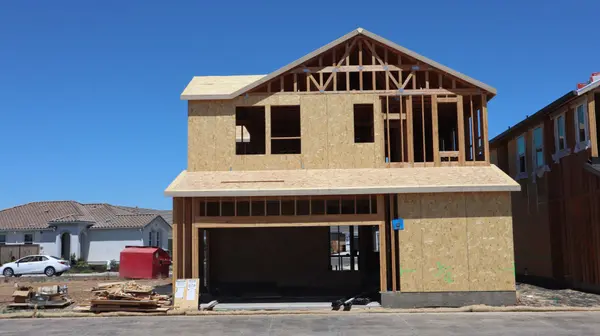
You can already see the early edge of new development. Marketing materials for the planned Cascade Center retail project at West Main Street and South Leroy Avenue describe it as surrounded by several new residential projects, including the Bear Creek neighborhood and Stoneplace Apartments. Active new-construction listings in town also advertise builder incentives that can include closing cost help or financing offers, which are subject to change and eligibility requirements.
New construction in a small market behaves differently than resale. You are often buying a home on a smaller, more uniform lot with a warranty and modern systems, in an area that is still filling in. Streets may be unfinished, adjacent lots may still be vacant, and the commercial services planned nearby may be a year or two out. That is not a negative. It is simply a different set of tradeoffs than a resale home near Molalla's historic downtown or a place on acreage outside city limits.
Where the market stands right now
Local data on a city this size is thin, so read it with care. Redfin's data for ZIP code 97038 showed a median sale price of about $496,000 for the three months through May 2026, with a median of 23 days on market. That ZIP covers more than the city limits, and sales counts in any single window are small, so a handful of closings can move the number.
Altos Research data tells a more cautious story from a different angle. A March 2026 snapshot for Molalla showed 35 homes for sale, a median of 56 days on market, and 43% of listings with a price decrease. Those two figures come from different sources and different months, so I am not comparing them with each other. Together they suggest a market where well-priced, well-presented homes move, while overpriced ones sit and get reduced.
Rates matter here too. Freddie Mac's Primary Mortgage Market Survey put the 30-year fixed rate at 7.28% as of October 1, 2026, up from 7.03% the week before. At that rate, principal and interest runs about $684 per month for every $100,000 borrowed, which is why a price reduction or builder rate incentive can move the monthly payment as much as the sticker price does.
Inside the core vs. the edge vs. outside it
Buyers looking "outside the city core" usually mean one of three different things, and they carry different considerations.
Closer-in resale homes sit near downtown Molalla's shops, parks, and services. These tend to be older, on established streets, with mature trees and more varied lot sizes. You are buying into what already exists.
Edge-of-town and newer-subdivision homes are where the growth plan will be most visible. Here, it is worth asking what is zoned for the vacant land next door, what the city's plan says about future streets and utilities, and whether the home sits inside or just outside the current boundary. Those answers shape your view, your traffic, and your long-term resale story.
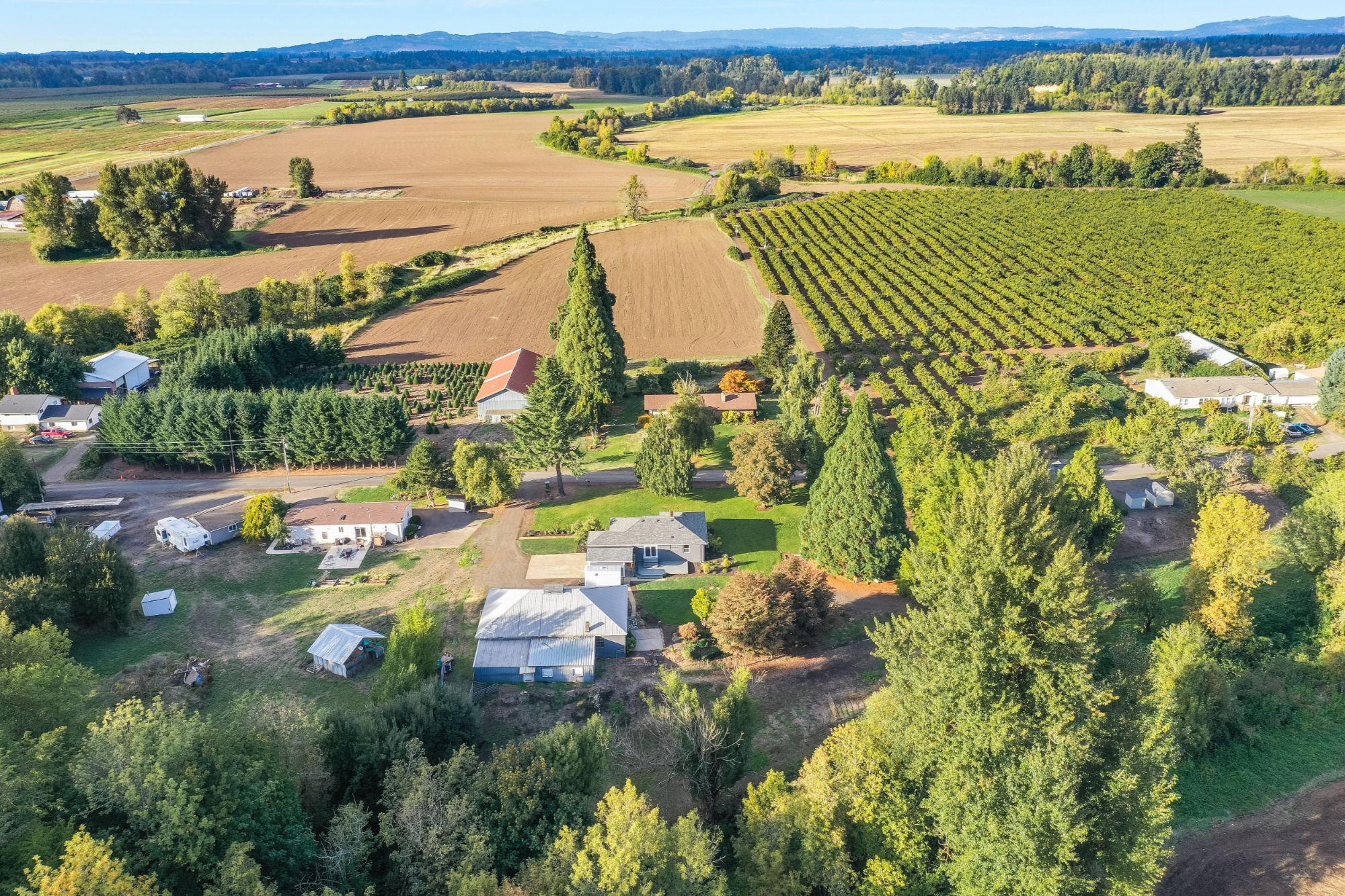
Rural and acreage properties outside city limits come with county rules, wells, septic systems, and sometimes farm or forest zoning. Land inside a UGB expansion area can change character over time, while land outside it generally stays rural. If the lot, the quiet, and the space are the reason you are looking, check where a property sits relative to the boundary study areas.
Day to day, Molalla is a roughly 30-mile drive from Portland, and many residents commute elsewhere or work locally, so commute reality should be tested at your own hours before you fall for a house.
What this means for you
- Verify the boundary and zoning for any property you like. Ask the city and Clackamas County what is planned next door, especially near the UGB study areas.
- Separate the forecast from the present. Use current sales and days on market for pricing decisions, not the 2042 projection.
- For new construction, look past the model home. Ask about lot premiums, HOA rules, builder incentives, closing timelines, and what is planned on adjacent land.
- Use small-market data carefully. With a few dozen homes for sale, one sale can swing the median. Local comps matter more than averages.
- Get an independent inspection even on new builds. A warranty does not replace a second set of eyes.
Growth plans take years, and buyers who understand the details around a specific address tend to feel good about their decision long after closing. If Molalla is on your list, I am happy to look at specific streets, lots, and development areas with you.
Data sources: U.S. Census Bureau QuickFacts (July 2025 estimates); Oregon Department of Land Conservation and Development, Molalla HPS; City of Molalla UGB project page; Redfin data (ZIP 97038, May 2026); Altos Research (March 2026); Freddie Mac PMMS (October 1, 2026).
Jennifer Schurter serves buyers, sellers, and investors throughout South Clackamas County and the North Willamette Valley — including Canby, Oregon City, Wilsonville, Aurora, Hubbard, Molalla, Woodburn, Newberg, Sherwood, Tualatin, West Linn, Lake Oswego, and the greater Portland metro south. Her goal is simple: to be the most knowledgeable, most responsive, and most genuinely helpful real estate agent in the area — every single time. Jennifer is a licensed Oregon real estate broker with Real Broker LLC.
Have questions or want to get started? Connect with Jennifer here. She'd love to hear from you.
Categories
Recent Posts




“I see my job as a Real Estate Advisor is to educate consumers about the realities of the Real Estate market of today. If you're ready to learn more about what it could mean for you to buy, sell, or invest in Real Estate, let's connect!"