
What Home Inspections Can (and Can’t) Tell You When You’re Buying
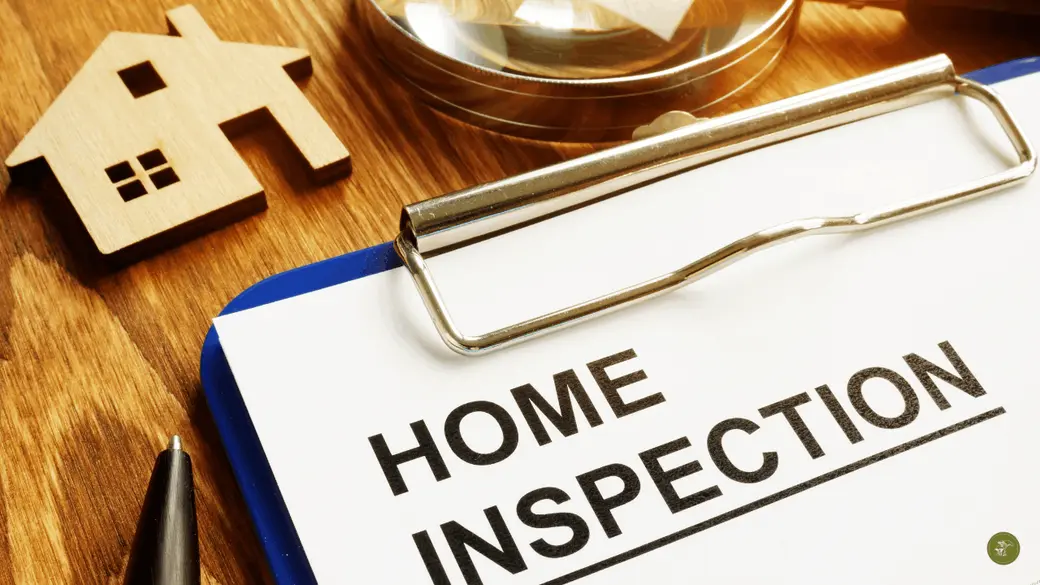
Home inspections are one of the most important—and least glamorous—parts of buying a home. They’re not about falling in love with the kitchen; they’re about understanding what you’re really saying yes to behind the walls, in the crawl space, and on the roof.
What a home inspection does do
A standard home inspection is a visual examination of the home’s major systems and components, designed to identify visible defects or areas of concern. It’s not a pass/fail test; it’s a snapshot of the home’s condition on that day.
Typically, an inspector will look at:
-
Roof, exterior, windows, and doors
-
Foundation and visible structural elements
-
Electrical, plumbing, and HVAC systems
-
Attic, insulation, and ventilation
-
Interior spaces for signs of moisture, damage, or safety issues
The result is a written report that helps you understand what’s working well, what needs attention soon, and what may require further evaluation.
What inspections don’t guarantee
It’s just as important to understand the limits:
-
Inspectors can’t see through walls or under finished surfaces
-
They can’t predict the future life span of every system with certainty
-
They’re not performing specialized tests (like sewer scopes, radon tests, or structural engineering evaluations) unless specifically hired to do so
In other words, an inspection greatly reduces the “unknowns,” but it doesn’t reduce them to zero. It’s still a house, not a brand‑new smartphone fresh out of the box.
Keeping it real (estate): Using inspections to make calm decisions
Some buyers see an inspection report and immediately think, “We have to walk away.” Others feel pressure to ignore issues because they’re afraid of losing the house. The healthiest approach tends to sit in the middle:
-
Identify true safety or big‑ticket concerns
-
Decide what you’re comfortable asking the seller to address
-
Decide what you’re willing to take on yourself over time
The point is not to find a flawless home—that doesn’t exist. It’s to make sure the home you choose matches your risk tolerance, budget, and energy for future projects.
When to consider additional inspections
Depending on the home and location, it may make sense to bring in extra specialists, such as:
-
A sewer scope company
-
A structural engineer
-
A roof specialist
-
Pest or dry‑rot inspectors
-
Environmental testing where appropriate
Your agent can help you think through which additional inspections are common or wise for the type of property you’re buying—especially in areas with older homes, well/septic systems, or particular local quirks.
How to use the report after you get it
Once you have your inspection report:
-
Read it all the way through (yes, really)
-
Separate cosmetic notes from safety or system issues
-
Talk with your agent about which items are reasonable to address with the seller, and which are better handled by you later
-
Use it as a roadmap for future maintenance if you move forward
A good inspection report is not just about negotiation; it’s also a homeowner’s guide to “here’s how to take care of this house.”
Want help making sense of inspection results?
If you’re buying in the North Willamette Valley and want a steady, non‑alarmist voice to help you navigate inspections and next steps, schedule an intro call:
Schedule an intro call
We’ll keep it real (estate) and focus on what the report actually means for you—not just how scary it looks in PDF form.
Categories
Recent Posts








“I see my job as a Real Estate Advisor is to educate consumers about the realities of the Real Estate market of today. If you're ready to learn more about what it could mean for you to buy, sell, or invest in Real Estate, let's connect!"