
Remodel Before Selling Your Oregon Home?

Do I Need to Remodel Before Selling My Home in Oregon?
The short answer is: probably not as much as you think. Most sellers who rush into big pre-listing renovations spend money they won't fully recover. The smarter play is knowing which updates actually move the needle — and which ones you should skip entirely.
Here's what the data shows in the Canby market right now, and how to make this decision without second-guessing yourself.
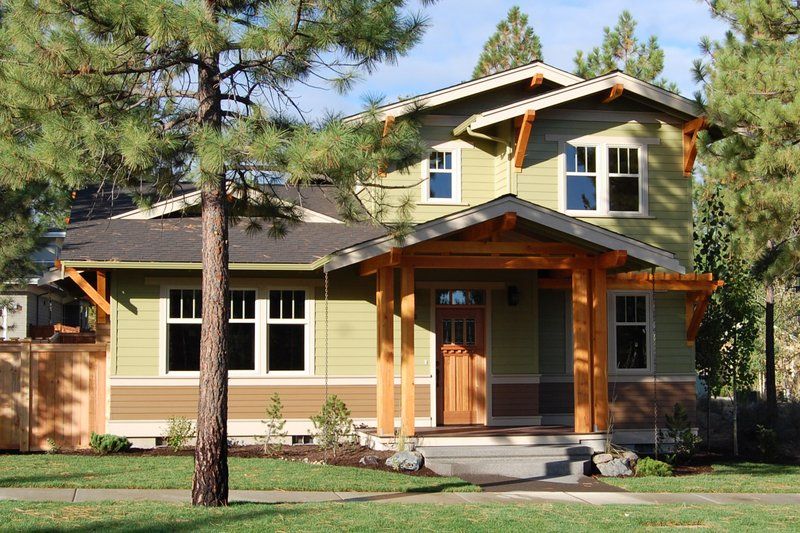
The Real Question Isn't "Should I Remodel?" — It's "What Will Actually Pay Me Back?"
The average renovation dollar returns about 74 cents at resale, according to a Portland-area agent cited in HomeLight's 2026 report. That's not a reason to panic — it's a reason to be strategic. Sellers who go in with a plan walk away in a much stronger position than those who gut their kitchen six weeks before listing because they think it's what buyers want.
The projects that consistently return the most are not the ones that feel the most impressive. Replacing a dated garage door is about $4,000 and returns over 100% of its cost in the Portland metro area, according to data from the National Association of Realtors and the National Association of the Remodeling Industry. A steel entry door upgrade runs roughly $2,400 and returns around 216%. Basic yard cleanup and fresh mulch? About $415, with returns in the range of 217%.
Notice a pattern. The highest-returning improvements are almost all exterior and cosmetic — the things buyers see first, the things that show up in photos, and the things that make a home feel cared for before anyone steps through the front door.
What to Fix, What to Freshen, and What to Leave Alone
There's a useful mental framework here: fix what's broken, freshen what's dated, and leave the rest alone. That's not a cop-out — it's the actual best-case financial strategy in most situations.
Fix what's broken. Deferred maintenance is the most reliable way to lose money on a sale. A buyer's inspector will find it, it will show up in the repair request, and you'll end up negotiating from a weakened position anyway. Leaking roofs, outdated electrical panels, HVAC systems on their last legs — these need to be addressed not because they add value, but because they're active buyer objections. Fix them before listing and you're simply competing at the level buyers expect.
Freshen what's dated. Interior paint in warm neutrals is one of the most underrated moves a seller can make. It costs $2 to $6 per square foot and returns around 107%, according to NAR/NARI data. Hardwood floor refinishing — a project that can run about $3,400 — returns roughly 147% and dramatically changes how a home feels to walk through. These aren't glamorous upgrades. They're the reason one home shows beautifully and another sits for weeks.
Leave the big stuff alone. This is where sellers consistently over-spend. A major kitchen gut renovation can run $80,000 to $160,000 and returns as little as 35% of its cost. A mid-range remodel does better — roughly 79% to 80% — but you're still spending $28,000 to recover $22,000. That math only makes sense if you're staying in the home for years. If you're listing in 60 days, skip it. Minor cosmetic updates to the kitchen — painting cabinet faces, replacing hardware, updating light fixtures — often accomplish the same visual impact for a fraction of the cost.
The Canby Market Right Now: What Sellers Are Actually Dealing With
This matters because the advice for sellers changes depending on what's happening in the local market. Here's the picture in Canby as of late May 2026.
Altos Research data from late April shows 53 active listings in Canby, a median list price of $689,900, and 42% of listings have seen at least one price reduction. The Market Action Index sits at 39 — a reading that signals a modest seller's advantage, but not the frantic market of 2021. Median days on market is 56, though well-priced and well-presented homes are moving faster. Redfin data through March 2026 shows a median sale price of $546,000, up 7.3% year over year, with well-priced homes averaging around 22 days on market.
What that tells a seller: buyers are out there and paying up for the right properties. But they're also being selective. With 42% of listings seeing price reductions, clearly not every home is landing at the right price from day one. The sellers who are moving homes — the ones going pending in 22 days — are doing something right. They're either priced accurately, presented well, or both.
That's the context in which you should be thinking about renovations. You're not in a situation where every house sells regardless of condition. Presentation matters. Pricing matters more. And spending $50,000 on upgrades that don't close the gap on either of those is money you won't see come back.
The Hidden Costs of Over-Renovating Before a Sale
It's not just about what you spend — it's about the time you lose. A six-month renovation project means six more months of mortgage payments, property taxes, insurance, and utilities. In a market where values can shift and interest rates fluctuate, that extended timeline adds real financial risk on top of renovation costs.
There's also the contractor reality: cost overruns of 20% to 40% are common, timelines stretch, and you end up listing in a different market than the one you planned for. Sellers who commit to major renovations and then discover unexpected structural issues behind the drywall often find themselves spending double what they budgeted.
Run the actual numbers before committing to anything large. If a project costs $30,000 and might add $35,000 to your sale price, but carries six months of $2,500 in additional carrying costs, the net math gets tight — and that's before cost overruns. A real estate professional who knows your specific home and local comps can help you model this accurately before you start tearing out cabinets.
The Updates That Move the Needle Without Breaking the Budget
If you're looking for a practical list of where to focus, here's what the data actually supports for Oregon sellers:
A fresh coat of interior paint in a warm neutral is the single highest-impact, lowest-cost move available to most sellers. It eliminates the feeling of the previous owner's taste, photographs cleanly, and lets buyers mentally place themselves in the space.
Refinishing hardwood floors — if you have them under carpet or they're dull with age — is the most cost-effective project with strong returns. Many Oregon homes built in the 1950s through 1980s have original hardwood that looks dramatically better after professional refinishing.
Garage door replacement is a no-brainer if your current door is dated, dented, or out of character with the rest of the exterior. The visual impact from the street is significant, and the ROI data consistently puts this at or above 100%.
Deep cleaning and decluttering cost almost nothing and do more for buyer perception than most sellers expect. Buyers make quick judgments in the first moments of a showing. What they see — and smell — sets the tone for everything else.
Landscaping basics — mowed lawn, fresh mulch, trimmed shrubs, a clean pathway — signal maintenance and care. Like the garage door, these are things buyers notice before they ever step inside. Don't spend $10,000 on a landscape redesign, but do spend $500 on cleanup.
What This Means for You
If you're thinking about selling in Canby or anywhere in South Clackamas County, the decision about renovations shouldn't be made in isolation — it should be made in the context of your specific home, the current local comps, and a realistic understanding of carrying costs and timeline.
In most cases, sellers benefit most from: fixing deferred maintenance, freshening with paint and floors, and improving the exterior impression. Everything beyond that needs to be run through actual numbers, not just gut feeling or a neighbor's advice.
The question to ask yourself before any significant project: Would I still do this if I knew I had to stay in this home for 10 more years? If yes — and the condition of the project is something that's bothered you — then it's probably worth doing. If the only reason you're considering it is to add value for the next buyer, check the math first.
Jennifer Schurter serves buyers, sellers, and investors throughout South Clackamas County and the North Willamette Valley — including Canby, Oregon City, Wilsonville, Aurora, Hubbard, Molalla, Woodburn, Newberg, Sherwood, Tualatin, West Linn, Lake Oswego, and the greater Portland metro south. Her goal is simple: to be the most knowledgeable, most responsive, and most genuinely helpful real estate agent in the area — every single time. Jennifer is a licensed Oregon real estate broker with Real Broker LLC.
Ready to talk through your next move? Schedule a time with Jennifer here. No pressure, no pitch — just a real conversation.
Categories
Recent Posts









“I see my job as a Real Estate Advisor is to educate consumers about the realities of the Real Estate market of today. If you're ready to learn more about what it could mean for you to buy, sell, or invest in Real Estate, let's connect!"