
Home Sale Falls Through in Oregon: What Sellers Do Next

What Happens When a Home Sale Falls Through in Oregon (And What Sellers Should Do Next)
A home going under contract is supposed to be the exciting part, but what happens when the deal suddenly falls apart? In Oregon, a buyer may have a valid reason to terminate because of financing, appraisal, or inspection contingencies, while other situations can leave the seller dealing with disputed earnest money and a property that needs to go back on the market. The difference between those situations matters, and what you do next can have a big impact on how smoothly the second attempt goes.

Why Oregon Sales Actually Fall Through
Most cancelled transactions in Oregon come down to a few major contingencies included in the standard OREF 001 Residential Real Estate Sale Agreement. Financing, appraisal, and inspection each have their own rules and deadlines, which means a buyer's right to walk away can depend heavily on what happened and when it happened. Understanding that distinction is important before assuming a failed sale automatically means the buyer did something wrong.
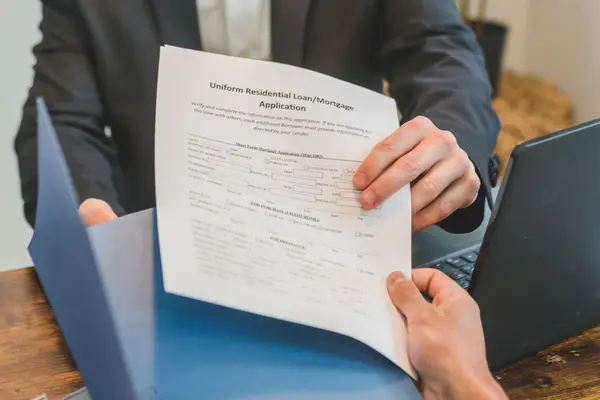
Financing is one of the biggest reasons a transaction can fall apart. Under the OREF 001, the buyer and property must qualify for the loan, and the lender's appraisal must meet the requirements outlined in the agreement. If the buyer's financing is legitimately denied before the applicable deadline, the buyer may generally be entitled to have their earnest money returned.
Appraisal is another common exit point, especially when the agreed purchase price is higher than what the lender's appraisal supports. For example, a home could go under contract for $625,000 but appraise at $600,000, leaving the buyer and seller to decide whether to adjust the price, provide a credit, or have the buyer bring additional cash to closing. If the parties cannot reach an agreement and the buyer has a valid appraisal contingency, the transaction may be terminated.
Inspection can create another opportunity for a buyer to reconsider the purchase. Buyers have a defined period to complete inspections and respond to what they discover, which can include accepting the property, negotiating repairs or credits, or terminating the agreement when permitted. OREF guidance also makes clear that deadlines matter because contingencies can be waived when the buyer does not act within the required period, with financing treated differently under the agreement.
What Happens to the Earnest Money?
This is usually the first question sellers ask when a transaction falls apart, and there is no single answer that applies to every situation. If the buyer terminates during a valid contingency period and provides the required written notice, the earnest money will generally be returned to the buyer. In that situation, the contingency is doing exactly what it was designed to do.
The situation can be very different if a buyer walks away without a valid contingency or without following the required notice provisions. Depending on the terms of the agreement and the circumstances, the seller may have a claim to the earnest money as liquidated damages. The specific language in the signed OREF agreement matters, so sellers should look at the actual contract rather than assuming there is a simple statewide rule that determines the outcome.
Disputes over earnest money can become more complicated when the buyer and seller disagree about who is entitled to the funds. The standard OREF agreement includes an arbitration provision for certain disputes, which means the issue may need to be resolved through that process rather than simply having one side take the money. More serious situations can involve additional legal questions, but routine appraisal or inspection cancellations are very different from a buyer simply refusing to perform without a contractual basis.
What Should You Do Before Relisting?
Once a transaction falls through, the natural reaction is to get the property back on the market as quickly as possible. That can make sense, but relisting the home at the exact same price with the exact same strategy may not be the best response. Before putting the property back in front of buyers, it is worth understanding why the first deal failed.
One of the first questions new buyers may ask is why the previous transaction did not close. You do not necessarily have to volunteer every document from the previous transaction, but having a clear and honest explanation can make the second listing easier to navigate. A low appraisal, financing issue, and serious inspection concern tell very different stories about the property.
A previous inspection can also create a disclosure issue that sellers should not ignore. Oregon's seller disclosure requirements under ORS 105.464 and 105.465 generally require sellers to disclose known material facts about the property, including certain defects discovered during a previous transaction. That means a problem uncovered during the first sale may still need to be disclosed to the next buyer, whether or not the seller ultimately decides to make the repair.
Should You Change the Price After a Failed Sale?
Pricing is another part of the conversation that deserves a fresh look. If the previous buyer walked away because the home appraised below the contract price, that appraisal provides information about how the property was viewed by a lender's valuation process. It does not automatically establish the home's true market value, but ignoring the information and repeating the same strategy can create another difficult transaction.
The current market also matters because buyers and sellers do not operate in the same conditions every year. A price that attracted multiple offers in a highly competitive market may receive a very different response when buyers have more choices and properties are taking longer to sell. Looking at recent comparable sales, current competition, and the reason the previous deal failed can help explain whether the original pricing strategy still makes sense.
The goal is not necessarily to lower the price just because a transaction failed. It is to understand whether the previous deal revealed something about the property's condition, value, buyer demand, or financing environment that should be considered before the next listing. A second launch works better when it responds to what actually happened instead of pretending the first transaction never existed.
Local Context: What a Fallen-Through Sale Means in Canby
Canby's market has changed significantly from the frenzy many sellers remember from 2021 and 2022. Current market conditions have generally provided buyers with more time to evaluate properties, while sellers may have fewer backup offers waiting when a transaction falls apart. That makes the reason behind a failed sale more important than simply getting the property back online.
For a Canby seller, a property that returns to the market may attract questions from buyers who noticed it had previously been under contract. They may want to know whether the issue involved financing, an appraisal, an inspection, or something else. Having a straightforward explanation and making sure the listing accurately reflects the property's current condition can help avoid unnecessary uncertainty.
The same idea applies in Oregon City and other communities throughout the North Willamette Valley. Market conditions vary from one neighborhood and price range to another, so a failed transaction should be viewed in the context of what buyers are actually doing in that specific market. The more accurately you understand the reason for the cancellation, the easier it becomes to decide what needs to change before the next buyer comes along.
What the First 48 Hours Can Tell You
The first few days after a sale falls through can feel like a setback, but they can also provide useful information. Instead of immediately assuming the property needs a lower price or that the buyer was simply not serious, start by identifying exactly what caused the transaction to end. The answer can determine what needs attention before the property is marketed again.
If financing was the issue and the property itself was not the problem, the next transaction may look completely different with another qualified buyer. If an appraisal created the problem, the previous contract price may need to be evaluated against current market data. If an inspection uncovered a material defect, the seller may need to consider both the repair decision and the disclosure requirements before moving forward.
This is also the time to review the timeline and paperwork from the previous transaction. Knowing whether the buyer acted within the applicable contingency period and provided the required notice can help clarify what happens to the earnest money. When there is disagreement about the contract, getting the right professional guidance before taking action can be much better than making assumptions based on what happened in another transaction.
What This Means for You
If your Canby, Oregon City, or other Oregon home sale just fell through, the first step is to understand why. Was it financing, an appraisal, an inspection issue, or something else, and did the buyer exercise the applicable contingency correctly and on time? Those details can affect both the earnest money and what happens next.
From there, take an honest look at what the transaction revealed about the property and the market. A low appraisal may raise questions about pricing, an inspection issue may create repair and disclosure considerations, and a financing problem may have more to do with the buyer than with the home itself. Each situation calls for a different response, which is why simply putting the same listing back online is not always the best strategy.
The good news is that a failed sale does not necessarily mean something is wrong with your home. Sometimes a transaction falls apart because of circumstances that have little to do with the property's value or condition, and sometimes the process reveals an issue that needs to be addressed before trying again. The important part is learning from the first transaction and using that information to make the next one stronger.
A home sale falling through can be frustrating, but it does not have to define what happens next. When you understand the reason for the cancellation, review the contract carefully, address any disclosure or property concerns, and relaunch based on current market conditions, you can move forward with a much clearer picture of what the next buyer may need.
Jennifer Schurter serves buyers, sellers, and investors throughout South Clackamas County and the North Willamette Valley — including Canby, Oregon City, Wilsonville, Aurora, Hubbard, Molalla, Woodburn, Newberg, Sherwood, Tualatin, West Linn, Lake Oswego, and the greater Portland metro south. Her goal is simple: to be the most knowledgeable, most responsive, and most genuinely helpful real estate agent in the area — every single time. Jennifer is a licensed Oregon real estate broker with Real Broker LLC.
Ready to talk through your next move? Schedule a time with Jennifer here. No pressure, no pitch — just a real conversation.
Categories
Recent Posts









“I see my job as a Real Estate Advisor is to educate consumers about the realities of the Real Estate market of today. If you're ready to learn more about what it could mean for you to buy, sell, or invest in Real Estate, let's connect!"