
Frog Pond Wilsonville New Construction: Buyer Guide
Buying New Construction in Frog Pond, Wilsonville: What to Know Before You Sign
If you're looking at a new build in Wilsonville's Frog Pond area, the biggest thing to understand up front is this: you're not just buying a house, you're buying into a master-planned neighborhood that's still being built out around you. The purchase agreement is different from a standard resale contract, the pricing works differently, and the timeline depends on infrastructure the city and the builder are still finishing. None of that is a reason to avoid it. It just means you need to walk in knowing how the process actually works.
What Frog Pond Actually Is
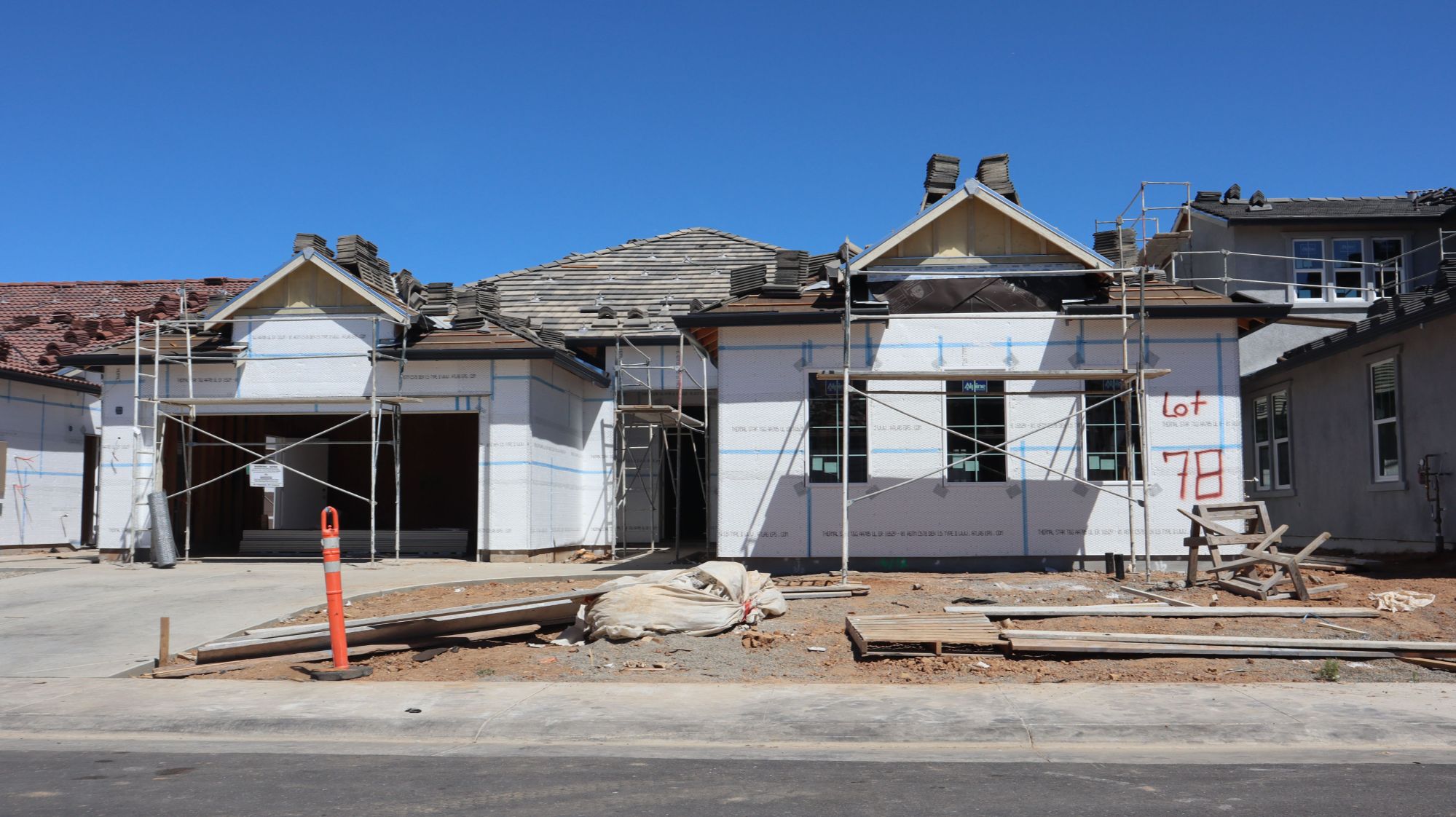
Frog Pond sits on the north side of Wilsonville and has been in active planning since the city adopted its original area plan in 2015. It's since split into three master plan zones: Frog Pond West, Frog Pond East, and Frog Pond South, each moving through infrastructure buildout and home construction on its own schedule. Wilsonville's planning department has published detailed master plans for each section covering where homes, parks, trails, streets, and utility lines go over the next 10 to 20 years.
That long build-out timeline matters for buyers. Builders active in Frog Pond right now, including Pulte, Stone Bridge Homes NW, David Weekley Homes, and Ichijo, are working in phases. A phase you're buying into today may have a finished elementary school and paved streets, while the phase next door is still raw dirt with a construction fence around it. Ask specifically which phase your lot sits in and what infrastructure is actually complete versus planned, not just what the builder's sales map shows.
The area is served by the West Linn-Wilsonville School District, and a new elementary school within walking distance of several Frog Pond communities has been in the pipeline for the 2026-2027 school year. If school assignment matters to your decision, confirm the specific boundary for your lot directly with the district rather than assuming based on a builder's marketing materials, since boundaries can shift as new schools open.
Reading a Builder Contract Instead of a Standard Purchase Agreement
Here's the part that catches people off guard: when you buy new construction directly from a builder, you're usually not signing the standard OREF purchase agreement that governs most Oregon resale transactions. You're signing the builder's own contract, drafted by the builder's attorneys, for the builder's benefit. Oregon does have a form built for this, OREF 006 (New Residential Construction Sale Agreement), but many production builders use their own paperwork instead, and terms can vary meaningfully between builders even within the same Frog Pond development.
Pay close attention to a few sections specifically. First, earnest money and when it becomes non-refundable. On new construction in the Portland metro area, earnest money commonly runs 1% to 3% of the purchase price, and many builder contracts convert that deposit to non-refundable status well before your loan is finalized or your inspection contingencies would normally protect you on a resale deal. Second, look at the builder's right to substitute materials or finishes if a specific product becomes unavailable. Third, check how price escalation clauses work if the home isn't finished for several months. Fourth, understand what happens to your deposit if the builder misses the completion date, since builder contracts often protect the builder's timeline far more than a resale contract would protect a seller's.
This is also where having your own buyer's agent, rather than working directly with the builder's on-site sales representative, actually matters. Oregon's House Bill 4058 requires a written buyer representation agreement before an agent submits an offer on your behalf, and that agreement puts someone in your corner who is reviewing the builder's contract for your interests specifically. The sales rep at the builder's model home works for the builder. That doesn't make them dishonest, but it does mean nobody there is looking out for your side of the deal unless you bring someone who is.
Pricing, Upgrades, and What You're Actually Comparing
New construction pricing in Frog Pond isn't quoted the same way resale listings are. The base price you see on a builder's website or in a listing typically reflects the entry-level lot and standard finish package. Lot premiums for larger parcels, corner lots, or lots backing to open space or trails can add tens of thousands of dollars before you've selected a single upgrade. Structural options, like adding square footage, a bonus room, or shifting a floor plan, need to be locked in early in the build process and typically cost more than the same change made after closing. Cosmetic upgrades, cabinets, countertops, flooring, and fixtures, come later in a design center appointment and can add up quickly if you don't set a budget going in.
According to Redfin's living-in guide for Wilsonville, the citywide median sale price is running around $676,000, with homes typically spending about 41 days on the market. That figure blends resale and new construction, established neighborhoods and newer ones like Frog Pond, so treat it as general market context rather than a direct stand-in for what a specific new build will cost you. If you're comparing a Frog Pond new-construction quote to nearby resale listings, make sure you're comparing against homes of similar size, condition, and finish level, not just similar square footage, since a brand-new home and a 20-year-old resale home carry very different maintenance and system-life assumptions even at the same price point.
It's also worth asking what system development charges and infrastructure fees are baked into your price versus billed separately. Wilsonville has published specific infrastructure fee schedules tied to Frog Pond East development, covering things like sewer trunk line upgrades, neighborhood parks, and trail connections. Builders generally roll these costs into your purchase price, but it's a fair question to ask directly so you understand what you're funding as part of the neighborhood's continued build-out.
Financing New Construction
Financing a new build works differently depending on whether you're buying a spec home already under construction or recently completed, versus a to-be-built home where you're locking in a rate months before the home is ready. For spec or near-complete homes, financing looks close to a standard resale purchase: you get pre-approved, the home appraises, and you close on a set date. For to-be-built homes, ask your lender about rate-lock options extending through the build period, since a standard 30- or 45-day lock won't cover a home that isn't finished for six months or more.
As of mid-September 2026, Freddie Mac's Primary Mortgage Market Survey put the average 30-year fixed rate at 6.95%, up from 6.76% just a week earlier. Builders sometimes offset rate movement like this with their own financing incentives through a preferred or in-house lender, including temporary rate buydowns or closing cost credits. Those incentives can be genuinely useful, but always run the builder's preferred lender numbers side by side against at least one outside lender quote before assuming the incentive makes it the better overall deal. A rate buydown that only lasts a year or two, paired with a slightly higher price, can end up costing more over time than a straightforward market-rate loan on a lower base price.
What This Means for You
If you're seriously considering a new build in Frog Pond, start by getting clear on exactly which phase and lot you're looking at, and what infrastructure around it is actually finished today versus scheduled. Bring your own buyer's agent to the table before you tour a model home, not after you've already started talking price with the builder's rep, so someone is reviewing the contract language on your behalf from the first conversation. Set an upgrade budget before your design center appointment so you're not making six-figure finish decisions on the spot. And get your financing lined up early, comparing the builder's preferred lender against an outside option, especially with rates sitting close to 7% right now.
New construction in a growing area like Frog Pond can be a genuinely good move. It comes with a warranty, modern systems, and the chance to pick finishes that fit how you actually want to live. It's just a different process than buying an existing home, and the buyers who do well with it are the ones who go in understanding those differences ahead of time rather than learning them mid-contract.
Jennifer Schurter serves buyers, sellers, and investors throughout South Clackamas County and the North Willamette Valley — including Canby, Oregon City, Wilsonville, Aurora, Hubbard, Molalla, Woodburn, Newberg, Sherwood, Tualatin, West Linn, Lake Oswego, and the greater Portland metro south. Her goal is simple: to be the most knowledgeable, most responsive, and most genuinely helpful real estate agent in the area — every single time. Jennifer is a licensed Oregon real estate broker with Real Broker LLC.
Ready to talk through your next move? Schedule a time with Jennifer here. No pressure, no pitch — just a real conversation.
Categories
Recent Posts






“I see my job as a Real Estate Advisor is to educate consumers about the realities of the Real Estate market of today. If you're ready to learn more about what it could mean for you to buy, sell, or invest in Real Estate, let's connect!"