
New Construction Homes Canby Oregon: What to Know

New Construction Homes in Canby Oregon: What to Know Before You Buy
Buying a newly built home in Canby is genuinely exciting — and it can also catch you completely off guard if you walk in unprepared. Builders have their own contracts, their own timelines, and their own preferred lenders, and none of that is designed with your interests as the priority. Here's what you actually need to know before you sign anything.
What's Being Built in Canby Right Now
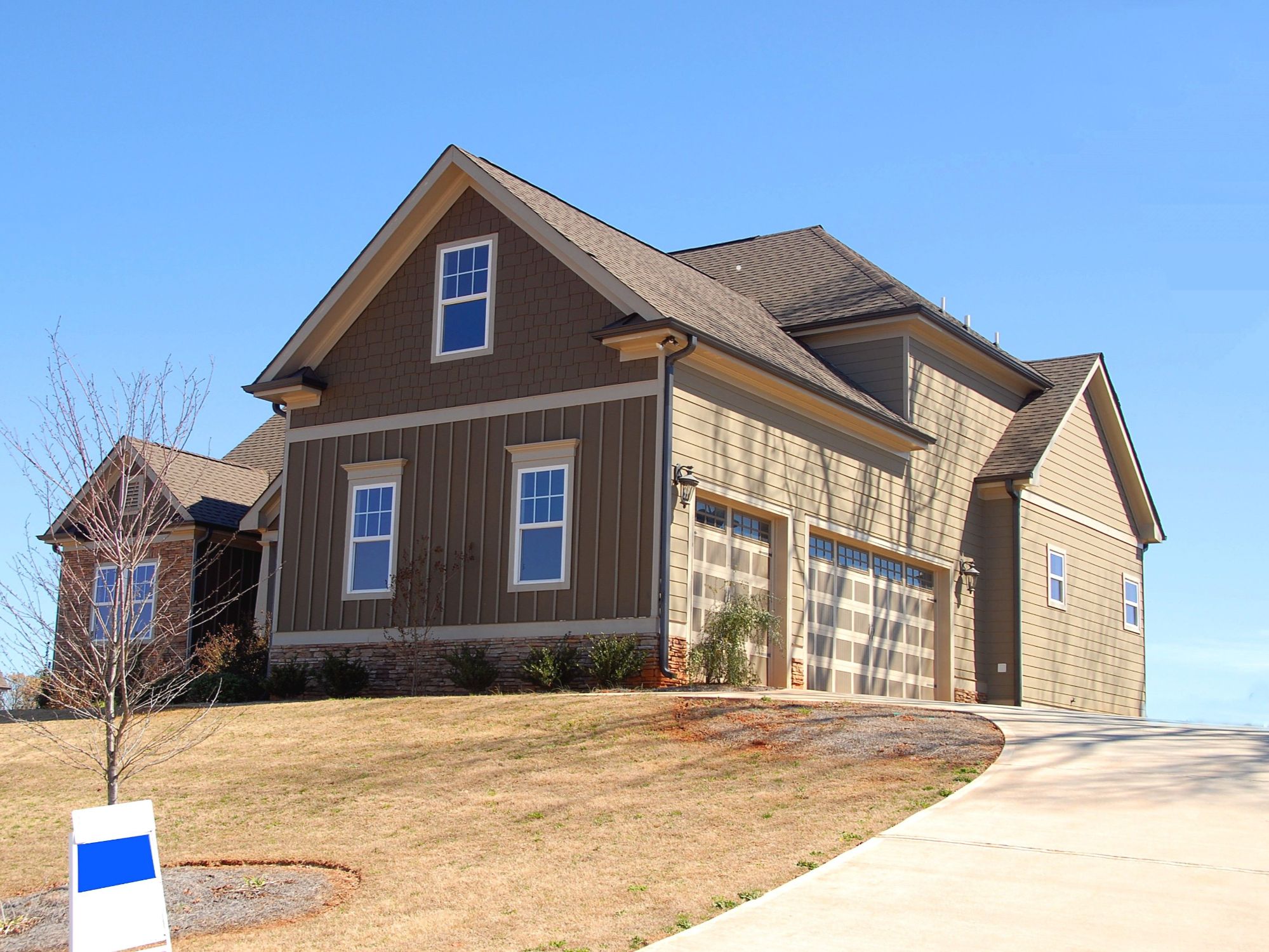
Canby has seen consistent new construction activity over the past several years, and that continues into 2026. Pahlisch Homes is the most active builder in town, with homes at their Mark's Place at Tofte Farms community in southeast Canby — a planned neighborhood with paved trails, pickleball courts, a playground, and community amenities. Recent listings from Pahlisch in Canby have been priced in the $625,000–$785,000 range depending on floor plan and finish level.
Stone Bridge Homes has also been active with their Dahlia Glen community, offering new construction on the edge of Canby. Dahlia Glen homes sit about 20 miles from Portland and 30 miles from Salem, in a quieter residential setting that reflects Canby's overall character.
Canby's appeal for new construction buyers comes from its small-town feel, its walkable downtown, and access to open space that's simply not available closer to the metro. Lots tend to be larger than what you'd find in infill development farther north, and the pace of life is genuinely different. That's what draws people here — not a price comparison, but a lifestyle difference.
The Builder's Contract Is Not Like a Standard Resale Purchase Agreement
This is the part that surprises most buyers. In a typical resale transaction, you use OREF forms — Oregon Real Estate Forms — which are designed to be balanced between buyer and seller. Builder contracts are written by the builder's legal team. They are explicitly designed to protect the builder.
What that means in practice: timelines are often flexible for the builder and binding for you. Your deposit may be non-refundable after a short window. Earnest money on new construction in Oregon commonly runs 1–3% of the purchase price — on a $700,000 home, that's $7,000–$21,000 that you could forfeit if your circumstances change after the contingency period expires. Builders will often limit or exclude inspection contingencies entirely on spec homes, and they may have provisions allowing them to adjust the final price based on material cost escalations.
You can and should read every page before signing. Many buyers skip this because the sales process feels friendly and low-pressure — but the contract is the contract. If something is confusing, that's a legitimate reason to pause.
Upgrades: The Design Center Is Where Budgets Expand Fast
Most builders offer a base price that reflects a standard finish package, and then invite you to tour their design center to select your upgrades. This is where new construction buyers routinely spend $20,000–$60,000 more than they planned.
Upgraded flooring, kitchen packages, cabinet hardware, countertop edge profiles, trim details, garage doors, landscaping packages — it adds up quickly because each item feels like a small decision. A $3,000 flooring upgrade. A $2,500 countertop upgrade. An $1,800 lighting package. The total can be staggering by the time you close the design center appointment.
A few things worth knowing: not every upgrade has the same return on value. Structural options — adding square footage, upgrading the floor plan layout, adding a three-car garage or covered patio — tend to hold their value better than cosmetic finish choices. Finish choices can be changed later; floor plan changes usually can't. Prioritize accordingly.
Also: if you're financing, confirm with your lender how the upgrade costs will be handled. In many cases, they need to be included in the original appraisal to be financed as part of the mortgage. Builders sometimes have workarounds, but it's worth understanding your loan product before you finalize your design center selections.
Builder Preferred Lenders: The Incentive Trade-Off
Almost every builder has a preferred lending partner, and they'll offer incentives — closing cost credits, rate buydowns, or design center credits — to buyers who use that lender. These incentives can be genuinely valuable. A $10,000 closing cost credit is real money.
But there's a trade-off worth understanding. The builder's preferred lender may not offer the most competitive rate on the market. Even a 0.125% rate difference compounds significantly over 30 years on a $650,000 loan. The accepted practice is to get pre-approved by an outside lender first so you have a baseline — then compare what the builder's preferred lender is actually offering before deciding.
Since the NAR settlement took effect in August 2024, buyer representation agreements are required before touring. This also changed how builders handle buyer agent compensation — structures vary by community now, so it's worth understanding this upfront rather than discovering it after you've toured and fallen in love with a floor plan.
Warranties on New Oregon Homes: What's Actually Covered
Oregon builders are required to include a warranty offer against defects in materials and workmanship in all new residential construction contracts. The industry standard follows what's called a 1-2-10 structure:
• 1 year for workmanship defects (how the home was built — nail pops, grout cracking, caulk separation) • 2 years for systems defects (HVAC, plumbing, electrical) • 10 years for structural defects (foundation, load-bearing walls, roof structure)
What this doesn't mean: that the builder will fix everything you notice without any pushback. Document defects in writing. Use the builder's formal warranty request process. And seriously consider getting an 11-month inspection — a professional home inspection done just before your one-year workmanship warranty expires. This is where buyers most often recover real repair value before coverage lapses.
Also: get an independent home inspection before closing, even on a brand-new home. Municipal inspections confirm code compliance; a buyer's inspection catches things the city inspector isn't specifically looking for — rough grade drainage issues, HVAC calibration, minor framing concerns. "It's new, so it's fine" is a gamble that sometimes costs buyers money later.
What the Canby Market Looks Like Right Now
According to Movoto data from June 2026, 118 homes sold in Canby in June — up from 105 in June 2025. Homes are averaging 51 days on market, compared to 65 days last year. The Altos Research Market Action Index for Canby hit 61 as of July 10, 2026, which puts the market in seller's advantage territory and suggests demand is outpacing inventory.
New construction in the $625,000–$785,000 range is where most of Canby's active builder activity sits. That price range reflects a well-appointed 3–4 bedroom home with quality finishes — typically on a standard suburban lot in one of the planned communities.
For buyers comparing new construction to resale, the advantage of new isn't just the condition — it's the ability to choose finishes, start with a warranty, and not compete with sellers who want to close in 30 days when you need 90. The trade-off is timeline uncertainty and the contract dynamics described above.
What This Means for You
If you're seriously considering new construction in Canby, a few things will serve you well:
Register your buyer's agent before you visit a model home. Once you walk in unregistered, most builders consider you a direct customer. If you later want representation, the window may be closed. Bring your agent — or at minimum, call one before your first visit — so your representation is documented from the start.
Read the contract before the excitement does. The model home and design center are designed to create enthusiasm. The contract is a separate, sober document. Read it that way.
Know what "base price" actually includes. Ask the sales agent to walk you through exactly what the base package covers — flooring, appliances, countertops, landscaping, fencing. What you see in the model is usually not the base package.
Ask about the delivery timeline and what happens if it slips. Construction delays happen. Make sure you understand what your options are if the home isn't ready when expected, especially if you're selling your current home or have a lease ending.
New construction in Canby can be a genuinely excellent move. The communities are thoughtfully planned, the builders active here have solid track records, and Canby itself is the kind of place people tend to stay once they land. Going in with clear eyes just means fewer surprises on the other side.
Jennifer Schurter serves buyers, sellers, and investors throughout South Clackamas County and the North Willamette Valley — including Canby, Oregon City, Wilsonville, Aurora, Hubbard, Molalla, Woodburn, Newberg, Sherwood, Tualatin, West Linn, Lake Oswego, and the greater Portland metro south. Her goal is simple: to be the most knowledgeable, most responsive, and most genuinely helpful real estate agent in the area — every single time. Jennifer is a licensed Oregon real estate broker with Real Broker LLC.
Have questions or want to get started? Connect with Jennifer here: https://jenniferschurterhomes.
Categories
Recent Posts









“I see my job as a Real Estate Advisor is to educate consumers about the realities of the Real Estate market of today. If you're ready to learn more about what it could mean for you to buy, sell, or invest in Real Estate, let's connect!"