
Walkable vs Rural Living Near Canby, Oregon
Walkable vs Rural Living Near Canby: Which Lifestyle Fits You Best?
Canby isn't one thing. Depending on where you land in this small Clackamas County city, your daily life could look like a short walk to coffee and the farmers market — or a long gravel driveway, a shop out back, and the nearest neighbor a quarter mile away. Both exist here. And for relocating buyers, understanding which version of Canby you're actually buying into matters more than almost any other decision you'll make.
The question isn't which option is better. It's which one fits how you actually live.
What "Walkable Canby" Actually Looks Like
Downtown Canby — the stretch centered around NE 2nd Avenue and Wait Park — is a genuine walking neighborhood. Walk Score data puts the downtown core as "Very Walkable," with most errands reachable on foot. The Canby Farmers Market, the historic Canby Depot Museum, local coffee shops, and Main Street businesses are all within easy range on foot. If you buy in or near the downtown core, you're in one of the more walkable small cities in this part of Oregon.
The homes that support that lifestyle tend to be older, with character that newer subdivisions simply don't have — Craftsmans, mid-century ranches, and a handful of Victorian-era houses. Lots are typically smaller, in the 5,000 to 8,000 square foot range. Prices in this zone land in Canby's entry to mid tier, with well-priced homes still finding buyers quickly.
What you get in the walkable core is community proximity. The kind where you recognize people at the hardware store, where the coffee shop knows your order, where walking the dog after dinner doesn't require getting in the car. If you've come from a more urban environment and you're not quite ready to give up all of that texture, the downtown Canby pocket can bridge the gap more than most people expect from a city this size.
What "Rural Canby" Actually Looks Like
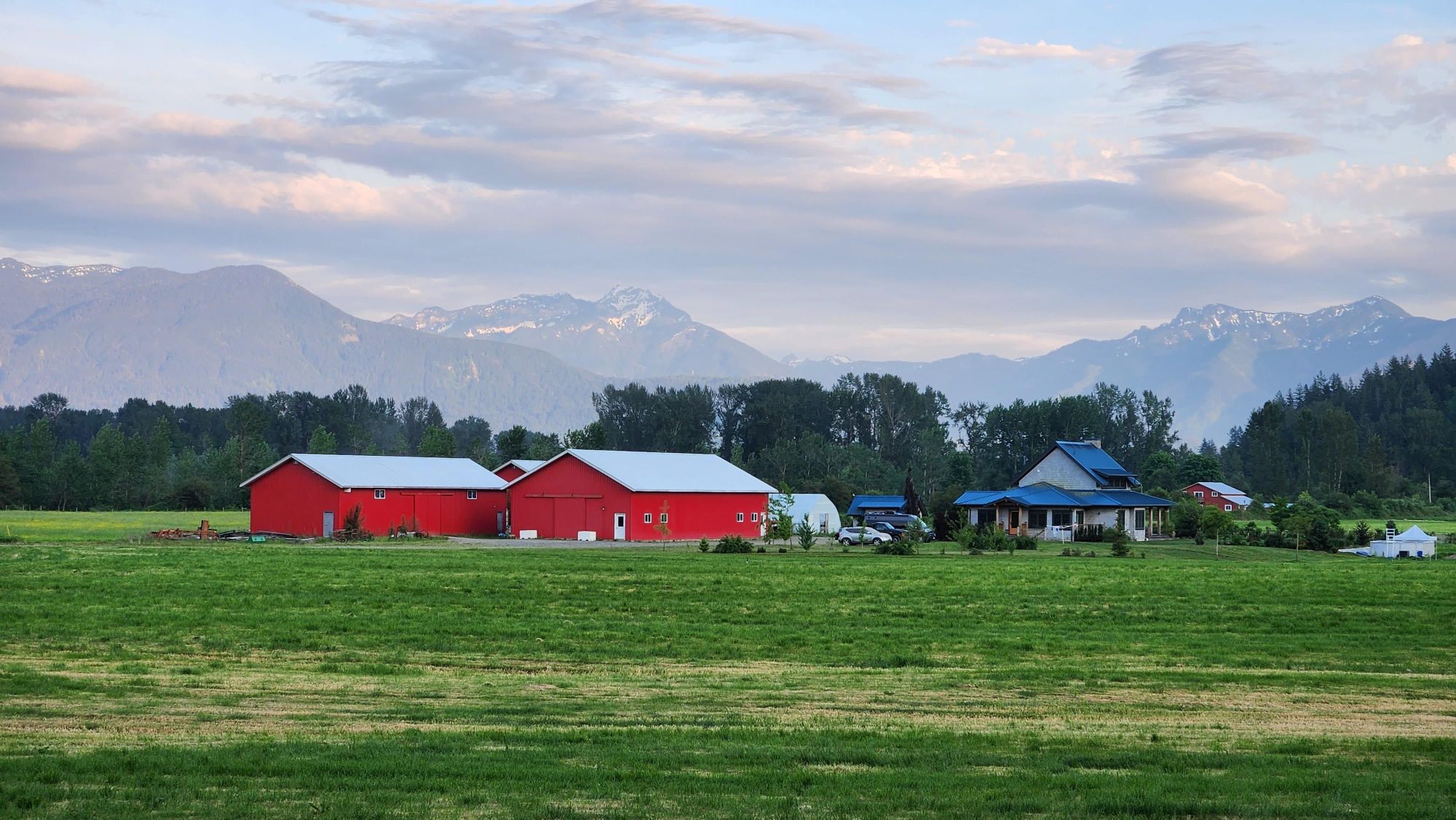
Outside of downtown and the newer subdivisions, Canby transitions quickly into something different. Northwest Canby, Riverside, and the parcels that ring the city's edge offer acreage, genuine space between neighbors, and the kind of property profile — shops, barns, large lots, agricultural views — that draws buyers who specifically came here for that life.
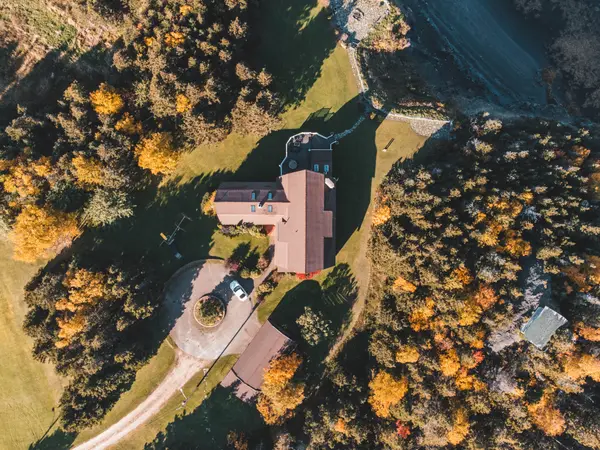
These are properties where you might get a half-acre to several acres, room for an RV, a detached shop or barn, views toward Mount Hood or the Willamette Valley edge, and no immediate neighbors on your sightlines. Altos Research data from 2026 shows the top quartile of Canby listings — where most of this rural-edge inventory sits — at a median around $972,000, with approximately 2,950 square feet on parcels of two to five acres. The buyer profile is specific: someone who genuinely needs the land and has thought seriously about what that daily life looks like, not just what it looks like in photos.
What you give up in the rural fringe is convenience. Groceries require a drive. So does everything else. If you have a busy schedule, the mental math of errand distance adds up faster than you'd expect. Rural Canby rewards buyers who have actually lived a rural-adjacent life before — people who know they want a shop, who understand well and septic maintenance, and who genuinely value the space over the proximity.
The Subdivisions in the Middle
Most of Canby's active inventory sits between those two poles — in the newer subdivisions and established residential neighborhoods that make up the majority of the city. Southeast Canby, where Tofte Farms and new construction by builders like Pahlisch Homes are concentrated, is the most active growth zone right now. Homes there start around $634,900 for new construction, with current finishes and views toward open farmland and Mount Hood.
Northeast Canby — Northwood Estates and surrounding streets — is the established residential zone with mature trees, lots in the 6,000 to 10,000+ square foot range, and a suburban feel without density. These are the neighborhoods that feel genuinely lived in rather than freshly subdivided. Southwest Canby offers the most square footage per dollar, particularly for buyers who don't need everything updated.
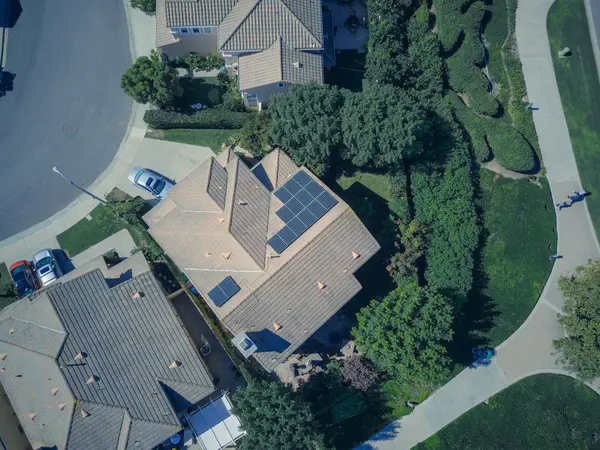
None of these neighborhoods are "rural" in the acreage sense, and none of them are walkable in the downtown sense. They're the suburban middle of Canby — car-dependent for most errands, but close to the schools, parks, and local services that most buyers actually use day to day.
The Commute Question Is Part of This Decision
Wherever you land in Canby, the commute to Portland is real and worth being honest about. Most routes put you 35 to 50 minutes from downtown Portland on a normal day — longer during peak hours on Highway 99E through Oregon City, or when I-205 construction slows things down.
If you're hybrid or remote, this is manageable and often easily worth the trade-off in space and pace. If you're commuting five days a week to downtown Portland, Canby is going to test your patience over time. Most Canby residents who do commute are heading to Wilsonville, Oregon City, the south metro industrial corridor, or Lake Oswego — not deep into Portland. The geography favors south metro employers far more than downtown ones.
That commute calculus is also different depending on where in Canby you live. If you're in the downtown core and your partner works locally while you work remotely, you can function quite well without using your car much during the week. If you're on a rural parcel five miles from downtown Canby, you're driving for everything — and any commute on top of that starts from that baseline.
What the Market Looks Like Right Now
Redfin's March 2026 data puts Canby's median sale price at $546,000, up 7.3% year over year, with homes selling in a median of 22 days. That's the headline number. Altos Research's late April 2026 data tells a more complete story: the average days on market sits at 115, and the median across all listings is 56 days. The spread reflects a market with two modes — well-priced, move-in-ready homes in the middle tier that go quickly, and properties that came in overpriced or need significant work, sitting until they adjust.
Active inventory in Canby is up nearly 19% year over year. That's meaningful for relocating buyers: you have more options, more room to negotiate, and less pressure to decide in 48 hours than buyers faced in 2021 and 2022. The Altos Research market action index reads around 35, which leans slightly toward sellers but is far closer to balanced than the frenzy of recent years.
For rural-end properties — the acreage parcels and estate-scale lots — inventory tends to be thinner and days on market longer. Buyers with specific land requirements often have fewer options and occasionally find themselves competing when the right property hits. For downtown Canby and the mid-tier subdivisions, the inventory picture is more favorable to buyers than it's been in some time.
What This Means for You
The honest framework for this decision starts with your daily life, not your ideal Saturday.
If your typical week involves evening errands, weekend activities in town, and occasional meetups locally — the walkable downtown core or the established mid-city neighborhoods probably serve you better than a rural parcel that turns every task into a car trip. If your daily life involves working from home, projects in a shop, space for animals or a garden, and you genuinely don't need to be somewhere walkable — then rural Canby is built for you, not as a compromise.
The other question to answer honestly: how often will you actually use what you're paying for? Rural properties come with rural property maintenance. Septic systems, wells, long driveways, larger lots to manage. Some buyers love that. Others are surprised by how much it adds to their time and costs in year two and three.
Canby as a whole offers something genuinely rare in the Portland metro: the ability to choose your version of it. Small-town walkable, suburban residential, or rural edge — all within city limits or a short drive. That flexibility is exactly why relocating buyers who do their research tend to land here with conviction.
Jennifer Schurter serves buyers, sellers, and investors throughout South Clackamas County and the North Willamette Valley — including Canby, Oregon City, Wilsonville, Aurora, Hubbard, Molalla, Woodburn, Newberg, Sherwood, Tualatin, West Linn, Lake Oswego, and the greater Portland metro south. Her goal is simple: to be the most knowledgeable, most responsive, and most genuinely helpful real estate agent in the area — every single time. Jennifer is a licensed Oregon real estate broker with Real Broker LLC.
Have questions or want to get started? Connect with Jennifer here. She'd love to hear from you.
Categories
Recent Posts







“I see my job as a Real Estate Advisor is to educate consumers about the realities of the Real Estate market of today. If you're ready to learn more about what it could mean for you to buy, sell, or invest in Real Estate, let's connect!"