
Moving to Oregon From CA or WA: Housing Differences to Know

Moving to Oregon From California or Washington: Housing Differences to Expect
If you're relocating to Oregon from California or Washington, the housing market here will feel familiar in some ways — and catch you off guard in others. Prices are lower than California, yes. But the contracts look different, the tax structure flips in ways you may not expect, and the market dynamics in smaller Oregon cities don't behave like the big coastal metros you're used to. Here's what to know before you start shopping.
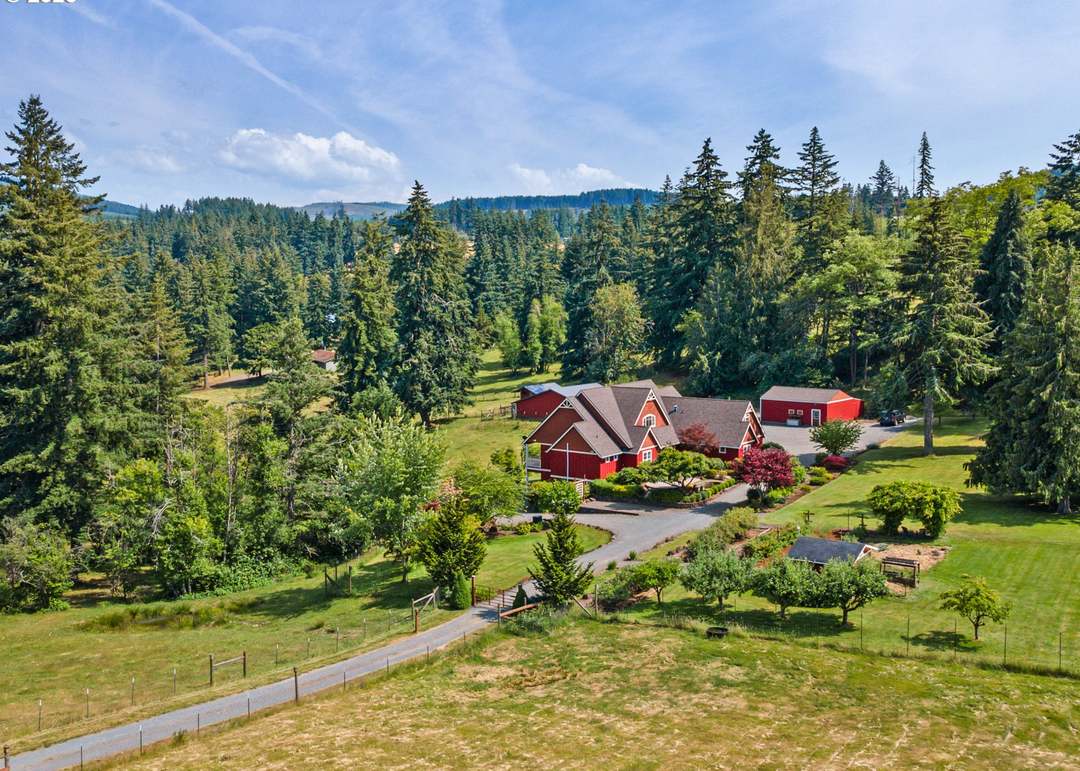
The Price Reality: It's Not Just Numbers
Oregon's statewide median home sale price was $508,323 in April 2026, up 0.7% year over year, with homes spending a median of 42 days on market, according to Redfin. That's a very different picture from California, where the California Association of Realtors pegged the statewide median at $905,000 for 2026 — or from major metros like Los Angeles ($1.15M median listing) and San Diego ($880K median listing), per Realtor.com data.
What that gap actually means in practice depends on where in Oregon you land. Canby's median sale price hit $546,000 in March 2026 (Redfin), and homes there are moving in around 22 days — faster than the statewide average. Oregon City came in at $581,000 in February 2026 with an 18-day median. Wilsonville sits higher at $635,000–$681,000 with a longer average DOM of 89 days, largely due to a wider spread between well-priced homes (which still go pending in roughly 55 days) and overpriced listings that sit.
The practical translation for California buyers: your dollar stretches significantly here. For Washington buyers moving down from the Clark County or King County side, the price gap is narrower — but it's still real outside Portland.
One important note: comparing median prices across different-sized markets only tells part of the story. California's median covers an enormous range of housing stock and geography. Oregon's median reflects a fundamentally different market. What you're really gaining here is land, space, and a different pace — not just a lower sticker price.
The Tax Trade-Off No One Warns You About
This is where the biggest surprises live, and it's different depending on which state you're coming from.
If you're coming from California: Oregon's top income tax rate is 9.9%, applied to income above $125,000 (single) or $250,000 (joint). California's top rate is 13.3%. So you'll see income tax relief — but don't assume it's dramatic until you run your actual numbers. Property taxes are broadly similar: Oregon's average effective rate runs about 0.93%, California's about 0.73% (Rocket Mortgage). The major win for Oregon? No sales tax. Zero. California's sales tax starts at 7.25% and goes higher in many counties. If you're a high-spending household, that adds up quickly.
If you're coming from Washington: Washington has no state income tax — full stop. Moving to Oregon means picking up a state income tax bill that often runs 8.75%–9.9% for middle-to-upper income earners. That's the trade-off almost no one talks about until after closing. On the other side, Oregon has no sales tax while Washington's ranges from 7.8%–10.4%+ depending on location (Clark County runs 7.8%–8.8%). Property taxes in both states are in a similar range — roughly 0.83%–0.99% effective rate. But Washington charges a real estate excise tax when you sell — starting at 1.6% of the sales price and going higher, based on tiers. Oregon has no comparable statewide excise tax on home sales.
For Clackamas County specifically (where Canby, Oregon City, and Wilsonville sit), effective property tax rates run approximately 0.99%, per county data. On a $546,000 home, that's roughly $5,400 per year.
How Oregon Real Estate Contracts Work
Oregon uses standard forms from the Oregon Real Estate Forms (OREF) library — and if you're coming from California or Washington, some details will be unfamiliar.
Oregon is an "as-is" state in the sense that sellers must disclose known defects (using a detailed seller disclosure form), but buyers are expected to do their own due diligence through inspection. Inspection periods are typically 10 business days. Buyers can request repairs via an OREF repair addendum — but sellers are not legally required to fix everything. What's negotiated often comes down to how the offer is structured and how competitive the market is at that moment.
Oregon uses title companies for closings — not attorneys. The timeline from accepted offer to closing typically runs 30–45 days. Earnest money is deposited with escrow early in the process and is at risk if a buyer backs out outside of contingency periods.
One thing California buyers find notably different: Oregon doesn't allow buyer's agent commissions to be baked into listing agreements the same way, and the post-NAR settlement landscape has made buyer broker agreements a front-of-transaction conversation. You'll sign an agreement with your agent upfront defining compensation terms before touring homes.
What the Market Actually Looks Like on the Ground
Oregon's market has been moderating. Statewide inventory is rising and days on market have ticked up from a year ago. That's buyer-friendly news compared to the frenzied pace of 2021–2022. But "moderating" doesn't mean "slow" everywhere.
Canby and Oregon City are still moving relatively fast. Canby's 22-day median means well-priced homes aren't sitting long. Oregon City's 18-day median (Redfin, February 2026) is similarly brisk. Wilsonville has a wider spread — that 89-day average is pulled up by overpriced listings, while move-in-ready homes priced accurately are still going under contract in 55 days or so.
If you're coming from a hyper-competitive California market, you may be surprised that contingency offers are viable here — and that you're not necessarily competing against 15 offers every time you write one. Altos Research data from April 2026 shows about 42% of Canby-area listings have had price reductions, which tells you sellers are human here too. If you've spent years in a market where offers without contingencies were the floor, Oregon may feel like a breath of air.
For Washington buyers used to the Seattle metro, the dynamics will also feel more measured. Oregon City and Canby don't operate on King County timelines. More inventory, more room to negotiate, more time to actually do your homework.
What This Means for You
If you're coming from California: Run the full tax picture before assuming you'll "save" money on housing. The income tax difference may be smaller than expected, property taxes are comparable, but the absence of sales tax is real and valuable over time. The larger opportunity is quality of life per dollar — what you can get for $500K–$700K in Canby, Oregon City, or Wilsonville is genuinely different from what that range buys in coastal California.
If you're coming from Washington: The income tax adjustment is real, and you should model it carefully before committing. If you've been living in Clark County specifically to avoid Oregon income tax, crossing the river comes with a cost. But if you're coming from further north in Washington, the math may land differently depending on your income. Oregon's no-sales-tax environment offsets some of that over time for most households.
For both groups: The South Clackamas County and North Willamette Valley area tends to attract relocators who want more land, a smaller-city feel, and easier access to the outdoors — without Portland prices or Portland density. These markets have their own character. Canby is small and genuinely community-oriented. Wilsonville has more development and more services. Oregon City has the history and the hillside views. None of them behave exactly like Portland, and none of them should.
If you're still in research mode, one practical step: get pre-approved with an Oregon-licensed lender who knows the area before touring. Inventory moves, and knowing your number precisely — not a rough California or Washington estimate — is what lets you act quickly when something right comes along.
Jennifer Schurter serves buyers, sellers, and investors throughout South Clackamas County and the North Willamette Valley — including Canby, Oregon City, Wilsonville, Aurora, Hubbard, Molalla, Woodburn, Newberg, Sherwood, Tualatin, West Linn, Lake Oswego, and the greater Portland metro south. Her goal is simple: to be the most knowledgeable, most responsive, and most genuinely helpful real estate agent in the area — every single time. Jennifer is a licensed Oregon real estate broker with Real Broker LLC.
Have questions or want to get started? Connect with Jennifer here. She'd love to hear from you.
Categories
Recent Posts










“I see my job as a Real Estate Advisor is to educate consumers about the realities of the Real Estate market of today. If you're ready to learn more about what it could mean for you to buy, sell, or invest in Real Estate, let's connect!"