
Mortgage Pre-Approval in Oregon: What Buyers Need to Know
What Is Mortgage Pre-Approval and Why It Matters in a Competitive 2026 Market
If you're thinking about buying a home in Oregon, getting pre-approved for a mortgage isn't optional — it's the price of entry. Sellers here expect it. Listing agents ask for it before scheduling showings. In a market where well-priced homes still move quickly, a pre-approval letter is what separates a serious buyer from someone who's browsing.
Here's what pre-approval actually means, how it works, and what to watch out for as you prepare.

Pre-Approval Is Not Pre-Qualification — and the Difference Matters
These two terms get used interchangeably, but they are not the same thing, and confusing them can cost you an offer.
Pre-qualification is a quick, informal estimate. You share some basic financial information — often without documentation — and a lender gives you a rough idea of what you might be able to borrow. There's no credit pull, no verification, no real commitment. A pre-qualification letter tells a seller almost nothing.
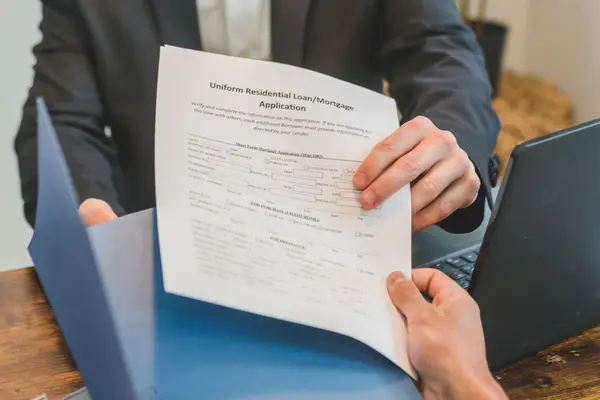
Pre-approval is a formal review. The lender pulls your credit, verifies your income and employment, reviews your bank statements and tax returns, and analyzes your debt load. When you walk away with a pre-approval letter, it means a lender has actually looked at your finances and agreed — conditionally — to lend you up to a specific amount.
In competitive Oregon markets, sellers and their agents know the difference. An offer accompanied by a pre-approval letter carries real weight. One with a pre-qualification letter often gets passed over, especially when other buyers come in with stronger paperwork. According to mortgage industry data compiled in 2026, sellers in tight inventory markets now routinely require pre-approval before even allowing showings on desirable properties.
What Oregon Lenders Want to See
The documentation list for pre-approval is fairly standard across lenders, though the specifics vary by loan type. Most Oregon buyers will need to provide:
- Income verification: Recent pay stubs (last 30 days), W-2s for the past two years, and federal tax returns for the past two years. If you're self-employed, expect to also provide a year-to-date profit and loss statement, two to three months of business bank statements, and a business license or CPA letter.
- Asset documentation: Two to three months of bank statements from all checking, savings, and investment accounts. Lenders want to see that your down payment and reserves are genuinely yours — not a recent deposit that needs explaining.
- Debt picture: Your lender will pull a full credit report. Outstanding student loans, auto loans, credit card balances, and any other monthly obligations factor into your debt-to-income ratio, which is one of the primary approval criteria.
- Credit score: For most conventional loans, lenders look for a score of 740 or above to qualify for the best interest rates. Scores in the 620–680 range may still qualify, but typically at higher rates or with additional requirements. FHA loans have more flexibility, with some lenders approving buyers in the mid-600s. VA loans (for eligible veterans) and USDA loans (for rural and some suburban properties) have their own criteria.
Once you submit your application and documentation, a credit review happens, and you typically receive a pre-approval letter within a few business days — sometimes faster with digital lenders. Most pre-approval letters are valid for 60 to 90 days. If you haven't gone under contract within that window, you'll likely need to refresh the letter, which usually means a quick re-verification of income and possibly a new credit pull.
Why Pre-Approval Is More Important Right Now
Oregon's housing market in mid-2026 isn't a frenzy, but it isn't soft either. FRED data shows Oregon had roughly 17,300 active listings in June 2026 — up meaningfully from prior years, but still historically constrained for a state this size. Statewide median sale prices are running around $524,000–$525,500 as of mid-2026, according to current market tracking. The 30-year fixed rate sits around 6.49% as of July 9, 2026, according to the Portland Appraisal Blog's regional affordability tracker — a rate that snapped back up after a brief downward drift earlier in the summer.
That combination — moderately elevated rates and limited inventory in popular price ranges — means that desirable homes in South Clackamas County and the North Willamette Valley still attract multiple offers when priced right. In that environment, your pre-approval letter isn't just paperwork. It's the thing that tells a seller you're not wasting their time.
There's a practical timing dimension here too. Buyers who get pre-approved before they fall in love with a house have the breathing room to actually think clearly. You know your real budget, you know what your monthly payment looks like at current rates, and you're not scrambling to find a lender while a listing you like sits on the market waiting. Getting pre-approved early puts you in the position where you can act — not scramble.
Common Mistakes That Delay or Derail Pre-Approval
Even buyers with solid finances can run into friction if they're not careful. A few things worth knowing:
Don't make large financial moves before or during the process. Lenders verify your finances right before closing, not just at pre-approval. If you take out a new auto loan, run up a credit card, or move a large sum of money between accounts after getting your letter, it can trigger re-underwriting or jeopardize approval entirely. The rule of thumb: don't change jobs, don't open new credit accounts, and don't make major purchases until the deed is in your name.
Understand what "conditional" means. A pre-approval letter is not a guarantee of a loan. It's a conditional commitment based on your finances as they stand at the time of the letter and on the home you eventually buy meeting the lender's appraisal and property standards. The conditions that typically survive into final underwriting include employment re-verification, a satisfactory home appraisal, and confirmation that no major financial changes have occurred.
Shop around on lenders. Oregon buyers have access to a range of lenders — local credit unions, regional banks, national mortgage companies, and independent mortgage brokers. Rates and fees vary. Multiple credit inquiries for mortgage shopping within a 45-day window are typically treated as a single inquiry on your credit report under FICO's rate-shopping rules, so comparison-shopping won't hurt your score if you do it within that window.
Consider the Oregon Housing and Community Services (OHCS) programs if you're a first-time buyer. Oregon offers down payment assistance and other programs through OHCS that can meaningfully lower the barrier to entry. Eligibility requirements apply, and not all lenders participate, so ask specifically about state programs when you're interviewing lenders.
What the Numbers Look Like in Oregon Right Now
At a 6.49% rate on a 30-year fixed mortgage, here's a quick frame of reference for what buyers in Oregon are working with:
A home at Oregon's statewide median sale price of around $524,000, assuming 20% down ($104,800), puts the loan amount at $419,200. The principal and interest payment at 6.49% comes to approximately $2,645 per month — not including property taxes, homeowner's insurance, or any HOA fees.
In South Clackamas County specifically, prices vary by city and product type. Canby's median has been running around the mid-$500s to mid-$600s depending on the data source and time frame. Knowing your pre-approved amount — and understanding how rate shifts affect that monthly payment — helps you shop realistically and move quickly when the right property comes up.
It's also worth understanding that rates move. A buyer who gets pre-approved today and locks a rate when they go under contract is playing a different game than one who waits months hoping rates fall. Nobody has a reliable crystal ball on rate direction. What's reliable is knowing your numbers and being ready.
What This Means for You
If you're planning to buy a home in Oregon in 2026 — whether that's in the next 30 days or the next six months — getting pre-approved now costs you nothing but a few hours of paperwork and a credit pull. What it gives you is clarity on your budget, confidence in your offer, and the ability to move at the speed the market requires.
Start by gathering your last two years of tax returns, recent pay stubs, and bank statements. Interview at least two or three lenders. Ask each one specifically what loan programs you qualify for, what the APR (not just the rate) looks like, and what origination fees are included. That comparison will tell you more than any rate table.
When you're ready to start looking at homes, the pre-approval letter you bring into that process will make every conversation — with sellers, with listing agents, and with your own buyer's agent — go more smoothly.
Jennifer Schurter serves buyers, sellers, and investors throughout South Clackamas County and the North Willamette Valley — including Canby, Oregon City, Wilsonville, Aurora, Hubbard, Molalla, Woodburn, Newberg, Sherwood, Tualatin, West Linn, Lake Oswego, and the greater Portland metro south. Her goal is simple: to be the most knowledgeable, most responsive, and most genuinely helpful real estate agent in the area — every single time. Jennifer is a licensed Oregon real estate broker with Real Broker LLC.
Have questions or want to get started? Connect with Jennifer here. She'd love to hear from you.
Categories
Recent Posts








“I see my job as a Real Estate Advisor is to educate consumers about the realities of the Real Estate market of today. If you're ready to learn more about what it could mean for you to buy, sell, or invest in Real Estate, let's connect!"