Buying a Small Farm Lot in Hubbard, Oregon: What to Check
Hubbard's Small-Farm Lots: What to Check Before You Buy Beyond the House
A small-farm lot around Hubbard can be a great purchase, but the house is only a quarter of what you are buying. Before you fall for the acreage, check four things: how the land is zoned, whether the dwelling and lot are legally in good standing, how water and septic work on the property, and what the neighbors' farming looks like on a normal Tuesday. Skip any one of them and a pretty five acres can turn into an expensive education.
Start with zoning, because it decides everything else
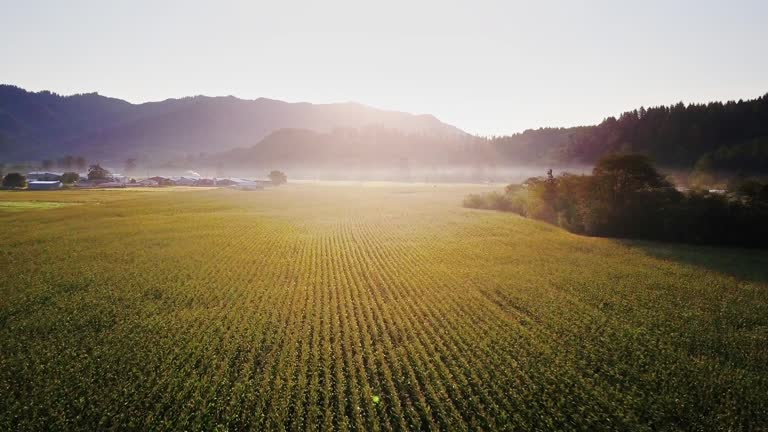
Hubbard sits mostly in Marion County, with a small piece reaching into Clackamas County, so the first question is always which county's code applies to the parcel. Outside city limits, land around Hubbard is commonly zoned either Exclusive Farm Use (EFU) or an acreage residential zone. They sound similar on a listing, but they behave very differently.
Marion County's EFU chapter (MCC 17.136) is built to protect farmland. It limits what you can build, how many dwellings a parcel can support, and what other uses are allowed. Acreage residential zones, covered in a separate chapter (MCC 17.128), were created for rural homesites and are generally more flexible about the house itself. The listing might say "hobby farm," but the zoning is what a lender, an appraiser, and the county will look at.
Why it matters: if the house is already there and legally established, EFU zoning mostly affects what you can add later. A shop, a second dwelling, a short-term rental, or an event space may all be off the table. If you are buying bare land and hoping to build, the answer to "can I put a house here?" is not automatic on farm-zoned ground. Ask the county planning office for a written zoning confirmation before you make an offer, or at least make it a contingency.
Confirm the lot and the house are legal
Rural parcels carry history. A lot may have been divided decades ago, a house may have been added without a permit, or a barn conversion may never have been finaled. None of that is rare, and none of it shows up in the photos.
Look at three things. First, whether the parcel is a legally recognized lot, which your title company and the county can help confirm. Second, whether the house and any outbuildings were permitted and finaled. Third, whether the lot lines match what the seller has been using. Fences on small farms drift over the decades, and a fence that has stood for 30 years is not proof of where the boundary is. A survey is a few hundred to a few thousand dollars, depending on size and terrain, and it is cheap next to a boundary dispute.
Also read the preliminary title report for easements. Shared driveways, irrigation easements, and utility corridors are common on rural lots. A shared private road usually comes with a maintenance agreement, or a painful lack of one. Find out who plows, grades, and pays when the road washes out in January.
Water and septic: verify, don't assume
Almost every small-farm lot near Hubbard runs on a private well and a septic system, and both deserve real inspection rather than a quick glance. The Oregon Department of Environmental Quality and county programs set the rules for septic, and Marion County Building Inspection handles septic site evaluations for the county. If you are buying land you plan to build on, a site evaluation tells you whether the soils can support a system at all. Without that approval, the lot may not be buildable no matter how nice the view is.
For an existing home, hire a septic inspector who will actually locate the tank and drainfield, check the tank's condition, and note the system's age and type. Ask whether there is a replacement area set aside, because that can affect where a shop or addition can go. For the well, a flow test and a water quality test (bacteria and nitrates at minimum) are standard. Oregon's Water Resources Department also regulates water rights. A domestic well generally has its own allowance, but irrigating pasture or a larger garden from a well or ditch is a separate question. If the listing mentions irrigation, ask to see the water right documentation instead of taking the seller's word for it.
Understand the farm next door
Farmland means farm activity. Tractors at dawn, field burning restrictions in season, dust during harvest, spraying, and the occasional smell are part of living near working ground. Oregon's farm practices protections (ORS 30.930 to 30.947) limit the ability of nearby residents to bring nuisance claims over accepted farming practices. That protection is the reason farmland stays farmland, and it applies to you as a buyer too.
None of this is a reason to walk away. It is a reason to visit the property at different times of day, in different seasons if you can, and to talk to the neighbors. Ask what is planted next door, how often equipment runs, and where the access roads are. You will learn more in a 20-minute conversation at the mailbox than from any listing.
What the Hubbard market looks like right now
Hubbard is a small city, so market data comes with a caveat: a handful of sales can move the numbers a lot, and acreage sales are even rarer. According to Redfin data for ZIP code 97032, the median sale price was $493,500 in May 2026. A local market summary built on recent closings put the three-month median near $499,000 for the period ending August 2026, though with so few sales, treat any single figure as a range rather than a promise.
What the numbers do not show is the gap between a standard house on a town lot and a house on a few acres. Small-farm properties are priced one at a time, based on the land, the outbuildings, the water, and the condition of the systems. Comparable sales can be sparse, which makes appraisals harder and makes a good local read on value more important. Financing is another piece. According to Freddie Mac's October 15, 2026 survey, the 30-year fixed rate averaged 7.40%, and lenders can treat acreage, income-producing land, and agricultural outbuildings differently than a standard home. Talk with a lender early about acreage limits.
What this means for you
If you are considering a small-farm lot in or near Hubbard, work through this order:
- Zoning first. Get written confirmation of the zoning and what you plan to do with the land.
- Legal status second. Confirm the lot, the permits, and the easements through title and the county.
- Systems third. Inspect the septic and well separately, and ask for water right documents if irrigation matters to you.
- Neighbors and access fourth. Spend time on the road, meet the neighbors, and read any road maintenance agreement.
- Financing early. Ask your lender about acreage, outbuildings, and appraisal comparables before you write an offer.
Build those checks into your offer as inspection and due diligence contingencies, and give yourself enough time to complete them. Rural due diligence moves slower than a standard home inspection, and a county planner may not call you back the same day. Done well, buying a small-farm lot is a very good decision. Done in a hurry, it is the kind of purchase people talk about for years.
If you want to see how Hubbard fits into the wider picture, the Hubbard neighborhood page is a good place to start. Jennifer Schurter is a licensed Oregon real estate broker with Real Broker LLC, and this post is general education, not legal, tax, or land-use advice. Confirm zoning and permit details with the county before you rely on them.
Jennifer Schurter serves buyers, sellers, and investors throughout South Clackamas County and the North Willamette Valley — including Canby, Oregon City, Wilsonville, Aurora, Hubbard, Molalla, Woodburn, Newberg, Sherwood, Tualatin, West Linn, Lake Oswego, and the greater Portland metro south. Her goal is simple: to be the most knowledgeable, most responsive, and most genuinely helpful real estate agent in the area — every single time. Jennifer is a licensed Oregon real estate broker with Real Broker LLC.
Have questions or want to get started? Connect with Jennifer here. She'd love to hear from you.
Categories
Recent Posts

“I see my job as a Real Estate Advisor is to educate consumers about the realities of the Real Estate market of today. If you're ready to learn more about what it could mean for you to buy, sell, or invest in Real Estate, let's connect!"