
House Hacking in Oregon: Duplexes, ADUs & Creative Living
House Hacking in Oregon: Duplexes, ADUs, and Creative Living Arrangements
House hacking — buying a property you live in while renting out part of it to offset your costs — has been a real estate wealth-building strategy for decades. What's changed in Oregon is how much easier recent legislation has made it. Between the state's sweeping ADU law reforms and HB 2001's "middle housing" mandate, Oregon is now one of the more investor-friendly states for this approach. Here's what you actually need to know if you're considering it in the North Willamette Valley or Clackamas County.
What "House Hacking" Actually Means
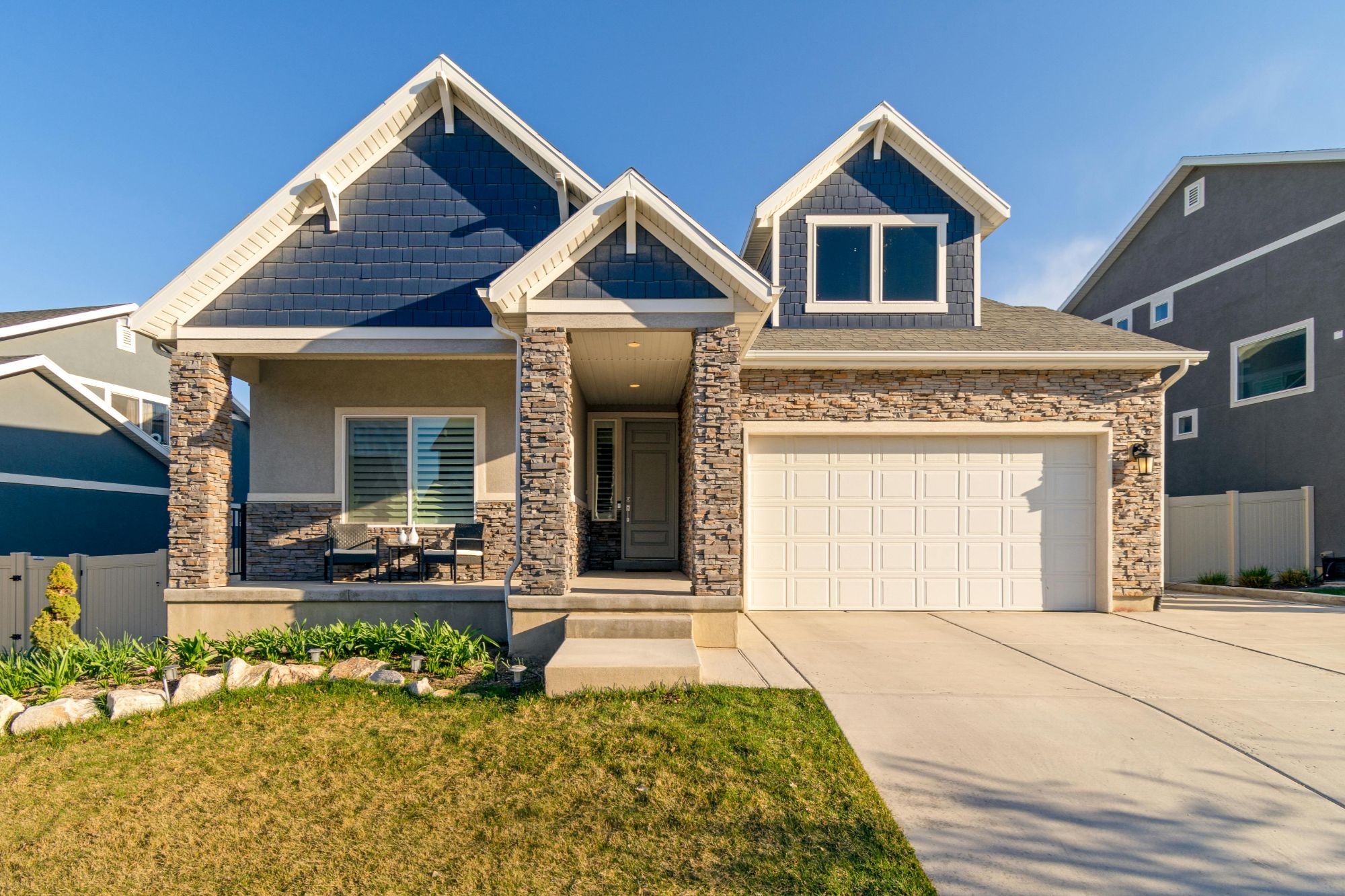
House hacking means purchasing a residential property, living in one portion of it, and renting out the remainder to generate income. The property you own, the tenants help pay for it. That income might cover part of your mortgage, most of it, or — in the right setup — all of it.
The three common configurations in this market: a duplex puts you on one side and a tenant on the other. An ADU (accessory dwelling unit) is a secondary dwelling on the same lot — detached in the backyard, above a garage, or attached to the home. A single-family home with a finished basement or in-law suite is the third path, often requiring the least upfront work.
What makes Oregon interesting right now is legislation. Oregon's HB 2001 (2019) required cities over 25,000 to allow duplexes, triplexes, and fourplexes on formerly single-family lots. Senate Bill 1051 required cities over 2,500 to allow at least one ADU per single-family lot within urban growth boundaries. And HB 2138 (2025) goes further still — removing HOA restrictions that block ADUs and middle housing, effective January 1, 2027. The regulatory direction is unmistakable: Oregon wants more units.
ADUs: The Most Accessible Entry Point
For most homeowners, an ADU is the most practical house hacking path. You already own the lot. You're adding a unit — building detached in the backyard, converting a garage, or finishing a basement — and renting it out.
Costs in the Portland metro and surrounding Clackamas County markets typically run $170,000–$280,000 for a standard detached 800 sq ft ADU. Garage conversions are the most cost-efficient option if you have an existing structure: all-in costs often land between $95,000–$175,000. Permit fees in smaller cities like Canby and Oregon City generally run $1,500–$5,000, and Oregon law caps system development charges for ADUs — many jurisdictions charge reduced fees or waive them for smaller units.
One regulatory detail that matters: Oregon's HB 2001 eliminated owner-occupancy requirements for ADUs statewide. You don't have to live on the property to rent an ADU. You can rent both the primary home and the ADU and live elsewhere. That opens the ADU strategy to investors, not just owner-occupants.
Duplexes: Buying the Income Property Upfront
Buying a duplex means purchasing a property that already generates rental income from day one. The financing is also more accessible than most people realize — 1–4 unit properties qualify for conventional and FHA loans with standard residential down payment requirements, rather than the 20–25% typically required on investment property loans.
In Clackamas County, market-rate rents are meaningful. Per FY 2026 HUD Fair Market Rent data, a two-bedroom unit in this market runs approximately $1,922/month, with Apartments.com May 2026 market data showing two-bedroom averages around $1,694–$1,922 depending on quality and location. A one-bedroom runs roughly $1,487–$1,677.
The math matters, so run it concretely. If you buy a duplex and your mortgage (PITI) is $3,000/month, and the adjacent rental unit brings in $1,750/month, your effective monthly cost is $1,250. That's competitive with renting a comparable single-family home in this market — and you're building equity while doing it. When evaluating a specific duplex, look at current rents, physical condition of both units, and any deferred maintenance. Duplexes in the Canby and Oregon City market are genuinely tight on inventory, so when one comes up at the right price, you need to be ready to act.
Practical Things to Get Clear On First
Financing rules. FHA allows as little as 3.5% down on a duplex if you'll owner-occupy one unit. That's a very different conversation than investment property financing. Conventional loans on 2–4 unit properties typically require 15–25% down as a non-owner-occupied investment property — but much less if you're living there.
Local zoning and permits. Even with state law setting baseline requirements, the specifics vary by city. Canby, Oregon City, and Wilsonville each have their own ADU and middle housing regulations built on top of the state framework. Before purchasing a property with ADU potential, verify directly with the city what's allowed on that specific parcel — lot size, setbacks, utility connection requirements, and current ADU size limits all matter.
Oregon landlord-tenant law. Oregon has strong tenant protections, including statewide rent control (ORS 90.323) limiting annual increases — as of 2025, capped at 10% annually. You also need to understand just-cause eviction rules before becoming a landlord. These rules are real and need to be part of your decision.
Short-term vs. long-term rentals. If you're considering a short-term rental platform rather than a long-term tenant, the picture is more complicated. Local ordinances vary, and some cities tie SDC waivers to long-term rental commitments. Know the rules before building them into your numbers.
What This Means for You
House hacking in Oregon isn't passive income from day one, and it's not right for every buyer. But for people who are comfortable with the landlord role and willing to be strategic about the property they choose, it's one of the more accessible ways to reduce housing costs and build long-term wealth at the same time.
The legislative environment right now is genuinely more favorable than it's been in decades. The rental market in Clackamas County is solid, with demand consistent and vacancy low. And the financing options for owner-occupied small multifamily properties are accessible for buyers who qualify.
The key is running the real numbers on a specific property — not in the abstract. What does that unit actually rent for today? What are the real maintenance costs? What does the loan structure look like for your situation? Those are conversations worth having before you commit.
Jennifer Schurter serves buyers, sellers, and investors throughout South Clackamas County and the North Willamette Valley — including Canby, Oregon City, Wilsonville, Aurora, Hubbard, Molalla, Woodburn, Newberg, Sherwood, Tualatin, West Linn, Lake Oswego, and the greater Portland metro south. Her goal is simple: to be the most knowledgeable, most responsive, and most genuinely helpful real estate agent in the area — every single time. Jennifer is a licensed Oregon real estate broker with Real Broker LLC.
Ready to talk through your next move? Schedule a time with Jennifer here. No pressure, no pitch — just a real conversation.
Categories
Recent Posts








“I see my job as a Real Estate Advisor is to educate consumers about the realities of the Real Estate market of today. If you're ready to learn more about what it could mean for you to buy, sell, or invest in Real Estate, let's connect!"