
Downsizing From Acreage to Town in Canby, OR

Downsizing From Acreage to Town in Canby: What Surprises Sellers the Most
Making the move from acreage to a town home in Canby almost always comes with at least one thing nobody warned sellers about. Selling an acreage property is genuinely different from selling a standard residential home, and the differences show up in ways that aren't obvious until you're in the middle of it.
Here's an honest look at what actually catches sellers off guard — and how to get ahead of it.
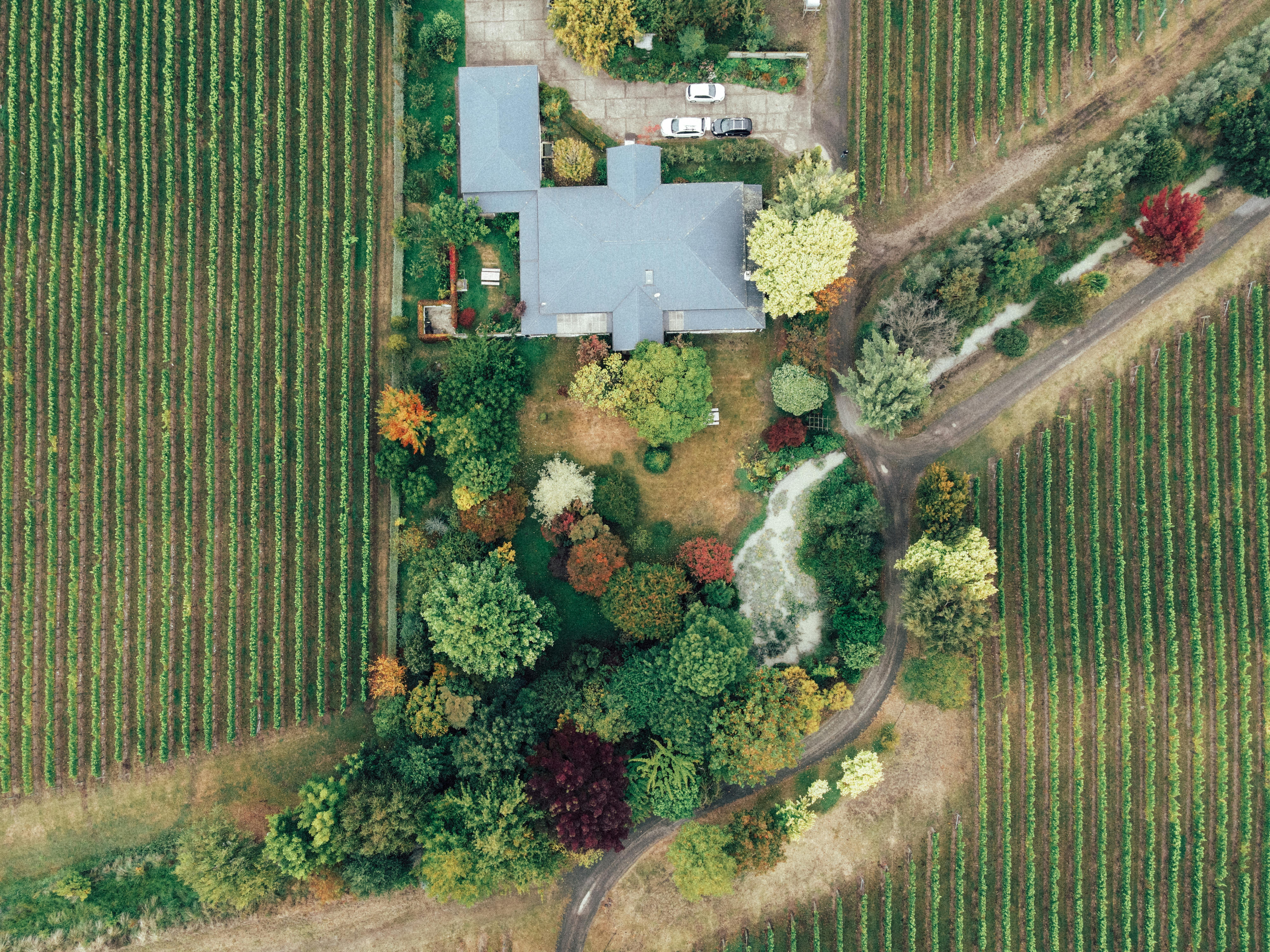
The Buyer Pool Is Smaller Than You Think
This is the one that surprises people most. When you've lived on a larger property — a few acres, a small farm, a hobby setup with outbuildings — it feels like that lifestyle would appeal to a lot of buyers. It does. But "appeals to" and "can actually buy" are two very different things.
Acreage properties in Canby draw a narrower, more specialized buyer pool. Lenders treat rural and semi-rural properties differently. Properties with well and septic, agricultural zoning, or outbuildings can complicate conventional financing — some buyers can't get the loan they want, others don't qualify at all without 20-30% down. That narrows the field significantly before anyone even starts negotiating.
The data reflects this. Altos Research data from April 2026 shows the top quartile of Canby listings — where most acreage properties land — sitting at a median days on market of 234 days, versus 56 days for the broader market median. That's not because those homes aren't worth buying. It's because the right buyer takes longer to find.
Your timeline will likely be longer than you're expecting. That's not a problem — it's a fact worth knowing upfront so you can plan accordingly.
Pricing Acreage Is Harder Than Pricing a House
A 2,200-square-foot home in a Canby subdivision has a dozen comparable sales within a mile. A three-acre property with a detached shop, outbuildings, and well and septic? Comps are much harder to find, and the ones that exist often vary widely.
The risk cuts in both directions. Sellers sometimes underestimate land value — especially if they've been sitting on appreciating acreage for years. Others come in with a number based on what they've put into the property (the shop, the fencing, the irrigation system) without accounting for the fact that buyers don't value improvements the same way builders would.
What actually helps: pulling comparable sales across Canby, Aurora, Hubbard, and parts of Molalla — a wider geography that reflects what buyers are actually paying for similar land configurations. Redfin data shows Canby's overall market median at $546,000 as of March 2026, but acreage listings in the top quartile are well above that — Altos Research puts that tier's median list price around $865,000 to $900,000. Your property won't necessarily land at either number, but understanding where the comps cluster matters more than where the broad median sits.
Well, Septic, and the Inspection Process
Town home buyers often haven't dealt with well and septic before. That creates questions — and sometimes anxiety — during the inspection period. Most buyers purchasing an acreage property will ask for a well flow test, a water quality test, and a septic inspection (often including a pump-out). What catches sellers off guard is when they haven't serviced the septic in years and don't know its history.
Oregon's seller disclosure requirements (ORS 105.465) require sellers to disclose known material defects, including known issues with water systems, drainage, and septic. Surprises here mid-transaction create delays, repair negotiations, or deals falling apart entirely.
The smart move is to get ahead of it. A septic inspection and pump-out before you list costs a few hundred dollars and removes the biggest source of buyer concern. A well that's been tested and comes back clean is a selling point, not a formality.
The Stuff Question Is Real
People who've lived on acreage for 10, 20, or 30 years accumulate things that don't fit anywhere else — a shop full of tools, farm equipment, old vehicles, piles of lumber, stored materials for projects that never happened. The house might be ready to show, but the outbuildings and surrounding property need the same attention.
Buyers touring acreage absolutely look in the barns, walk the fencelines, and assess the outbuildings. A tidy, well-maintained property signals the house has been cared for just as carefully. One with years of accumulation raises questions about what else might be deferred.
An estate sale organizer can be genuinely useful here. Oregon estate sale companies routinely work with rural properties — they know what tools and equipment are actually worth, they handle the logistics, and they can turn what feels like an overwhelming task into actual dollars before you list.
Your Property Tax Situation Will Reset
Oregon's Measure 50 caps assessed value growth at 3% per year once you own a property. If you've owned your acreage for 15 years, there's a meaningful gap between your current assessed value and what the market says it's worth.
When you buy a town home in Canby, the new property's assessed value resets — typically to the current market-assessed value. Depending on how long the sellers have owned it, you could end up paying more in property taxes on a smaller home than you were paying on your acreage. It doesn't always happen, but it happens often enough to be worth running the numbers.
A quick review of the property's tax history (publicly available through Clackamas County) before you make an offer takes ten minutes and removes a recurring budget surprise from your first year in town.
The Equity Picture Is Often Better Than Sellers Expect
Most sellers making this move have owned their acreage for a long time. When the sale closes, the net proceeds are often more than sellers had mentally prepared for — and many end up buying a town home with a much smaller mortgage or no mortgage at all.
Oregon has no state real estate transfer tax in Clackamas County, so sellers keep more of their proceeds than they would in some states. And if you've owned the home as your primary residence for at least two of the last five years, the IRS primary residence exclusion shelters up to $250,000 in capital gain for single filers and $500,000 for married couples filing jointly (IRS Publication 523) — which can significantly reduce or eliminate federal tax exposure depending on your original purchase price.
Understanding your equity position before you start shopping gives you clarity that most buyers don't have.
What the Canby Town Home Market Looks Like Right Now
For context on what you'd be buying into: Canby's overall market had a median sale price of $546,000 in March 2026, up 7.3% year over year according to Redfin data. Altos Research data from April 2026 shows a median list price around $699,000-$710,000, a market action index of 38 (slight seller's advantage), and about 38-42% of active listings with at least one price reduction — meaning there's room to negotiate on homes that have been sitting.
The core of the market clusters between $580,000 and $750,000 for three- and four-bedroom homes on standard lots, with roughly 47-50 active listings city-wide. For someone coming from acreage with equity in hand, you're not competing at the frenetic pace of the lowest price points. You can be deliberate, and that matters.
What This Means for You
A few practical things to keep in mind if you're planning this move:
Start the math before you start shopping. Know your equity position, your tax situation, and what your realistic all-in cost of selling and buying looks like before you fall in love with a town home.
Give your timeline more space than you'd give a standard sale. Acreage properties take longer to find the right buyer. That's not a failure; it's the nature of a specialized property. Plan for it and you won't feel pressured into accepting less than your property is worth.
Address the well and septic proactively. A clean inspection before you list removes the biggest source of buyer concern.
Clear the whole parcel before photos. Outbuildings, yards, and land photograph as part of the property — the presentation of the entire site matters.
Pull comps from a wider geography. Canby, Aurora, Hubbard, and Molalla share a buyer pool for rural properties. The right price requires a wider view than just your zip code.
Jennifer Schurter serves buyers, sellers, and investors throughout South Clackamas County and the North Willamette Valley — including Canby, Oregon City, Wilsonville, Aurora, Hubbard, Molalla, Woodburn, Newberg, Sherwood, Tualatin, West Linn, Lake Oswego, and the greater Portland metro south. Her goal is simple: to be the most knowledgeable, most responsive, and most genuinely helpful real estate agent in the area — every single time. Jennifer is a licensed Oregon real estate broker with Real Broker LLC.
Ready to talk through your next move? Schedule a time with Jennifer here: https://calendly.com/jen-475/
Categories
Recent Posts







“I see my job as a Real Estate Advisor is to educate consumers about the realities of the Real Estate market of today. If you're ready to learn more about what it could mean for you to buy, sell, or invest in Real Estate, let's connect!"