Canby’s Future Growth: What the City’s Planning Documents Mean for Homebuyers

Canby’s Future Growth: What the City’s Planning Documents Mean for Homebuyers
Canby is planning for the future, and the decisions being made today could influence where new homes are built, how local roads change, and which areas see more commercial development over the coming years. If you're considering buying a home in Canby, understanding these plans can help you look beyond a property's current surroundings and think about how the community may evolve.
The city’s Cultivating Canby initiative brings together three major planning efforts: a comprehensive plan update, a transportation system plan, and a potential urban growth boundary expansion. Together, these efforts provide a framework for Canby's long-term growth, with planning projections extending to 2043. Here's what the available planning information says and what prospective buyers should consider before making a move.
What Is Cultivating Canby?
Cultivating Canby is a planning initiative designed to help guide the city's future development. Rather than focusing on housing alone, the initiative considers how Canby will accommodate residents, businesses, transportation needs, parks, and public services as the community grows.
The initiative includes three main components, each with a different purpose.
The comprehensive plan establishes the city's long-term framework for land use, housing, economic development, and public facilities. It helps guide future zoning decisions and development approvals.
The transportation system plan addresses how people and goods move through the city. This includes roads, intersections, bicycle and pedestrian infrastructure, and important corridors such as Highway 99E.
The urban growth boundary expansion considers whether the area designated for future urban development should grow. In Oregon, urban growth boundaries help distinguish areas planned for urban development from surrounding land that is generally protected from urbanization.
These plans work together, but they do not mean every proposed change will happen immediately. Adoption, state review where required, infrastructure planning, and additional development approvals can all affect when and how projects move forward.
Five Numbers That Help Explain Canby's Growth Plans
The planning figures discussed in the city's analysis offer a useful starting point for understanding the scale and priorities of Canby's long-term growth.
1. Approximately 25,000 Residents by 2043
The transcript cites a population forecast projecting that Canby could reach approximately 25,000 residents by 2043. That would represent roughly 6,000 additional people compared with the population level referenced in the video.
Population forecasts help cities estimate future needs, including housing, roads, parks, utilities, and public services. However, a forecast is a planning tool rather than a guarantee of exactly how many people will live in Canby by that year.
2. Approximately 563 Acres of Preliminary Land Need
The video describes a preliminary land shortage of approximately 563 acres across the city's housing, economic opportunities, and parks analyses. It also references a net figure of approximately 555 acres after accounting for strategies such as increased density and redevelopment within the existing urban area.
The distinction matters because the initial estimate and the adjusted figure describe different stages of the planning analysis. Buyers should consult the latest city documents for the current figures and definitions before drawing conclusions about specific properties or development areas.
3. Approximately 73 Acres for Housing
According to the figures presented in the transcript, approximately 73 acres of the identified land need relate to residential use, including allowances for infrastructure, schools, and public facilities.
This is a relatively small share of the overall land need described in the analysis. It suggests that Canby's growth planning is not focused exclusively on adding housing, although the final residential development pattern will depend on adopted plans and subsequent approvals.
4. Approximately 43 Acres for Parks
The transcript identifies approximately 43 acres for parks. Parks and open spaces can influence how neighborhoods feel, where residents spend time outdoors, and what recreational opportunities are available as the community develops.
For homebuyers, it's worth considering not only a property's proximity to existing parks but also the city's adopted plans for future recreation and public spaces. Proposed park areas should not be confused with completed or guaranteed facilities.
5. Approximately 439 Acres for Employment Uses
One of the most notable figures in the video is approximately 439 acres associated with employment uses, including industrial, commercial, and office development.
That figure is substantially larger than the residential land figure presented in the same analysis. It highlights the importance of employment and economic development in the city's long-term planning and raises questions about where businesses may locate, how transportation needs could change, and how future job growth might influence housing demand.
These numbers provide context, but they should always be read alongside the full planning documents. Acreage estimates alone do not establish that specific projects have been approved or that property values will increase.
Why Employment Growth Matters to Homebuyers
Real estate discussions often focus on population growth and housing demand. Canby's planning figures introduce another important consideration: the amount of land identified for potential employment uses.
When businesses establish or expand operations in an area, they may bring new jobs and attract workers who want to live nearby. Over time, that activity can influence demand for housing, local services, and transportation infrastructure.
However, the timing and scale of those effects are uncertain. Employment development does not automatically lead to higher home prices, and the impact on individual neighborhoods can vary depending on the type of development, access to transportation, housing supply, and broader market conditions.
For buyers considering Canby as a long-term home or investment, the useful question is not simply whether the city will grow. It is how the type, location, and timing of that growth might fit their plans.
The Urban Growth Boundary and Canby's Farmland
Oregon's urban growth boundary system helps manage where cities can expand. Land inside the boundary is generally planned for urban development, while land outside it is generally protected from urbanization, subject to applicable laws and exceptions.
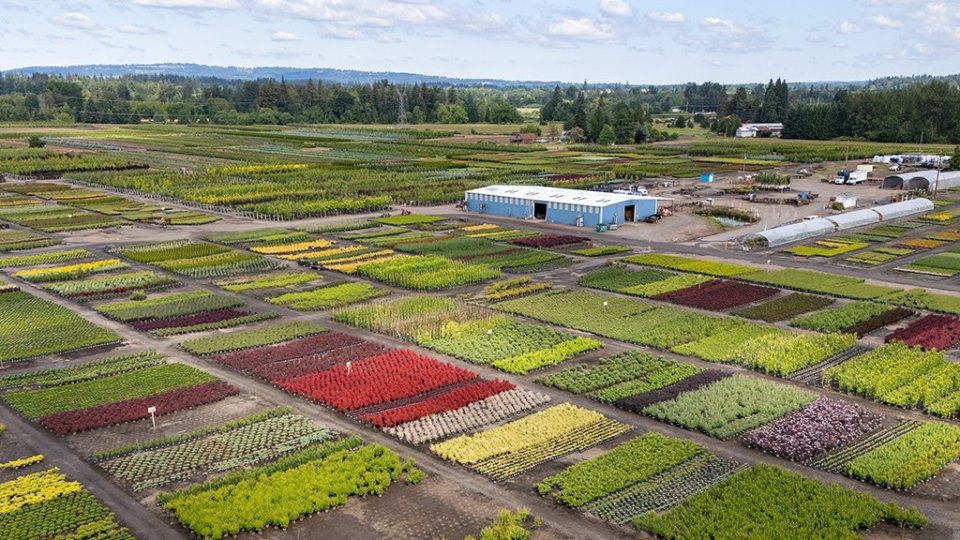
The transcript emphasizes that much of the land in Canby's study area is high-value farmland. That makes the expansion discussion especially significant for a community with strong agricultural roots.
The video also highlights the importance of protecting established agricultural operations, including Swan Island Dahlias, which draws visitors to the area for its annual Dahlia Festival. Decisions about future development can involve difficult trade-offs between accommodating growth, supporting local businesses, and preserving farmland and community character.
For prospective buyers, this is a reminder to look carefully at the surroundings of a property. A home near the edge of a study area may experience a different pattern of future development than one in an established neighborhood, but proximity alone does not determine what will happen.
Before making a decision, review the relevant maps and current planning documents. Do not assume that land identified in a study area has already been approved for development or that a proposed boundary change will proceed exactly as originally described.
How Transportation Planning Could Affect Daily Life
Growth involves more than buildings and new residents. It can also change how people travel to work, access services, and move around their neighborhoods.
Canby's transportation system plan considers issues such as road capacity, intersections, pedestrian and bicycle connections, and major corridors. These decisions may influence future commuting routes and how new development connects with existing parts of the city.
If you're evaluating a property, consider the roads you would use regularly and whether nearby transportation projects are proposed, funded, approved, or still under discussion. Those distinctions matter because a concept in a planning document does not necessarily mean construction is scheduled.
It is also worth considering your own commute and transportation preferences. A home that works well for your routine today may be affected differently by future traffic patterns or infrastructure changes than a property in another part of Canby.
What Is the Timeline for Canby's Future Development?
Long-range planning is a multi-step process, particularly when an urban growth boundary change is involved. City analysis, public input, planning commission review, city council action, and state review may all play a role, depending on the specific proposal.
The transcript references planning work completed or published in 2023 and early 2025, along with earlier target dates for adoption. Those dates should not be treated as confirmation of the current status, since the video itself notes that planning schedules can change.
As of the time you are researching a property, check the City of Canby's current Cultivating Canby project page, public input portal, and relevant adopted documents. Confirm which plans have been approved, which remain under review, and whether there have been changes to the proposed boundary or project schedule.
Even after a plan or boundary amendment is adopted, new construction generally requires additional steps. These may include annexation, master planning, subdivision review, infrastructure improvements, and other approvals. The transcript suggests that the process from state sign-off to the first new homes in an expansion area can take several years, but actual timing will depend on the specific location and project.
How to Research a Canby Property Before You Buy
If Canby is on your shortlist, planning information can be one useful part of your due diligence. You do not need to become a planning expert, but a few targeted checks can help you ask better questions before making an offer.
Check the current status of the plans. Start with the city's official planning materials rather than relying only on older videos or summaries. Look for the latest information about the comprehensive plan, transportation system plan, and urban growth boundary process.
Review the maps around the property. Compare the address with published study-area maps and proposed land-use designations. If future development nearby could affect your priorities, ask the city for clarification about what the maps do and do not establish.
Look at transportation plans. Consider whether nearby roads or intersections appear in current planning documents and whether any improvements have a confirmed schedule or funding. This can help you better understand possible changes to access and commuting.
Think about your time horizon. Someone planning to move again in three years may weigh long-term planning differently from a buyer expecting to stay for ten years or more. Neither approach is automatically better, but your timeline should match your needs, budget, and comfort with uncertainty.
Avoid making decisions based on predictions alone. Future development may create opportunities, but it can also change a neighborhood in ways some residents may not prefer. Consider the property as it exists today and evaluate potential changes as one part of the decision.
Could Canby's Growth Plans Influence Its Real Estate Market?
Canby's future development is worth watching, particularly because the planning figures described in the transcript emphasize employment land as well as residential growth. New businesses, infrastructure changes, and housing development could influence how different parts of the community evolve over time.
Still, planning documents are not a reliable way to predict an individual property's future value. Home prices depend on many factors, including mortgage rates, supply and demand, property condition, neighborhood characteristics, local economic conditions, and the timing of any actual development.
A more useful approach is to understand what is known, identify what remains uncertain, and consider how potential changes relate to your own goals. For buyers planning to stay in the area for many years, this kind of research can help make a decision more informed without creating pressure to buy before you're ready.
Thinking About Buying a Home in Canby?
Canby's long-term plans offer a window into how the city is thinking about housing, employment, transportation, parks, and the future of its surrounding farmland. The key is to distinguish between a planning proposal, an adopted policy, an approved project, and completed development.
If you're considering a home in Canby or comparing it with nearby communities, understanding these differences can help you evaluate a property's location and long-term suitability. The right decision should reflect your budget, lifestyle, commute, and plans for the years ahead, rather than a prediction about what the market might do.
Jennifer Schurter serves buyers, sellers, and investors throughout South Clackamas County and the North Willamette Valley — including Canby, Oregon City, Wilsonville, Aurora, Hubbard, Molalla, Woodburn, Newberg, Sherwood, Tualatin, West Linn, Lake Oswego, and the greater Portland metro south. Her goal is simple: to be the most knowledgeable, most responsive, and most genuinely helpful real estate agent in the area — every single time. Jennifer is a licensed Oregon real estate broker with Real Broker LLC.
Have questions or want to get started? Connect with Jennifer here. She'd love to hear from you.
Categories
Recent Posts




“I see my job as a Real Estate Advisor is to educate consumers about the realities of the Real Estate market of today. If you're ready to learn more about what it could mean for you to buy, sell, or invest in Real Estate, let's connect!"