
Well Water Questions to Ask Before Buying Near Aurora, OR

Buying a Home with a Well Near Aurora: What to Ask About Water Quality Before Closing
In Oregon, the seller must test a domestic well for arsenic, nitrate, and total coliform bacteria when they accept your offer, but that test is a starting point, not a full picture. The state requires those three tests. It does not require a flow test, a pump inspection, or a check for minerals and other contaminants. If you are buying a rural home near Aurora or elsewhere in the North Willamette Valley, the questions you ask during your inspection period matter as much as the lab report you are handed.
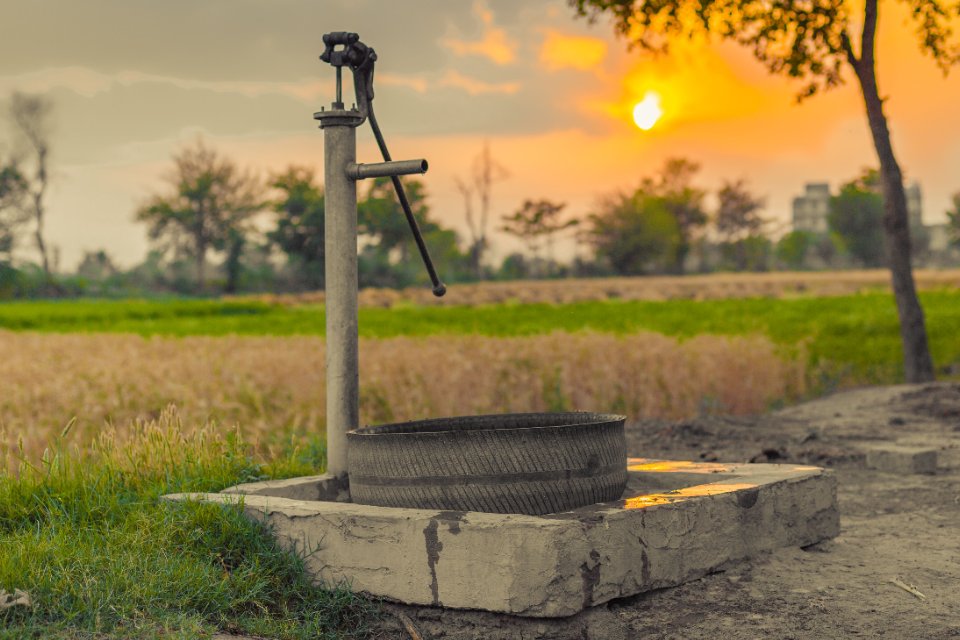
What Oregon law actually requires
Under ORS 448.271 and OAR 333-061-0305 through 0335, when a sale includes a well that supplies water for domestic use, the seller must have the water tested for arsenic, nitrate, and total coliform bacteria after accepting an offer. Samples go to an accredited laboratory. The results go to the Oregon Health Authority and to you within 90 days of the seller receiving them. Spring wells, irrigation-only wells, and wells on undeveloped land are exempt.
Two details are worth knowing. First, the law puts the testing duty on the seller, but it does not say the results have to meet a standard for the sale to proceed. Per OHA guidance, a seller who skips the requirement does not invalidate the sale documents. Second, the Oregon Health Authority can require extra tests in areas it designates as public health concerns, so ask whether the property sits inside one.
In practice, I ask the seller's side early who is collecting the sample and when. A result that is a year old, or taken before a major repair, tells you little.
Read the results, not just the cover page
When the report arrives, look at the actual numbers. Nitrate is the one I watch most closely in agricultural parts of the Willamette Valley, because fertilizer and animal waste can reach shallow groundwater. The federal drinking water limit for nitrate is 10 milligrams per liter, and arsenic is 10 micrograms per liter. A positive coliform result means bacteria were found. That is often fixable, for example by disinfecting the well or repairing a damaged cap, but it should be retested after the fix.
Ask for the lab's name and make sure it is accredited. Ask for the date and the sample location. A sample taken from an outdoor spigot is not the same as one from the kitchen tap after the filter.
If a number comes back high, you have choices: ask the seller to treat the problem, negotiate a credit, request a retest, or walk away under your contingency. Treatment systems exist, but they have an installation cost and ongoing maintenance, so get a written quote before you decide.
Questions the state test will not answer
The mandatory tests leave out several things that affect daily life with a well. Consider asking for, or ordering yourself:
- Flow rate and recovery. A well can test clean and still run dry on a hot August weekend. A licensed well contractor can run a flow test and tell you gallons per minute and how the well recovers.
- Pump, pressure tank, and wellhead condition. These are mechanical parts with a service life, and replacement is a real expense. Ask for the age and service records.
- Water treatment equipment. If the house has a softener, filter, or UV system, find out what problem it is solving and when it was last serviced.
- Other contaminants. Depending on the area, buyers sometimes add tests for iron, manganese, hardness, lead from plumbing, or pesticide residues. Ask the lab what panels make sense for the location.
- The well log. The Oregon Water Resources Department keeps well reports that can show depth, drilling date, and the water level when drilled. You can request what exists for the property.
Because the law only requires three tests, I treat the other items as part of your due diligence, not as an optional upgrade. The cost of testing is small next to the cost of fixing a problem after closing.
Local context: Aurora's market is small, so details matter
Aurora is a small town surrounded by farmland and rural parcels in Marion County, and its market data is thin. According to Redfin data, only a couple of homes sold in the three months ending August 2026, which is too few to treat any median as a reliable guide. A single acreage sale can swing the numbers a lot. I would not lean on a city-wide figure to judge whether a specific property is priced fairly. A comparison of nearby sales with similar lot sizes, well and septic setups, and building condition is far more useful.
On the financing side, Freddie Mac reports the 30-year fixed mortgage rate averaged 7.24% on October 29, 2026, down from 7.32% the week before. Lenders may have their own requirements for wells, including water quality and distance from the septic system, so bring the lender into the conversation early rather than at the last minute.
What this means for you
If you are buying a home with a well, build the water questions into your timeline from day one. Confirm that the seller will test after accepting your offer, ask who will take the sample, and review the full lab report, not the summary. Schedule a flow test and a pump and tank inspection during your inspection period. If anything comes back concerning, you want time to negotiate or retest, not a closing date breathing down your neck.
Also look at the septic system and well together. Their distance from each other and from other sources of contamination matters, and the same property often needs both inspected. I walk my buyers through this sequence so that nothing gets missed and no surprises show up after closing. I am a real estate broker, not a water quality specialist, so for results that raise concerns, talk to a certified lab, a licensed well contractor, or your county environmental health office.
Jennifer Schurter serves buyers, sellers, and investors throughout South Clackamas County and the North Willamette Valley — including Canby, Oregon City, Wilsonville, Aurora, Hubbard, Molalla, Woodburn, Newberg, Sherwood, Tualatin, West Linn, Lake Oswego, and the greater Portland metro south. Her goal is simple: to be the most knowledgeable, most responsive, and most genuinely helpful real estate agent in the area — every single time. Jennifer is a licensed Oregon real estate broker with Real Broker LLC.
Have questions or want to get started? Connect with Jennifer here. She'd love to hear from you.
Categories
Recent Posts






“I see my job as a Real Estate Advisor is to educate consumers about the realities of the Real Estate market of today. If you're ready to learn more about what it could mean for you to buy, sell, or invest in Real Estate, let's connect!"