
What to Fix Before Listing Your Oregon Home (2026)

What to Fix (and What to Ignore) Before Listing Your Oregon Home
Most sellers walk through their house before listing and immediately see a list of projects. Some of those projects will help you sell faster and for more money. Others will cost you real cash and return almost nothing. The hard part isn't doing the work — it's knowing which list is which.
Here's a clear-eyed breakdown of what's worth your time and money before you list, and what you can safely skip.
Why "Fix Everything" Is the Wrong Strategy
The instinct to repair every imperfection makes sense — you want buyers to love the house. But buyers aren't buying a house you've turned into their taste. They're buying a canvas for their own life, and they'll mentally redo half of it anyway.
The question to ask about any pre-listing project isn't "Will this make the house look nicer?" It's "Will this make a buyer walk away, ask for a price reduction, or request a repair credit?" If the answer is no, that project belongs on the skip list.
According to the 2026 Zonda Cost vs. Value Report, eight of the ten highest-returning renovation projects for sellers are exterior upgrades. A new garage door can return 268% of its cost. A full kitchen renovation? As little as 36%. That gap is enormous, and it's the core principle behind smart pre-listing prep: outside matters more than inside, function matters more than finish, and buyer psychology matters more than your personal list of improvements.
Oregon's current market adds another layer to this decision. Redfin data from May 2026 shows the statewide median sale price at $518,159, down slightly (0.74%) from a year ago, with homes averaging 42 days on market. That's a more deliberate buyer pool than 2021 or 2022 — buyers are inspecting carefully, negotiating on condition, and using inspection reports as leverage. What you leave unaddressed will show up in the buyer's offer. What you fix strategically won't need to be negotiated away.
What to Fix: The High-Impact Repairs That Actually Move the Needle
Safety and mechanical systems — non-negotiable. Anything a home inspector will flag as a material defect or safety concern needs to be addressed before listing. These aren't cosmetic preferences — they're deal conditions. Buyers' lenders sometimes require repairs on safety items before closing anyway, so leaving them creates a bottleneck right when you want momentum.
The most common Oregon seller repair requests after inspection: roofing issues (missing shingles, visible wear on an aging roof), electrical concerns (outdated panels, ungrounded outlets, double-tapped breakers), plumbing leaks or evidence of past leaks, HVAC systems that are clearly failing or haven't been serviced, and moisture intrusion in basements or crawl spaces. Oregon's wet climate means crawl space issues are particularly common in older homes — and particularly alarming to buyers. A clean crawl space report is worth real money.
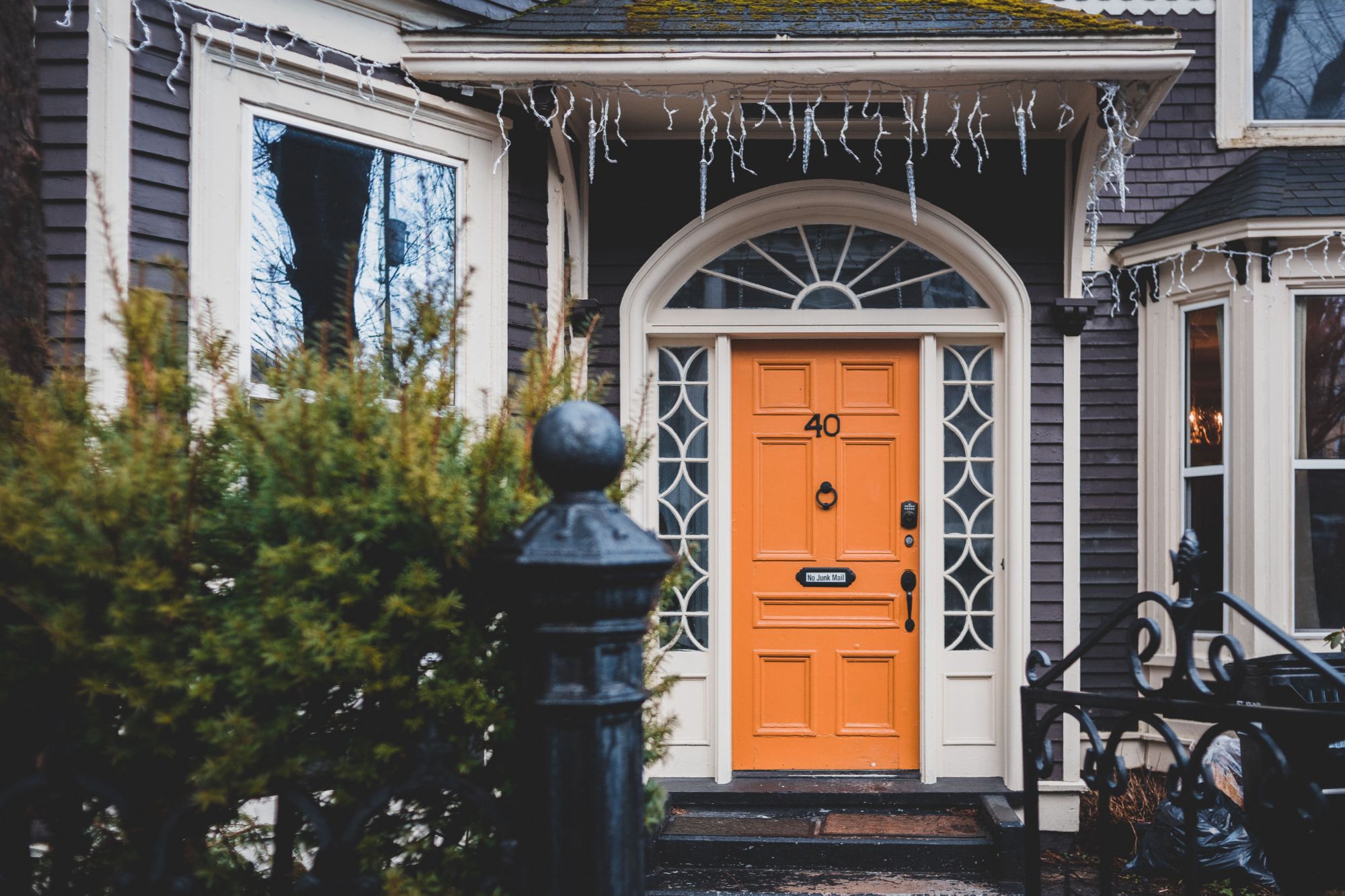
Exterior and curb appeal — your best ROI. If the front of your house doesn't create a strong first impression, buyers arrive with their guard up and that changes how they see everything inside. Pressure washing the driveway and siding, fresh paint on the front door, clean gutters, and a tidy yard cost relatively little and return consistently. Landscaping doesn't need to be elaborate — it needs to be clean, maintained, and not overgrown. Cracked or heaving front walkways are worth repairing because they look like deferred maintenance even when they're just old concrete.
Minor kitchen and bathroom updates — targeted and modest. A full kitchen remodel before selling almost never makes financial sense. A minor kitchen update — refinishing or replacing cabinet hardware, deep cleaning, painting walls a neutral color, replacing a failing faucet — can return over 100% of its cost. The distinction is resurfacing vs. renovating. Buyers will update a kitchen to their taste eventually; what they don't want is a kitchen that feels actively broken or neglected.
In bathrooms, re-caulking the tub and shower, replacing a dated light fixture, and fixing any plumbing leaks under the sink go a long way. A midrange bathroom remodel runs about 73.7% ROI nationally in 2026 — meaning even the "better" interior projects give back less than you spend. Clean and functional is the target, not remodeled.
Paint — selective and strategic. Fresh interior paint in a neutral palette is one of the cheapest ways to make a house feel cared for. The key word is neutral — buyers mentally subtract from homes where paint colors read as strongly personal choices. Light greiges, warm whites, and soft greens read well in Oregon's natural light. Don't repaint every room, but do touch up visible scuffs, dings, and outdated feature walls.
Odor and cleanliness — easy to overlook, impossible for buyers to ignore. Sellers go nose-blind to their own homes. Pet odors, cigarette smoke residue, and musty smells from a damp basement register immediately to buyers walking in cold. Professional cleaning (including carpets), HVAC filter replacement, and checking the crawl space for moisture all factor in here. This is one of the few areas where spending a few hundred dollars can prevent a buyer from mentally checking out before they've seen a single room.
What to Skip: Projects That Sound Smart But Rarely Pay Off
Full kitchen and bathroom renovations. Covered above, but worth repeating: the math doesn't work. A $40,000 kitchen update that returns 36% at closing loses you $25,000 before you start. More importantly, buyers will often prefer to do this themselves — they want their choices, not yours.
Landscaping beyond basic maintenance. A well-designed yard doesn't move a home faster or for more money in most Oregon markets. It's nice, but buyers know they can hire a landscaper. Maintenance and tidiness matter; a new irrigation system or hardscape build does not.
New flooring throughout. If your flooring is stained, failing, or genuinely offensive to most buyers, it may be worth addressing selectively. But replacing hardwood floors that show normal wear, or swapping carpet that's just dated, often isn't worth the spend. A flooring credit is frequently a better tool — buyers can use it on the materials and style they'd choose themselves.
Cosmetic fixes in areas buyers will renovate. If a bathroom is clearly dated but functional, and the buyer demographic in your area and price range tends to do full renovations on purchase, fixing that bathroom for $8,000 may gain you nothing. Know your buyer pool and what they expect to tackle vs. what they expect delivered.
High-end finishes in a mid-range price point. The market sets a ceiling on what a home can sell for in a given area regardless of finishes. Installing quartz countertops and custom cabinetry in a $400,000 price bracket doesn't pull the sale price to $500,000 — it just reduces your margin. Match the finish level to the price point, not to your personal standard.
What Oregon's Market Tells Us Right Now
In Canby, Redfin's March 2026 data shows a median sale price of $546,000, up 7.3% year over year. Altos Research currently puts the market action index at 39, inventory at 53 active listings, and the median list price at $689,900 — a meaningful gap between list and sale that signals buyers are negotiating, not waiving contingencies. Homes that are well-prepared and accurately priced are moving. Homes with visible deferred maintenance are sitting longer and taking larger price reductions.
Oregon City's Redfin data from early 2026 shows a median sale price around $581,000 with 18 days on market — a tighter market where move-in ready homes get absorbed quickly. In Wilsonville, the range is broader and days on market have stretched, meaning buyers have more options and are making more deliberate decisions.
Across the region, buyers are doing thorough inspections. The inspection report is being used more actively in negotiations than it was during the frenzy years. A pre-listing inspection — where you hire your own inspector before the home goes on market — can remove a lot of that uncertainty. You find out what's actually wrong, you decide what to fix vs. disclose, and you go into the listing process without surprises. The cost is $350–$550 for most Oregon homes, and the information it gives you is worth considerably more.
What This Means If You're Getting Ready to List
Start with a walk-through using buyer eyes, not seller eyes. Look at what's broken, what creates a safety concern, and what will register as obvious deferred maintenance the moment someone walks in. That's your repair list.
Then look at your curb appeal. Is the front of the house pulling buyers in or putting them on alert? Paint, pressure washing, and clean landscaping are your tools here.
Everything else gets evaluated against one question: will a buyer ask for a credit or a price reduction if I don't fix this? If the honest answer is probably not, skip it and put that money toward your move.
A conversation with your agent before any projects start saves most sellers real money. The goal isn't a perfect house — it's a well-priced, honestly presented home that buyers can see themselves in. That's what sells in Oregon right now.
Jennifer Schurter serves buyers, sellers, and investors throughout South Clackamas County and the North Willamette Valley — including Canby, Oregon City, Wilsonville, Aurora, Hubbard, Molalla, Woodburn, Newberg, Sherwood, Tualatin, West Linn, Lake Oswego, and the greater Portland metro south. Her goal is simple: to be the most knowledgeable, most responsive, and most genuinely helpful real estate agent in the area — every single time. Jennifer is a licensed Oregon real estate broker with Real Broker LLC.
Have questions or want to get started? Connect with Jennifer here. She'd love to hear from you.
Categories
Recent Posts










“I see my job as a Real Estate Advisor is to educate consumers about the realities of the Real Estate market of today. If you're ready to learn more about what it could mean for you to buy, sell, or invest in Real Estate, let's connect!"