
What Buyers Want in Homes 2026 | Oregon Sellers Guide

What Buyers Want in Oregon Homes in 2026 (And How Sellers Can Respond)
Buyers in 2026 aren't shopping the same way they were five years ago. Their priorities have shifted — and sellers who understand what's actually driving purchase decisions today will be in a much stronger position than those who rely on gut instinct or outdated prep checklists.
This post breaks down the five things buyers are consistently prioritizing right now, grounded in current research, and connects each one to practical steps Oregon sellers can take before listing.
1. Flexible Space That Adapts to Real Life
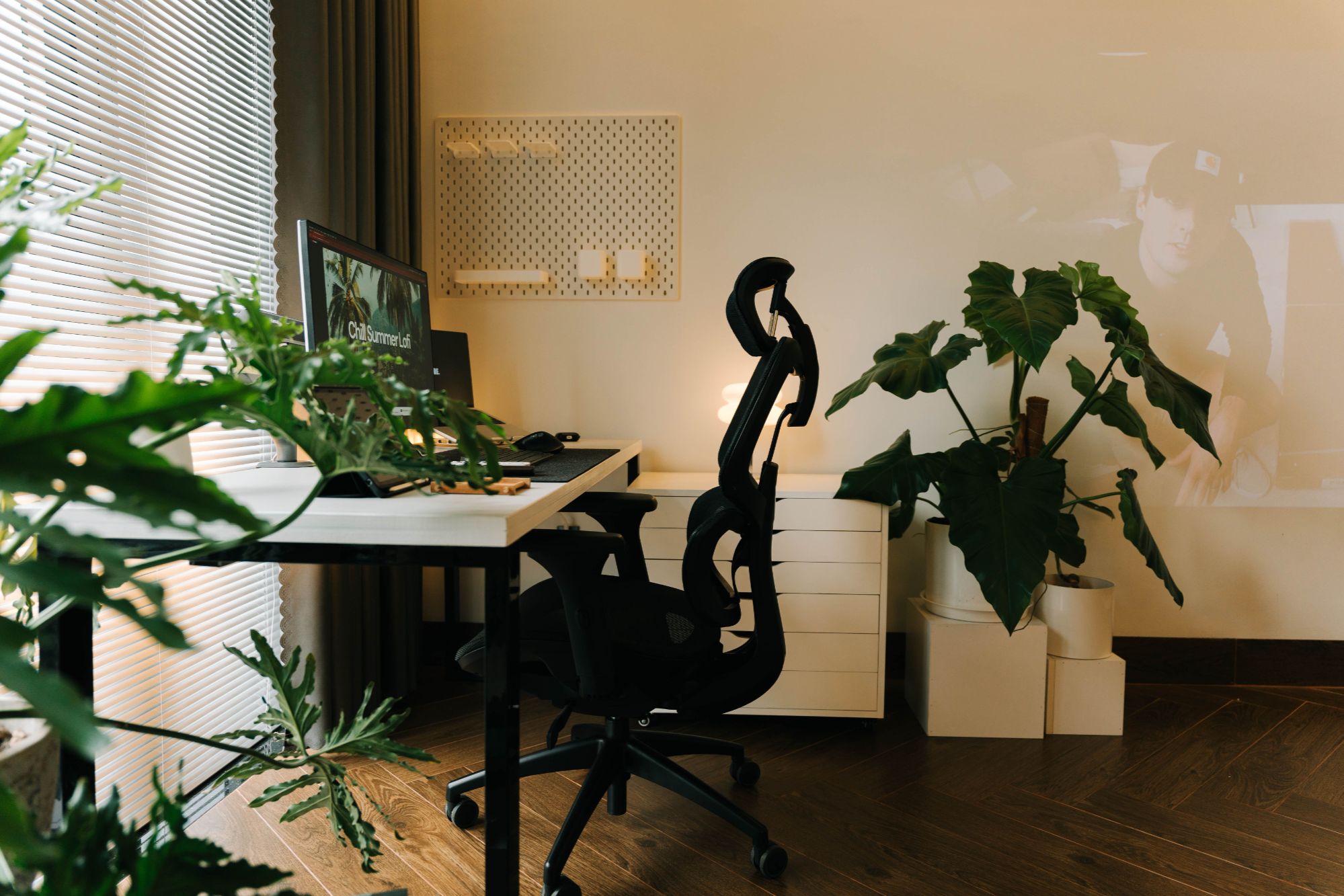
The home office isn't a pandemic relic. It's become a baseline expectation. According to a 2026 Inman analysis of buyer behavior, 86% of buyers say adaptable layouts help them look past raw square footage — what they want is the ability to see how they'll actually use the home day to day. That means a spare bedroom that reads as a real home office, a flex space that could function as a guest room, workout area, or work-from-home setup depending on who's asking.
This shift matters for sellers because it reframes what "enough space" means. A 1,600-square-foot home with a clearly defined office or dedicated flex room can outperform a larger home that's been staged as a formal dining room no one uses. Buyers aren't buying floor plans on paper — they're buying how the home will fit their actual schedules.
For Oregon sellers, this plays well. Many homes in Canby, Oregon City, and Wilsonville were built with extra bedrooms, dens, or bonus rooms that can easily be repositioned. If you have a room that's currently functioning as a storage catch-all, clearing it and setting it up to read as a functional workspace — desk, clean lighting, simple shelving — costs next to nothing and changes how buyers perceive the entire home.
2. Outdoor Space That's Actually Usable
Functional outdoor areas have become one of the most searched-for features in the 2026 market. The AIA Home Design Trends Survey for Q2 2026 consistently ranks outdoor living spaces at the top of exterior feature requests, and buyers aren't just looking for a deck — they want space that connects to how they live. A covered patio, a flat usable yard, a fire pit area, a clean garden bed. Something that signals the space works.
This is one area where Oregon sellers — and Canby sellers especially — tend to have a natural advantage. Lot sizes in Canby typically run larger than what you'll find in metro-area suburbs, and that extra space is worth highlighting deliberately, not just photographed from the back corner of the yard in bad light.
The key for sellers is presentation. A yard with overgrown landscaping and a cracked patio tells buyers they're looking at a project. The same yard — freshened up with edged beds, a power-washed surface, and a few simple outdoor chairs — signals livability. You don't need an outdoor kitchen. You need the space to look intentional. Professional staging now covers outdoor areas for exactly this reason.
3. Energy Efficiency and Lower Utility Costs
Rising utility costs have made energy efficiency a meaningful part of the purchase calculation, not just a nice-to-have. According to a 2026 analysis by LocaliQ citing buyer survey data, 45% of buyers identified energy-efficient features as a top priority — ranking alongside home office space and outdoor areas as the most commonly cited must-haves.
Buyers in the $500K–$650K range (which covers a significant share of current Canby inventory) are doing math on monthly carrying costs. Heating and cooling bills are part of that math. A home with newer insulation, double-pane windows, an efficient HVAC system, or a smart thermostat isn't just more comfortable — it's more defensible on price. Sellers can highlight these features in listing descriptions with specific ages and upgrade notes: "New furnace (2023), double-pane windows (2021), attic insulation upgraded (2022)" tells a buyer something. A vague mention of "energy efficient" tells them nothing.
Oregon's climate is mild enough that buyers pay particular attention to windows, insulation, and heating systems. If your home has had meaningful energy upgrades in the last five years, they deserve prominent placement in your marketing, not a footnote.
4. Move-In Ready Condition (Not Perfect — Just Prepared)
The 2026 NAR Generational Trends report highlights a meaningful shift: buyers across nearly every age group are coming in with higher expectations for condition than in prior years. After a period of competitive markets where buyers accepted deferred maintenance as the cost of entry, that tolerance has narrowed. Buyers today — especially with rates where they are — don't want to fund a mortgage and a repair list simultaneously.
This doesn't mean sellers need to renovate. It means the basics matter more than ever: fresh paint in neutral tones, clean and functioning fixtures, doors that latch properly, no obvious deferred maintenance, and a home that reads as cared-for. According to the 2026 Cost vs. Value data published by HomeCostLab, the highest-ROI improvements for sellers are still remarkably simple: garage door replacement (returning over 268% per the Zonda/Redfin data used in prior reports), minor kitchen updates (96% ROI), and manufactured stone veneer (153% ROI). Big renovations? The numbers rarely pencil. Small, high-impact prep items do.
Pre-listing inspections have become one of the smartest moves a seller can make in this environment. A typical Oregon home runs $350–$550 for an inspection. That investment tells you exactly where a buyer's inspector is likely to flag issues — and gives you the choice to address them proactively or price accordingly, rather than being surprised at the negotiating table ten days before closing.
5. Primary Suite on the Main Level
This one doesn't always make headlines, but it shows up consistently in buyer preference data. The LocaliQ 2026 Real Estate Marketing report found that primary suites on the main level ranked as a top feature for 42% of buyers surveyed — reflecting both an aging buyer pool and a broader interest in long-term livability.
Canby's housing stock includes a mix of ranch homes, split-levels, and two-story homes. Homes with main-level primary suites have a genuine edge in the current market and should be marketed with that explicitly called out, not buried in the third paragraph of the description. "Main-level primary suite" is a search phrase buyers are using and filtering for. If your home has it, make sure it's the first thing they read.
For sellers whose homes don't have that layout, the response isn't to panic — it's to understand the trade-off. Other strengths (lot size, updated kitchen, oversized garage, covered patio) can offset it. The goal is to know your home's actual competitive position and price accordingly, rather than discovering the gap after 45 days on market.
What the Canby and Oregon Market Looks Like Right Now
Sellers entering the market this summer are doing so with real data on their side — if they use it. According to Redfin, the Oregon statewide median sale price sits at $518,159, down slightly (-0.74%) year over year, with a median of 42 days on market. Canby specifically is running stronger: Redfin's most recent data shows a median sale price of $546,000, up 7.3% from a year ago, with well-positioned homes going pending around 22–35 days.
Altos Research currently shows Canby with a Market Action Index reading of approximately 39 — indicating a slight seller's advantage, and a market that's been trending warmer through mid-2026. That's a solid environment to enter as a seller, but it's not a market where condition and presentation can be ignored. About 50% of active listings have taken at least one price reduction, according to data from Jennifer's own market research and Altos tracking — which means the homes that are winning are the ones that came in well-prepped and priced accurately from the start. The ones that are sitting are the ones that tested ceilings without the preparation to support it.
What This Means for You as a Seller
The biggest takeaway from 2026 buyer behavior isn't that you need to do a full renovation before listing. It's that buyers are coming in with sharper expectations around presentation, functionality, and condition — and the sellers who align with those expectations early get better outcomes.
Start by walking through your home as a buyer would. Is the flex space clearly readable as something useful? Does the outdoor area look lived-in versus neglected? Is there evidence that the home has been maintained? Are there any deferred items that will show up on inspection and create leverage for a buyer to renegotiate?
If those questions feel hard to answer objectively, that's what a good agent is for. A pre-listing walkthrough — before you're on the market — is the highest-value conversation a seller can have. It gives you a roadmap: what to do, what to skip, and how to position the home for the buyers who are actually looking right now.
Jennifer Schurter serves buyers, sellers, and investors throughout South Clackamas County and the North Willamette Valley — including Canby, Oregon City, Wilsonville, Aurora, Hubbard, Molalla, Woodburn, Newberg, Sherwood, Tualatin, West Linn, Lake Oswego, and the greater Portland metro south. Her goal is simple: to be the most knowledgeable, most responsive, and most genuinely helpful real estate agent in the area — every single time. Jennifer is a licensed Oregon real estate broker with Real Broker LLC.
Have questions or want to get started? Connect with Jennifer here. She'd love to hear from you.
Categories
Recent Posts










“I see my job as a Real Estate Advisor is to educate consumers about the realities of the Real Estate market of today. If you're ready to learn more about what it could mean for you to buy, sell, or invest in Real Estate, let's connect!"