
Radon, Mold, and Other Inspection Surprises in Oregon Homes

Radon, Mold, and Other Inspection Surprises in Oregon Homes: What They Actually Mean
Buying a home is exciting, but the inspection report can sometimes feel like the moment when all the fun stops.
Suddenly, you're reading about radon, mold, moisture, crawlspaces, foundation cracks, and other issues you may have never thought about before. Even a well-maintained Oregon home can come with a few inspection surprises, especially in a climate where moisture is part of everyday life.
The good news is that an inspection finding does not automatically mean you should walk away from a home.
The important question is not simply "Was something found?" It is "What does the finding actually mean, how serious is it, and what will it take to address it?"
Understanding the difference can help you make a much more informed decision and, when appropriate, give you useful information to bring to the negotiating table.
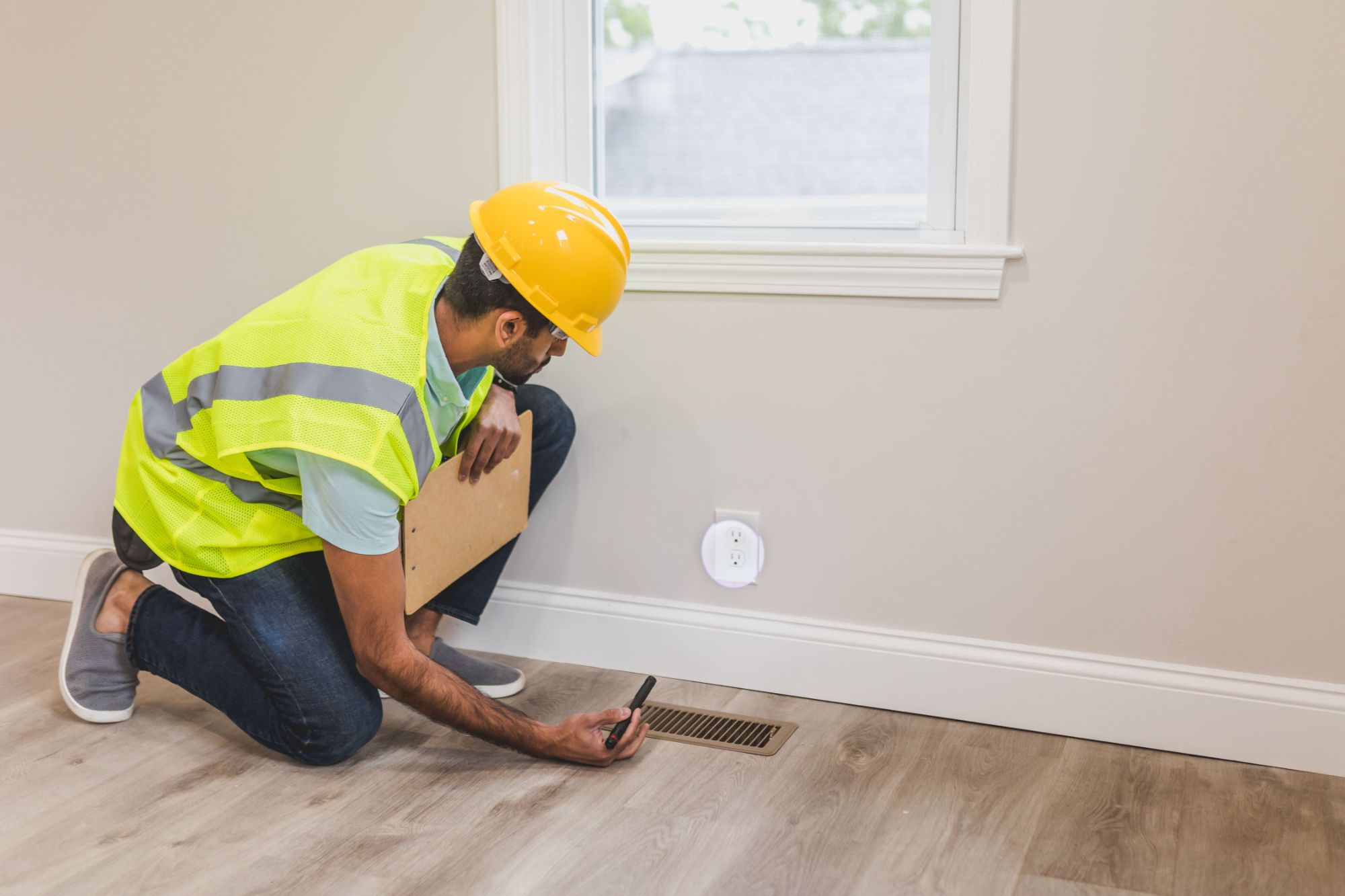
What a Radon Reading Actually Tells You
Radon is one of those inspection terms that can sound alarming simply because most people don't encounter it in everyday life.
Radon is a naturally occurring, radioactive gas created as uranium breaks down in soil and rock. Because it is colorless and odorless, you cannot identify it simply by walking through a home or looking around the property.
That is why radon is tested with specialized equipment.
During a typical Oregon inspection, a continuous radon monitor may be placed in the lowest livable level of the home for approximately 48 hours. The monitor records readings throughout the testing period and produces a report showing how radon levels changed over time.
What Number Should Buyers Pay Attention To?
The Environmental Protection Agency uses 4.0 picocuries per liter (pCi/L) as its action level.
A reading below that number does not mean there is absolutely no radon present. In fact, the EPA recognizes that there is no known completely risk-free level of exposure.
The World Health Organization recommends considering mitigation at lower levels, around 2.7 pCi/L.
Oregon Health Authority also recommends testing homes regardless of where they are located because radon levels can vary significantly from one property to another.
That last point is important.
A Low-Risk Area Does Not Mean a Zero-Risk Home
Clackamas County is classified by the EPA as a Zone 3 area, which is the lowest radon-potential category.
That is encouraging for buyers looking in communities such as Canby, Oregon City, and Wilsonville.
However, a countywide classification is based on broader averages. It cannot predict exactly what will happen inside one particular house.
Two homes on the same street can have different readings because of differences in:
- Foundation construction
- Crawlspace design
- Sump pits
- Foundation cracks
- Soil conditions
- Ventilation
- How the home sits on the property
That is why testing the individual home is more useful than simply looking at a regional risk map.
What Happens If the Radon Test Comes Back High?
A higher-than-expected radon reading does not necessarily mean the home is unsafe to purchase.
Radon mitigation is a well-established process.
A typical mitigation system uses a vent pipe and fan to draw soil gas from underneath the home's foundation and direct it outside before it enters the living space.
For buyers, the important thing is to understand the actual reading and the likely cost of mitigation rather than reacting to the word "radon" alone.
A standalone radon test may cost around $100 to $200 when added to a home inspection, while mitigation generally costs more depending on the property and system required.
That means a radon issue should usually be treated as a specific problem with a potential solution, rather than an automatic reason to abandon a purchase.
What Mold Findings Usually Mean in Oregon
Mold is another inspection finding that can sound much worse than it actually is.
Oregon's wet climate makes moisture-related issues relatively common, particularly in areas such as:
- Crawlspaces
- Attics
- Bathrooms
- Around older windows
- Roof penetrations
- Areas near plumbing
- Exterior walls
When an inspector finds mold or mildew, the first question should be:
Why is the moisture there?
That question is often more important than the mold itself.
Source vs. Symptom: The Difference Matters
Imagine an inspector finds a small amount of mold on a section of subflooring near a previous roof leak.
If the roof leak has already been repaired and the area is now dry, the issue may be relatively contained.
Now compare that with a crawlspace where moisture is still entering the home, ventilation is poor, and mold continues to spread.
Those are two very different situations.
Cleaning the visible mold without addressing an active moisture problem does not solve the underlying issue.
That is why buyers should focus on identifying the source of the moisture.
Possible causes can include:
- Roof leaks
- Plumbing leaks
- Poor drainage
- Failed vapor barriers
- Poor crawlspace ventilation
- Bathroom fans venting into an attic
- Gutters directing water toward the foundation
- Condensation
Once the source is identified, the scope of the problem becomes much easier to understand.
When Should You Consider a Mold Specialist?
A general home inspection can identify signs of moisture or possible mold, but an inspector may not always be able to determine the full scope or cause.
In that situation, a specialized mold or moisture inspection can provide additional information.
Depending on the circumstances, this could include:
- Moisture-meter readings
- Visual inspection
- Air sampling
- Surface sampling
- Identification of the moisture source
- Recommendations for remediation
Not every suspected mold issue requires extensive testing.
Sometimes the cause is obvious and the affected area is small. Other times, getting a specialist involved can prevent both the buyer and seller from making decisions based on assumptions.
How Expensive Can Mold Be?
The cost depends heavily on the size and cause of the problem.
A small, contained area may require relatively simple cleaning and repairs.
A larger problem involving an ongoing moisture source can become significantly more expensive, especially if materials need to be removed and replaced.
The important thing is not to assume the worst before knowing the scope.
A small amount of surface mold caused by an old, repaired leak is a very different situation from widespread growth connected to an ongoing water problem.
That's why documentation matters.
The more clearly you understand the problem, the easier it becomes to determine what should happen next.
How Inspection Findings Affect Negotiations
This is where an inspection report becomes more than just a list of problems.
It can also become an important part of the conversation between the buyer and seller.
In Oregon, buyers commonly have an inspection contingency period that gives them time to investigate the property and decide how they want to proceed.
If a radon or mold issue is discovered, the buyer may have several possible options depending on the terms of the purchase agreement and the circumstances of the transaction.
These can include:
- Asking the seller to complete repairs.
- Requesting a credit toward the cost of the work.
- Negotiating a price adjustment.
- Requesting additional inspections.
- Proceeding without requesting repairs.
- Terminating the transaction if allowed under the applicable contingency.
The right choice depends on the actual severity of the finding and the terms of the contract.
Documentation Makes a Stronger Negotiation
A vague request is usually harder to negotiate than a documented one.
For example, there is a big difference between saying:
"The inspection found radon."
and saying:
"The radon test recorded a specific reading above the EPA action level, and a mitigation company provided an estimate for installation."
The second situation gives both sides something concrete to discuss.
The same is true for mold.
Instead of simply saying there is mold, it is much more useful to determine:
- Where is it?
- What caused it?
- Is the moisture source still active?
- How extensive is the affected area?
- Does a specialist recommend remediation?
- What is the estimated cost?
Those answers can turn an emotional inspection issue into a practical conversation.
The Current Canby Market Can Affect Negotiations
Market conditions can influence how buyers and sellers approach inspection negotiations.
According to the market information referenced in this article, Canby homes have been spending more time on the market compared with the faster pace seen during the strongest seller-driven periods.
Recently sold homes have carried a median list price around $605,000 and typically spent about 57 days on the market before going under contract, according to the Redfin data referenced here.
Movoto's July 2026 figures put Canby's median sale price at approximately $662,450, compared with $677,900 the previous year, with homes averaging about 55 days on market.
The takeaway is not that every Canby seller will agree to every repair request.
It is that today's buyers may have more room to carefully evaluate inspection findings than they would in a market where homes were routinely going pending within a few days.
A reasonable, well-documented request can be easier to discuss when the seller understands that the buyer is not simply looking for an excuse to renegotiate.
Don't Let One Inspection Word Scare You
One of the biggest mistakes buyers can make is reading an inspection report like a list of reasons not to buy.
Almost every home has something.
Older homes may have outdated systems. Newer homes can still have construction or moisture concerns. Homes with crawlspaces may have ventilation or moisture findings. Homes in rainy climates may have signs of previous water intrusion.
The purpose of an inspection is not to find a perfect house.
The purpose is to help you understand the house you're actually buying.
That distinction can make the inspection process much less intimidating.
Questions to Ask When You See Radon or Mold
If either issue appears in your inspection report, start with the facts.
For radon, ask:
- What was the exact reading?
- How long was the test conducted?
- Where was the monitor placed?
- Is the reading above the EPA action level?
- Should another test be performed?
- What would mitigation likely cost?
For mold or moisture, ask:
- Where was the mold found?
- Is there an active moisture source?
- What caused the moisture?
- Has the source already been repaired?
- How extensive is the affected area?
- Should a specialist evaluate it?
- What remediation is recommended?
These questions help you move from "This sounds scary" to "Now I understand what I'm dealing with."
What This Means for You
If you're under contract on a home in Canby, Oregon City, Wilsonville, or anywhere throughout South Clackamas County, don't panic when an inspection report contains unfamiliar terms.
Start with the actual numbers and the actual evidence.
For radon, ask for the specific pCi/L reading rather than relying on a simple pass-or-fail interpretation.
For mold, find out whether there is an active moisture source and whether the affected area needs additional evaluation.
Most importantly, give yourself enough time during the inspection contingency period to investigate anything that could materially affect your decision.
If a specialist is needed, it is much better to schedule that inspection early than to discover near the end of your contingency period that you need more information.
Final Thoughts
Buying a home is a major decision, and inspection surprises are part of the process.
Radon, mold, moisture, and other findings can certainly deserve attention, but they do not automatically mean you have found a bad home.
The goal is to understand what was discovered, determine how serious it is, estimate the cost of addressing it, and decide whether the home still makes sense for you.
A good inspection gives you information.
A good negotiation uses that information wisely.
And a good real estate professional can help you understand what questions to ask, when to bring in a specialist, and how to approach the conversation with the seller.
Jennifer Schurter serves buyers, sellers, and investors throughout South Clackamas County and the North Willamette Valley — including Canby, Oregon City, Wilsonville, Aurora, Hubbard, Molalla, Woodburn, Newberg, Sherwood, Tualatin, West Linn, Lake Oswego, and the greater Portland metro south. Her goal is simple: to be the most knowledgeable, most responsive, and most genuinely helpful real estate agent in the area — every single time. Jennifer is a licensed Oregon real estate broker with Real Broker LLC.
Have questions or want to get started? Connect with Jennifer here. She'd love to hear from you.
Categories
Recent Posts










“I see my job as a Real Estate Advisor is to educate consumers about the realities of the Real Estate market of today. If you're ready to learn more about what it could mean for you to buy, sell, or invest in Real Estate, let's connect!"