
Home Features Oregon Buyers Are Prioritizing in 2026 (Office, Yard, Kitchen, and More)
Home Features Oregon Buyers Are Prioritizing in 2026 (Office, Yard, Kitchen, and More)
Oregon buyers in 2026 are not shopping the way they did five years ago. The wishlist has shifted — and if you're buying a home this year, understanding what actually matters to you (versus what sounds good on paper) can sharpen every offer you make.
Here's what's driving purchase decisions across Oregon right now, and how to think about it as you search.
The Home Office Isn't Optional Anymore
This one has legs. Remote and hybrid work arrangements are no longer a temporary workaround — they're a baseline expectation for a large share of Oregon's workforce. And that has permanently changed how buyers evaluate floor plans.
What buyers are specifically looking for isn't just "an extra bedroom." It's a room with a door that closes, ideally away from the main living areas. Redfin's 2026 remote work and relocation analysis found that buyers — particularly those relocating from denser metros — are specifically searching for homes that can accommodate two quiet work zones. That means a second office-capable room has become a real differentiator, not a nice-to-have.
In Oregon's South Clackamas County and North Willamette Valley, this plays out clearly. Homes with a dedicated office, a finished basement, or a bonus room that works as a true workspace command real buyer attention. A fourth bedroom that functions as an office shows up in offer terms in ways it simply didn't in 2019. If a home has a flex room that doesn't appear as "office" in the listing, that's often worth asking about — the right space matters more than what it's labeled.
Outdoor Space: Oregon Buyers Take This Seriously
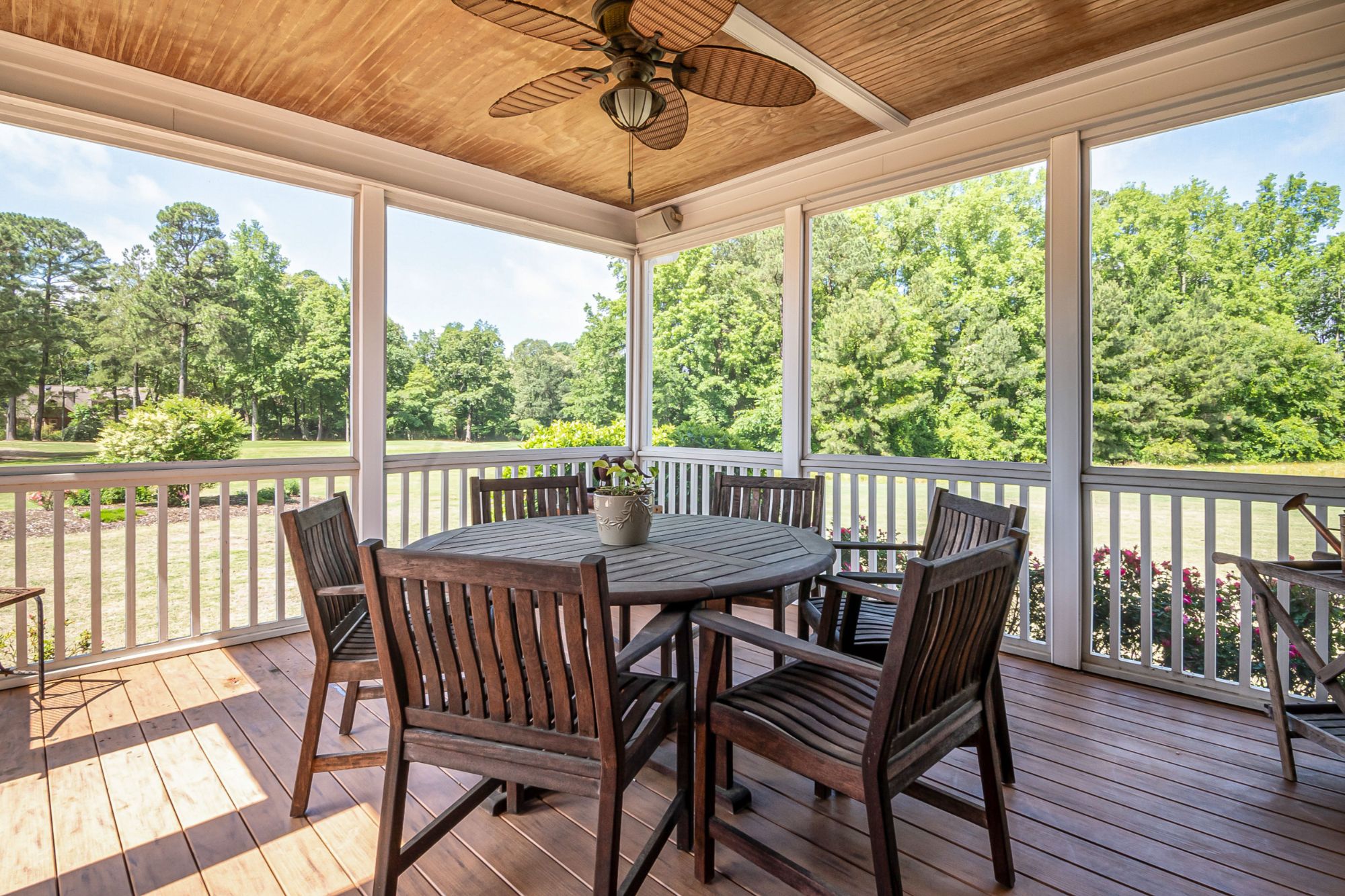
Oregon's connection to the outdoors isn't a marketing angle — it's a genuine lifestyle factor that shows up consistently in buyer behavior. The AIA's Q2 2026 Home Design Trends Survey found that outdoor living spaces and blended indoor/outdoor design continue to top the list of exterior features buyers want most. Covered patios, decks with real usable square footage, fenced yards, and space for a garden or gear storage all register as meaningful amenities.
This is especially pronounced in Oregon because the indoor/outdoor flow matters year-round. A covered patio or pergola extends the usable season significantly. A yard with space for raised garden beds or a fire pit area isn't a luxury — it's the way a lot of Oregon buyers actually live. When a home has that flow from kitchen to outdoor space done well, buyers feel it immediately.
What to look for: covered or screened outdoor spaces that extend your usable season, yards with practical size and good sun exposure, and storage for equipment — bikes, kayaks, garden tools. For buyers coming from apartments or townhomes in denser areas, this is often the feature that makes the lifestyle shift feel concrete.
Kitchens: Function Over Flash
The kitchen is still the room that makes or breaks a home visit for most buyers. But the ask has evolved. The 2026 AIA Home Design Trends Survey noted strong demand for kitchen and bath remodels, which tracks with what buyers are telling agents: they want kitchens that actually work, not just kitchens that photograph well.
That means layout matters as much as finishes. Island space with room to work, adequate counter area, modern appliances that function reliably, and storage that makes sense for how people actually cook. Buyers are less impressed by a dramatic black-and-white remodel with poor traffic flow than by an older kitchen with a well-thought-out layout and updated appliances.
In Oregon, buyers also pay attention to how the kitchen connects to the rest of the home. An open-concept kitchen that flows toward an outdoor space, or one that looks into a family room rather than a closed-off hallway, consistently performs better in buyer walk-throughs. If you're shopping and you find a home with a functional kitchen that hasn't been Instagrammed to death, that's often a competitive advantage — it appeals to fewer buyers, which means less competition.
Energy Efficiency and Operating Costs
This has moved from "bonus" to "expectation" for a meaningful share of Oregon buyers. The NAR 2026 Generational Trends Report identified heating and cooling costs as a top-of-mind concern for buyers across generations — and in Oregon, where utility rates have risen significantly over the past few years, that's not abstract. It affects your monthly payment math.
Oregon's 2026 residential building code now requires heat pumps in new construction, which means newer homes will increasingly come with built-in efficiency. But for existing homes, buyers are actively asking about insulation quality, HVAC age, window efficiency, and whether solar is installed or whether the roof can support it. Homes with solar already in place can qualify for Oregon's property tax exemption under ORS §307.175 — the added value doesn't increase your assessed tax. That's a legitimate financial benefit buyers should factor in.
Practically: when you're evaluating homes, get the utility cost history. It's a reasonable ask, and a well-insulated 1,800 square-foot home with a heat pump can run $80–$120/month in winter versus $300+ for a poorly insulated home with an aging oil furnace. Over a 30-year mortgage, that gap is significant.
Storage, Layout, and the "Does This Actually Work?" Test
One of the quieter but consistent themes in 2026 buyer feedback is that square footage alone doesn't sell homes. Buyers have gotten more sophisticated about usability. A 2,400-square-foot home with awkward layout, minimal storage, and no mudroom functionality can feel smaller than a well-designed 1,800-square-foot home that flows logically.
The AIA's 2026 data reflects this: overall square footage in newly designed homes has been trending smaller, while buyers prioritize smarter use of space. The question has shifted from "how many rooms?" to "does this work for how I actually live?"
Storage is a specific ask that comes up repeatedly — real closet space, garage storage, utility areas, mudroom-style entry points that absorb Oregon life (rain gear, boots, sports equipment). Homes that have thought through storage score consistently well with buyers who've lived without it.
What the Oregon Market Looks Like Right Now
The context matters here. FRED data shows Oregon had approximately 17,324 active listings in June 2026, up from 11,838 in February — inventory has grown meaningfully through the spring and into summer. The statewide median listing price reached $565,000 in June 2026, up from $534,900 in January.
That expanding inventory is a genuine advantage for buyers on feature prioritization. With more options on the table than at any point in the last several years, buyers don't have to compromise as deeply on must-have features. You have more room to hold out for the home office, the functional kitchen, the covered outdoor space — rather than taking the first thing that pencils out.
That said, well-priced homes with the right combination of features are still moving. The gap between a home that has what buyers actually want in 2026 and one that doesn't is showing up in days-on-market data. Buyers who know what they're looking for and can articulate it clearly to their agent are in a much stronger position than those shopping by price alone.
What This Means for You
If you're buying a home in Oregon this year, a few things are worth getting clear on before you start scheduling showings:
Rank your non-negotiables. Home office capability, outdoor space, kitchen function, and energy efficiency all sound good — but knowing which two or three actually matter most to how you live will prevent you from getting distracted by features that photograph well but don't serve you day-to-day.
Think about the five-year version of your life. Will you still be remote? Do you want to grow a garden? Do you want to have space for a workshop or gear storage? Buying for your life now and your likely life for the next several years is different from buying based on a checklist.
Don't ignore operating costs. In a $565,000 home with a 6.5% mortgage, your base payment is already substantial. A $200/month difference in utility costs is $72,000 over 30 years. Ask for utility history. It's not an unreasonable request, and sellers who've maintained their home well usually have it.
Use the inventory to your advantage. Oregon has more active listings right now than it has had in years. That means you have leverage to be selective — to hold out for the features that actually matter, rather than settling because options felt scarce.
Jennifer Schurter serves buyers, sellers, and investors throughout South Clackamas County and the North Willamette Valley — including Canby, Oregon City, Wilsonville, Aurora, Hubbard, Molalla, Woodburn, Newberg, Sherwood, Tualatin, West Linn, Lake Oswego, and the greater Portland metro south. Her goal is simple: to be the most knowledgeable, most responsive, and most genuinely helpful real estate agent in the area — every single time. Jennifer is a licensed Oregon real estate broker with Real Broker LLC.
Have questions or want to get started? Connect with Jennifer here: https://jenniferschurterhomes.
Categories
Recent Posts








“I see my job as a Real Estate Advisor is to educate consumers about the realities of the Real Estate market of today. If you're ready to learn more about what it could mean for you to buy, sell, or invest in Real Estate, let's connect!"