
Buying Acreage in the North Willamette Valley: What to Know
Things to Know Before Buying an Acreage Property in the North Willamette Valley
Acreage property in the North Willamette Valley is genuinely appealing — real space, quiet roads, the kind of lifestyle you can't replicate inside a subdivision. But buying rural land here is a different process than buying a house in town, and the gap between a smooth transaction and a complicated one almost always comes down to how much you knew before you made an offer.
Here's what experienced buyers focus on before signing anything.
Zoning Is the First Thing to Understand — and the Most Commonly Overlooked
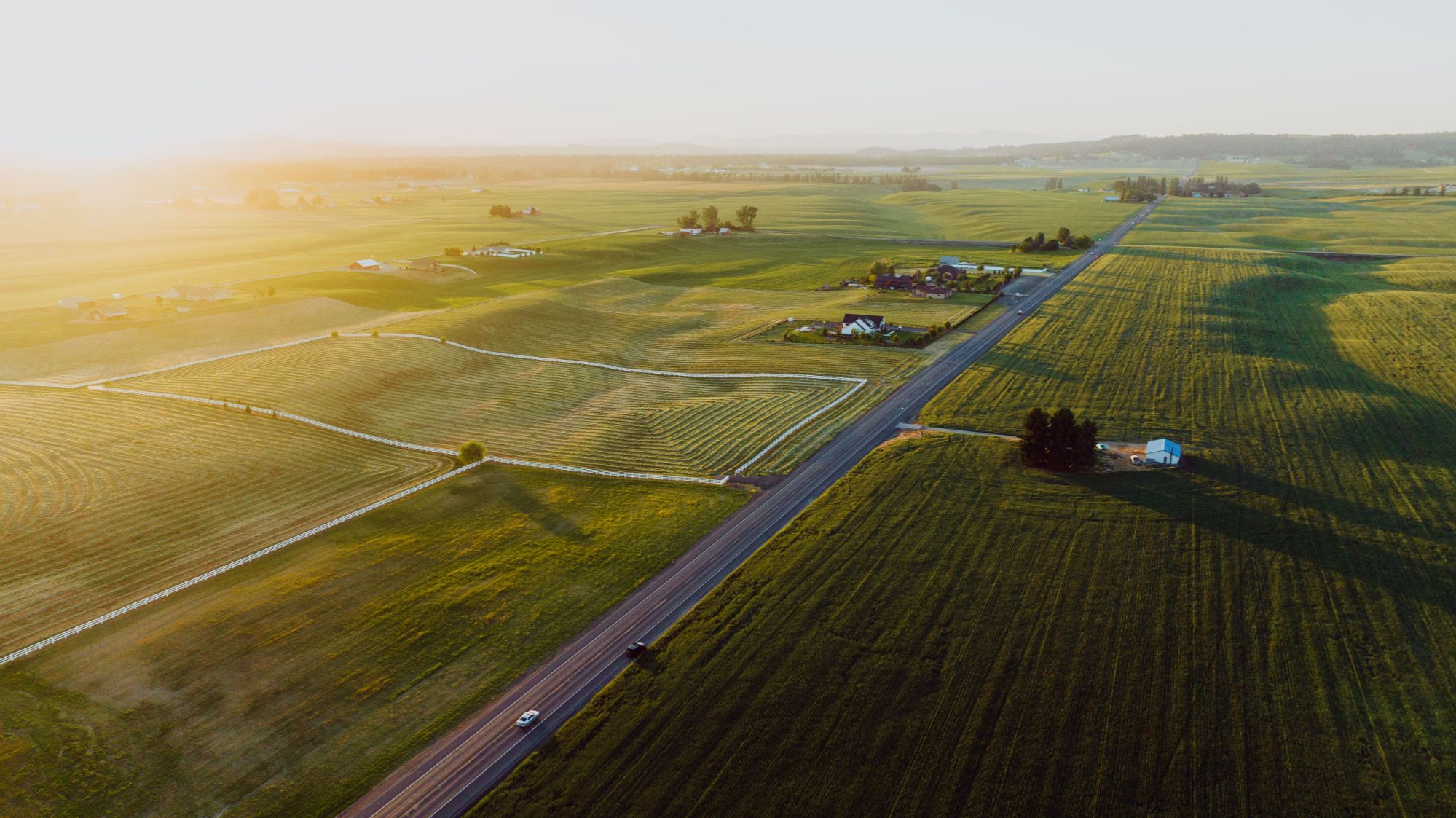
Most rural land in the North Willamette Valley, spanning parts of Clackamas and Marion counties, sits in an Exclusive Farm Use (EFU) zone. EFU zoning under Oregon's land use planning system (ORS Chapter 215) is designed to protect agricultural land, and it puts real limits on what you can do with it.
What that means practically: you may not be allowed to build a home on EFU-zoned land just because the lot looks like a great building site. Oregon law allows a single-family dwelling on EFU land in certain circumstances — if you're an active farmer earning income from the land, or if the parcel qualifies under a specific template or nonfarm dwelling designation. But those qualifications have requirements, and buyers regularly find out after the fact that the acreage they loved isn't buildable the way they expected.
Before writing an offer, call the county planning department and ask for the parcel's specific zone, the allowed uses list, and whether a dwelling is permitted outright or conditionally. In Clackamas County, that's the County Planning and Zoning Division. Marion County has its own process. Don't rely on MLS fields — verify with the county's written confirmation during your inspection period. Rural zoning is specific to each parcel; what's true for a neighboring property doesn't automatically apply to yours.
Well, Septic, and Water: The Infrastructure That Makes or Breaks a Rural Purchase
Most acreage properties in this area run on private well water and a septic system. That's not a drawback — but it does mean the due diligence process looks different from a city purchase, and the costs go beyond a standard home inspection.
Well testing is non-negotiable. Oregon's Domestic Well Testing Act (ORS 448.271) requires sellers of residential properties with private wells to disclose testing results for arsenic, nitrates, and total coliform. Under House Bill 3526, passed in 2025, buyers gained a cause of action if sellers fail to meet those requirements. That said, you should still hire an independent inspector and test for additional contaminants relevant to agricultural zones — nitrate runoff from nearby farm fields is a real consideration in this area.
Septic systems require their own evaluation. A licensed Oregon septic inspection runs roughly $300–$500. You want to know the system's age, capacity, last service date, and condition of the tank and drainfield. Oregon's DEQ Onsite Wastewater rules, updated effective January 1, 2026, tightened inspector licensing requirements — NAWT certification and Site Design Specialist credentials are now required. An outdated or undersized system can mean a replacement bill of $20,000–$60,000 or more depending on soil conditions.
Clackamas County's rule of thumb: plan for roughly one acre minimum with public water, two acres minimum with a well, to have adequate space for a drainfield and repair area. That reserve area must meet all required setbacks from structures, property lines, and the well itself.
Soil testing and perc tests matter if you're buying raw land or a property with a questionable existing system. A percolation test evaluates how quickly soil absorbs water, determining what type of septic system can be installed. Do it during wet season — soil behaves differently in February than it does in August, and county evaluations typically require saturated conditions.
Access, Easements, and Roads
Rural properties sometimes sit at the end of a shared private road, accessed via a recorded easement across a neighbor's parcel. That's common and manageable — as long as it's documented.
Ask for the recorded easement document during your inspection. Verbal assurances don't hold up. If there's a formal road maintenance agreement, get it. If there isn't, clarify who handles grading, gravel, and culvert maintenance and how costs are shared. Drive the access road in wet conditions if you can — what looks fine in summer can be a different situation in February. If you're planning to bring in construction equipment or agricultural machinery, also check bridge and culvert weight limits, which are sometimes recorded in county files and sometimes not documented at all.
What Lenders Need for Acreage Transactions
Rural and agricultural properties fall into a different lending category, and not every mortgage product applies. Lenders doing rural transactions in this area typically approach them differently: the appraisal accounts for residential improvements separately from agricultural land value, and if the acreage is primarily agricultural, standard residential loan limits may apply differently.
Products worth exploring with a rural-experienced lender include USDA Rural Development loans (which have income and location requirements), Farm Credit options, and portfolio products designed for mixed-use rural parcels. If you're planning to build on raw land, construction-to-permanent financing has its own underwriting requirements — confirmed well and septic approval, soil tests, and verified access are often required before a lender will fund. Connect with a lender experienced in rural Oregon transactions before going under contract. Rural closings take longer, and surprises are easier to manage when you've found them early.
What the Current Market Looks Like
Acreage properties in the North Willamette Valley — across the rural corridors around Canby, Aurora, Hubbard, and Woodburn — vary significantly based on parcel size, zoning, and what's already on the land.
According to Redfin, the Canby market saw a median sale price of $545,950 in March 2026, up 7.3% year-over-year, with homes averaging 22 days on market. That reflects the residential market broadly; raw and agricultural parcels move differently. Current listing data shows an average of roughly $105,000 per acre for residential-zoned land near Canby. Individual rural parcels in the corridor are currently ranging from approximately $299,900 for smaller lots to well over $1 million for larger improved properties. A 4.91-acre parcel near Aurora has been listed at $385,000; a 2-acre parcel near Hubbard at $399,900 — reflecting demand for smaller hobby-farm or country-residential properties.
Statewide, Oregon's active inventory was running about 30.6% above long-term averages as of mid-2026, with 32.8% of listings seeing price reductions, according to HomeStats data. The broader inventory picture gives buyers more options than recent years — but rural properties with permitted dwellings, good infrastructure, and buildable land still move at their own pace.
What This Means for You
If you're considering acreage in the North Willamette Valley, the due diligence list is longer than a standard residential purchase — and that's by design, because the stakes are different.
Before you offer: Verify zoning and allowed uses with the county directly. Confirm whether a dwelling is permitted, conditional, or prohibited on that specific parcel. An existing home doesn't automatically mean you can add structures or expand without county approval.
During inspection: Budget for a well inspection and water quality test, a septic evaluation, and a soil assessment if construction or system replacement is on the table. Rural inspection budgets in this area typically run $1,100–$1,700 depending on scope.
On access: Get the recorded easement document. Walk the property boundary. Understand the road in wet weather before you close.
On financing: Work with a lender experienced in rural Oregon transactions before going under contract. Know your loan product, your appraisal timeline, and the additional underwriting requirements for land.
Acreage in this part of Oregon offers something real — space, land, a different kind of daily life. The buyers who get there with the least friction are usually the ones who understood the process before the offer, not after.
Jennifer Schurter serves buyers, sellers, and investors throughout South Clackamas County and the North Willamette Valley — including Canby, Oregon City, Wilsonville, Aurora, Hubbard, Molalla, Woodburn, Newberg, Sherwood, Tualatin, West Linn, Lake Oswego, and the greater Portland metro south. Her goal is simple: to be the most knowledgeable, most responsive, and most genuinely helpful real estate agent in the area — every single time. Jennifer is a licensed Oregon real estate broker with Real Broker LLC.
Ready to talk through your next move? Schedule a time with Jennifer here. No pressure, no pitch — just a real conversation.
Categories
Recent Posts






“I see my job as a Real Estate Advisor is to educate consumers about the realities of the Real Estate market of today. If you're ready to learn more about what it could mean for you to buy, sell, or invest in Real Estate, let's connect!"