
What Is an As-Is Sale in Oregon and Is It Right for You?

What Is an "As-Is" Sale in Oregon and Is It Right for You?
Selling your home as-is means you're putting it on the market in its current condition — repairs included, problems included — and telling buyers upfront: what you see is what you get. It sounds simple. But in Oregon, "as-is" carries specific legal weight, and it doesn't mean what a lot of sellers assume it means.
The short version: you can sell as-is and accept no obligation to make repairs. You cannot, however, skip disclosure. Oregon law still requires a full Seller Property Disclosure Statement — and failing to complete it honestly can expose you to lawsuits even after the sale closes.
Here's what an as-is sale actually looks like in Oregon, what it costs you (and saves you), and how to decide whether it's the right call for your situation.
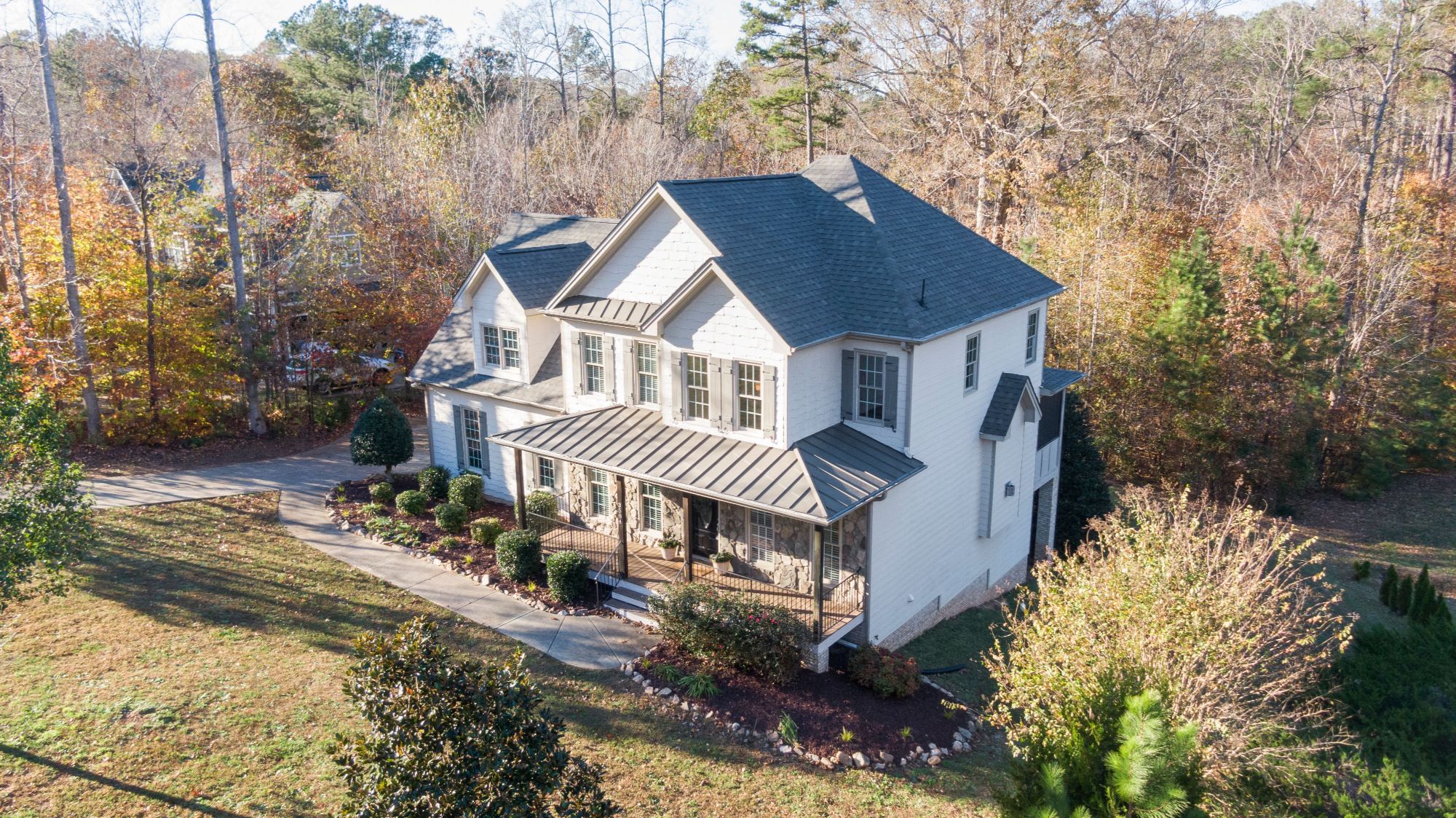
What "As-Is" Actually Means Under Oregon Law
When a buyer and seller agree to an as-is sale, the seller is communicating that they won't be making any repairs, regardless of what an inspection turns up. The buyer accepts that premise and moves forward knowing they're taking the property in its current state.
What as-is does NOT mean is that sellers get to stay quiet about known defects. Under ORS 105.464 and 105.465, Oregon sellers must provide a Seller's Property Disclosure Statement to any buyer making a written offer — whether the sale is traditional or as-is. This standardized OREF form covers title issues, easements, all major systems (water, sewer, electrical, HVAC), structural condition, roof, foundation, unpermitted additions, HOA status, and more.
You answer based on your actual knowledge. If you know the roof has been leaking for two years, you disclose it. If you genuinely don't know whether there's ever been a foundation issue, you can mark "Unknown" — but only for items where that's honestly true. The final question on the form — whether there are other material defects affecting the property or its value — requires a yes or no. No "Unknown" option. If you answer yes, you explain. A material defect is anything that could significantly affect a buyer's decision or the home's value.
After you deliver the disclosure statement, the buyer has five business days to revoke their written offer. That's a buyer protection baked into Oregon law — it applies even in as-is transactions. This window continues until formally terminated or the buyer waives it. It does not expire at acceptance.
Why Sellers Choose an As-Is Sale
The most common reasons sellers go the as-is route come down to one of four situations: the property genuinely needs significant work, the seller doesn't have the funds or bandwidth to do repairs before listing, there's a tight timeline, or the estate/inherited property situation makes negotiating repairs impractical.
Deferred maintenance is the big one. If the home has an aging roof, outdated systems, foundation concerns, or cosmetic damage throughout, completing the repairs needed to get a traditional buyer through underwriting can easily cost tens of thousands of dollars — and several weeks. For sellers in that situation, as-is listing gives them an alternative path.
Timeline is another major driver. A traditional sale typically involves inspection, a repair negotiation period, re-inspection, and then closing — all of which can stretch timelines considerably. As-is sales, especially when targeting cash buyers, can close in as few as two to three weeks. For sellers managing an estate, relocating for work, or facing a life transition, that speed matters.
Estate sales often default to as-is simply because the heirs don't know the full history of the property, have never lived there, and aren't in a position to manage repairs remotely. An as-is listing signals that reality clearly from the start, rather than negotiating around unknowns after inspection.
What As-Is Costs You: The Price Tradeoff
There's a real financial tradeoff, and sellers should go in clear-eyed. Buyers making offers on as-is properties — particularly cash investors — expect to price in the risk and cost of unknown repairs. That discount varies significantly based on the property's condition and what the issues are.
According to a 2025 analysis, approximately 31% of Oregon home sales were cash transactions, up year-over-year. That's a meaningful buyer pool. But cash investors — the "we buy houses" type — typically price their offers to hit a return after estimated repair costs, buying and holding costs, and profit margin. Offers from this segment often land 15–35% below market value depending on the property's condition and location. More moderate as-is discounts in better-condition properties can be in the 5–10% range when listed on the MLS and marketed to a broader buyer pool.
The relevant question isn't "what's the as-is price?" in isolation — it's whether the net proceeds after an as-is sale compare favorably to the net proceeds after repairing, carrying the home another 30–60 days, and closing a traditional sale. Repair costs, holding costs (mortgage, taxes, insurance), and your personal timeline all factor in. There's no universal right answer.
Oregon's statewide median sale price was $518,159 in May 2026, down 0.74% year-over-year, with homes averaging 42 days on market, according to Redfin data. That broader context matters: in a slightly softer market, the spread between a well-prepped traditional listing and an as-is sale price may be larger than sellers expect. In tighter submarkets — Canby, for instance, saw a median of $546K in March 2026 with homes averaging just 22 days on market — the gap may be narrower.
Buyers Still Have Inspection Rights
One thing sellers sometimes misunderstand: the buyer still has the right to inspect the home. The standard 10-day inspection contingency in OREF purchase agreements still applies. The buyer can hire inspectors, conduct full due diligence, and walk away if what they find changes the picture — with their earnest money intact.
What as-is changes is what happens after. In a traditional sale, inspection findings open a repair negotiation — fix the roof, credit for HVAC, price reduction. In an as-is sale, the seller has made clear upfront they won't be doing any of that. The buyer accepts or walks.
This is exactly why the disclosure statement matters so much in an as-is context. If a buyer discovers during inspection that you knew about a material defect — a leaking basement, a failing septic, mold — and you failed to disclose it, the as-is label won't protect you. Full, honest disclosure does.
When As-Is Makes Sense — and When It Doesn't
As-is is often the right move when: the property has significant deferred maintenance that would be expensive to address; the seller needs to close quickly; the property is an estate and heirs have limited knowledge of its condition; or the seller simply wants the certainty of a no-renegotiation transaction.
As-is tends to leave more money on the table when: the property is in reasonable condition and the repairs needed are relatively modest; the local market is active enough that prepping the home would attract multiple competing offers; or the seller has the time and budget to present the home well.
The classic example: a cosmetic fixer — dated kitchen, worn carpet, older paint — might technically qualify for as-is. But spending $8,000 on fresh paint, carpet, and staging could attract financed buyers who push the price well above the as-is floor. For a property with a foundation issue, an aging oil tank, or a roof that won't pass conventional underwriting, as-is is usually the more realistic path.
What This Means for You
If you're considering an as-is sale in Oregon, the most important first step is getting an honest assessment of what you're working with. That means either a pre-listing inspection (typically $350–$550 for most Oregon homes) or a conversation with an experienced local agent who can walk through the property and give you a realistic read on condition, probable buyer pool, and net proceeds across both paths.
The disclosure requirements are non-negotiable. Work through the OREF Seller Property Disclosure Statement thoroughly and honestly — your agent will walk you through it. Answer based on your actual knowledge, and don't guess at answers. If you're inheriting a property and genuinely don't know its history, that honesty belongs in the form.
Finally, understand who your buyers are likely to be. An as-is listing on the MLS can attract financed buyers willing to take on some work — especially in Oregon's active markets — not just cash investors. How you price and market the listing affects which buyers show up.
Jennifer Schurter serves buyers, sellers, and investors throughout South Clackamas County and the North Willamette Valley — including Canby, Oregon City, Wilsonville, Aurora, Hubbard, Molalla, Woodburn, Newberg, Sherwood, Tualatin, West Linn, Lake Oswego, and the greater Portland metro south. Her goal is simple: to be the most knowledgeable, most responsive, and most genuinely helpful real estate agent in the area — every single time. Jennifer is a licensed Oregon real estate broker with Real Broker LLC.
Ready to talk through your next move? Schedule a time with Jennifer here: https://calendly.com/jen-475/
Categories
Recent Posts










“I see my job as a Real Estate Advisor is to educate consumers about the realities of the Real Estate market of today. If you're ready to learn more about what it could mean for you to buy, sell, or invest in Real Estate, let's connect!"